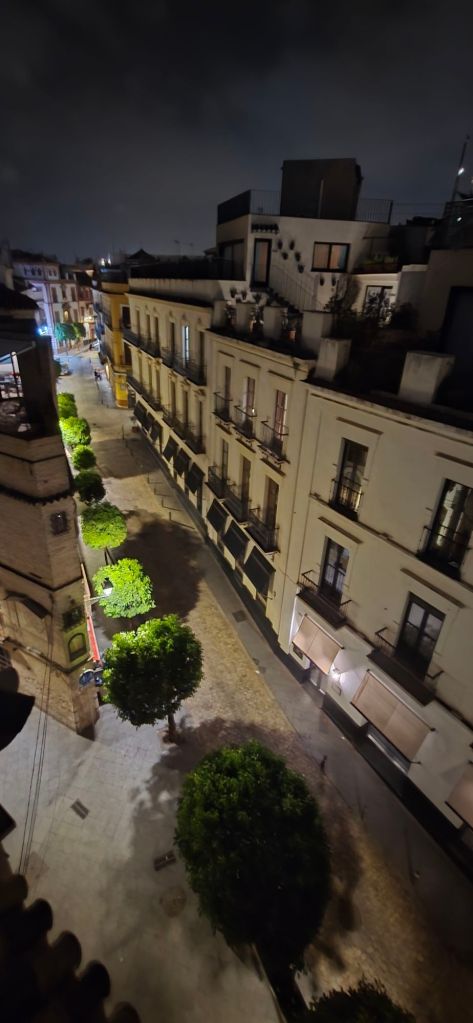
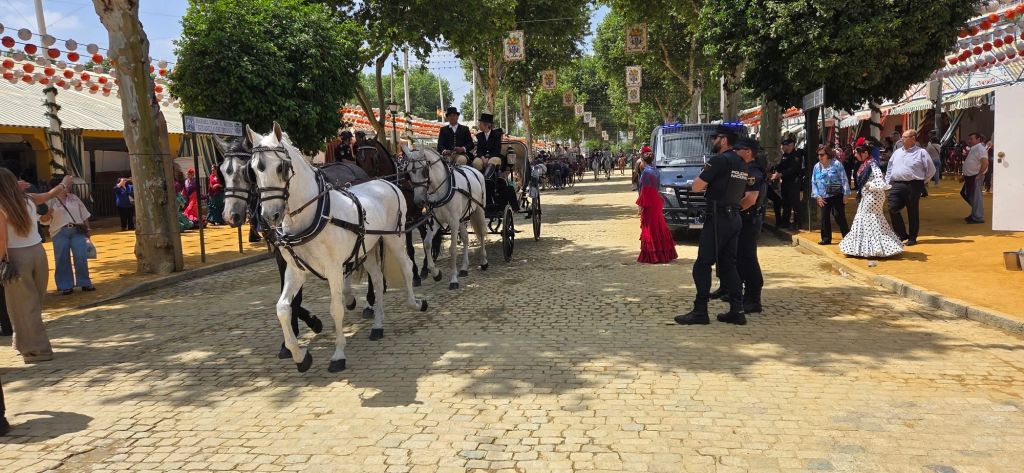
Stopped in Seville to visit friends, participate in the yearly April Feria and watch our first bull fight.
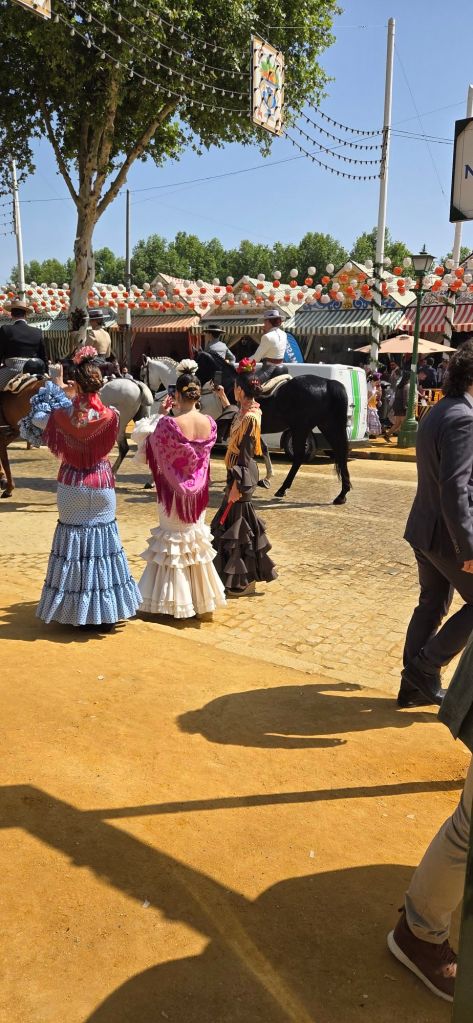
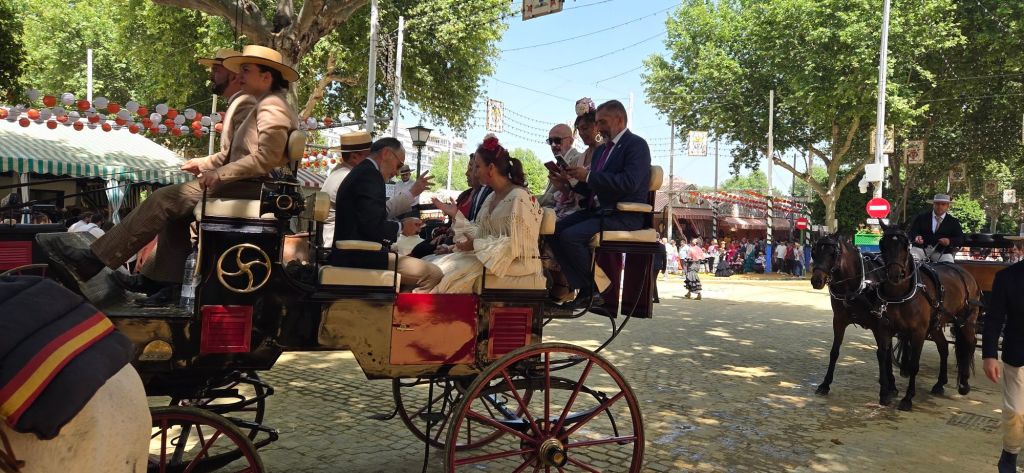
We enjoyed all the food and traditions at the Feria: the horse-drawn carriages, people young and old dressed in traditional clothes was captivating and inspiring to see traditions embraced and shared.
We lunched at our friend’s family caseta, a new experience of Andalucian hospitality. It was an amazing time eating, drinking and sharing in their traditions.
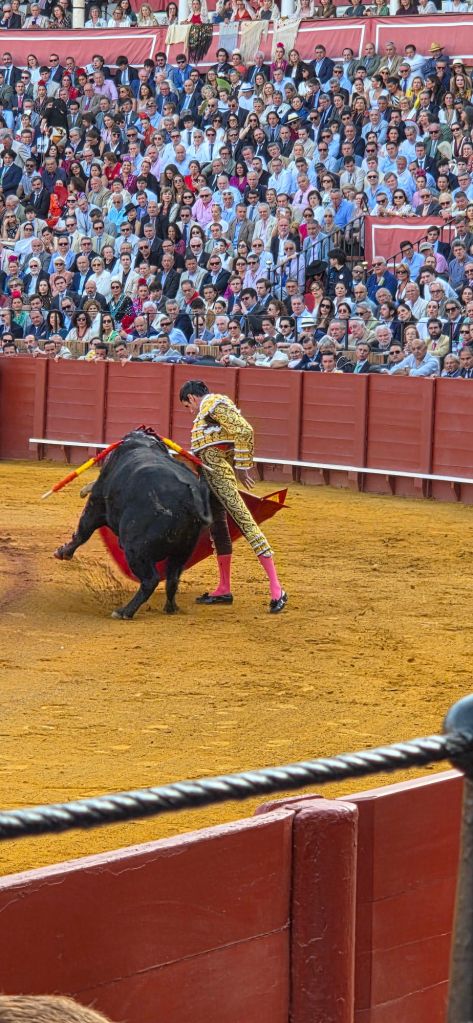
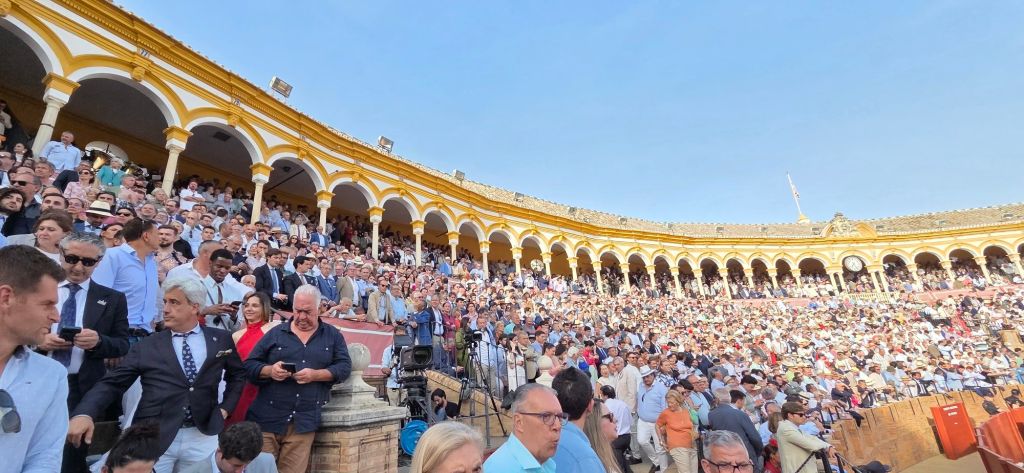
The bull fight was a highlight of this trip as neither of us had ever seen anything like this before. Suffice to say, we will never repeat the experience, it was a mix of surprise, fear, and appreciation of the event. We left realizing that we had a special opportunity to participate in a cultural event that is central to the culture and traditions of Andalusia.
Seville old townHorses at the FeriaTraditional dressGoing to the FeriaTorero in actionPacked bullring
Quick stop in Copenhagen, moving around the city by foot, taxis and trains. Be prepared for higher prices than many other european cities.
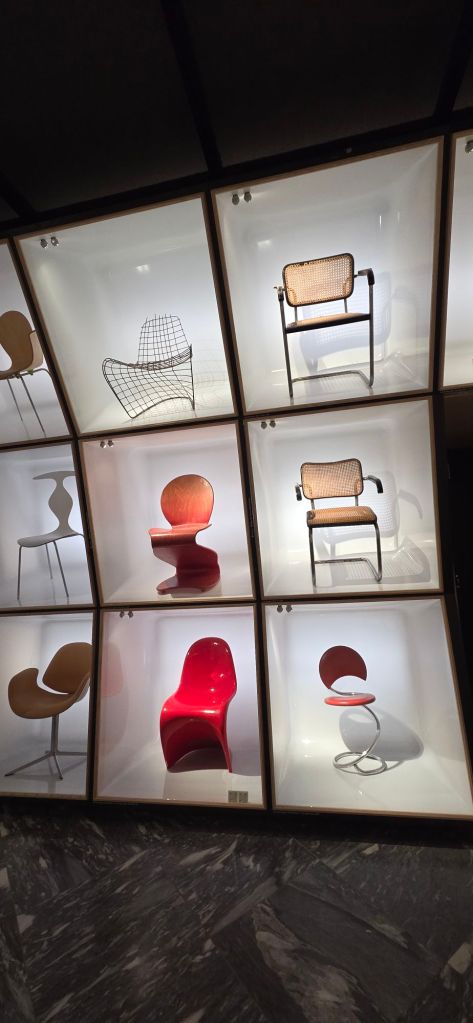
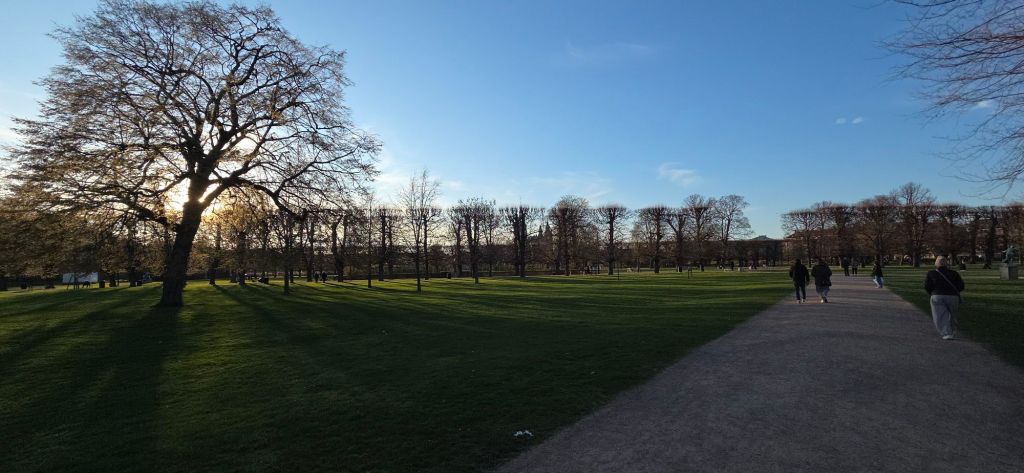
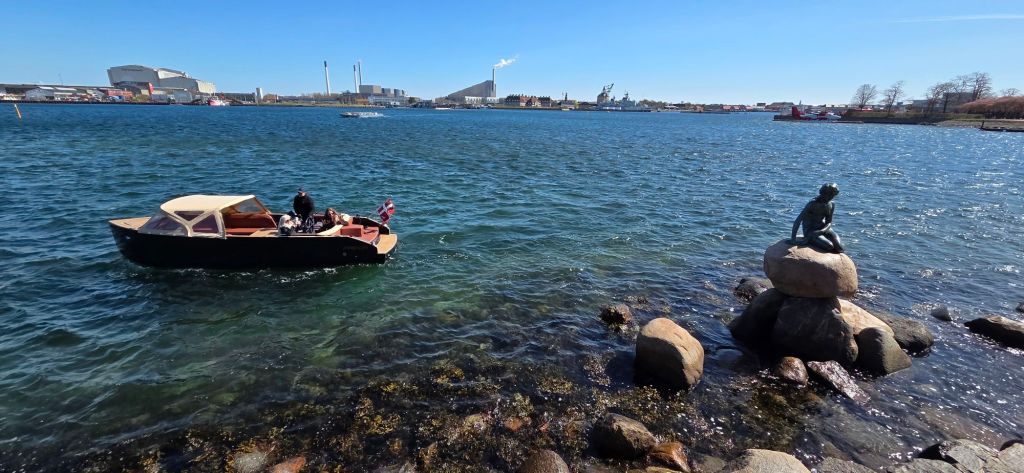
We stayed in the Oterbro neighborhood and spent a few days exploring the parks, the cherry blossoms and Japanese food festival, the storybook inspired Little Mermaid statue, and the National Design Museum.
We boarded the train to travel across the iconic Øresund Bridge to Malmo, Sweden. Alighting from the train you will need to hop on a dedicated bus into the city center.
Transportation in Copenhagen is efficient and orderly, with dedicated bike lanes used extensively, both day and night. It felt safe and easy to walk around.
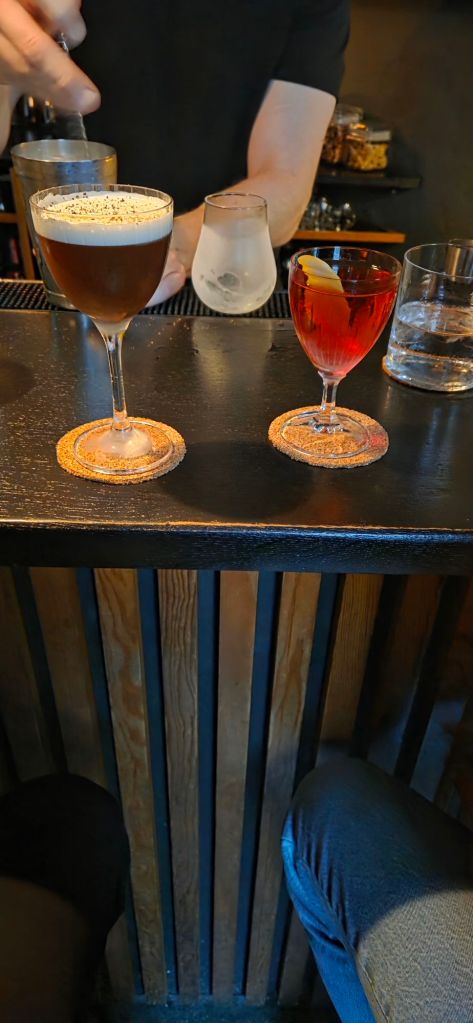
One of our most memorable moments on this visit was our cocktail bar crawl in Copenhagen. The “Duck and Cover” stood out most because of their attention to details, and providing a written explanation of each of their recipes. The bartenders were informed and friendly. We had a great time.
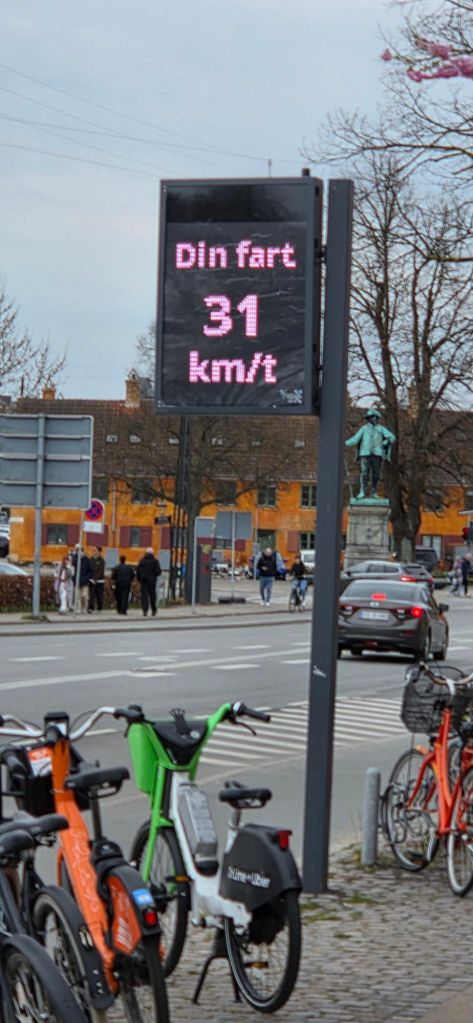
Duck & Cover BarDesign museumYour speed, Danishsunset at the parkMermaid statue by the bay
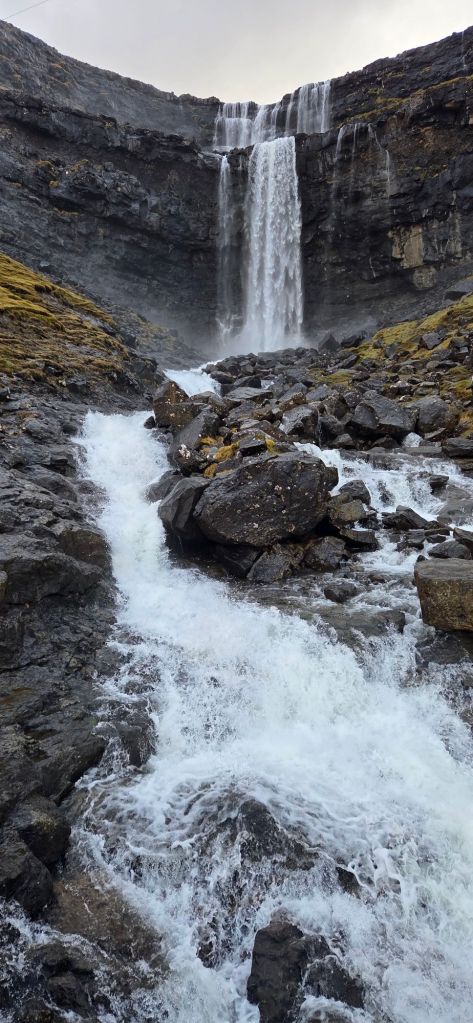
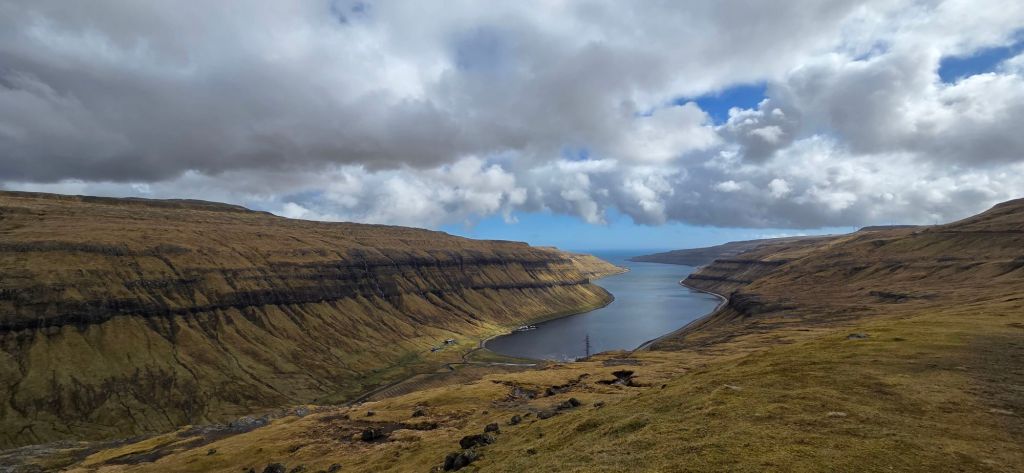
We arrived to the Faroe Islands from Iceland, stayed in Torshavn and rented a car so we could drive between islands. Faroe Islands are associated with Denmark and located 200 km north of Scotland, in the North Atlantic. We were amazed at the numerous tunnels and spectacular waterfalls, cascading to the ocean from hills, gorges and cliffs. Each turn and bend in the road reveals another surprise. The Fosa falls was one of the most impressive sights. It rained every day and most of our hiking plans, including a visit to the “hanging lake” waterfall were soon abandoned.
In Torshavn, you can visit the red wooden buildings and walk the narrow streets, following the footsteps of Viking chiefs and early settlers of the islands.
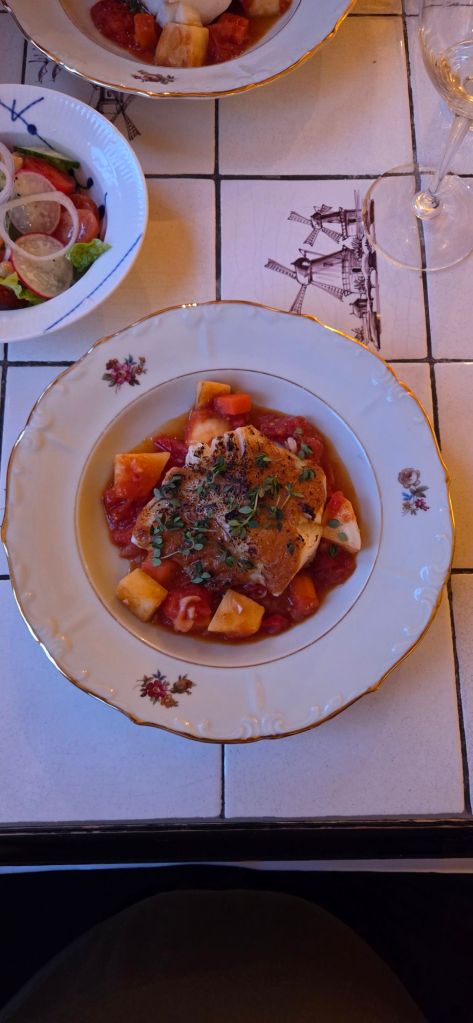
We discovered amazing seafood dishes everywhere on the island, though seafood is abundant and fresh, the tradition of fermented fish is still popular and a special dish in some restaurants. One of our the most memorable moments was dining at Barbara Sea Food restaurant. It is one of a cluster of restaurants located in historic red roof houses inside the narrow street in Torshavn. Another highlight of Faroe was our visit to the Faer Distillery tour and whiskey tasting in Vestmanna. After the tour, we had an informative tasting of aquavit, whisky and vodka made with ancient 2000 years old water taken from a cave on the island.
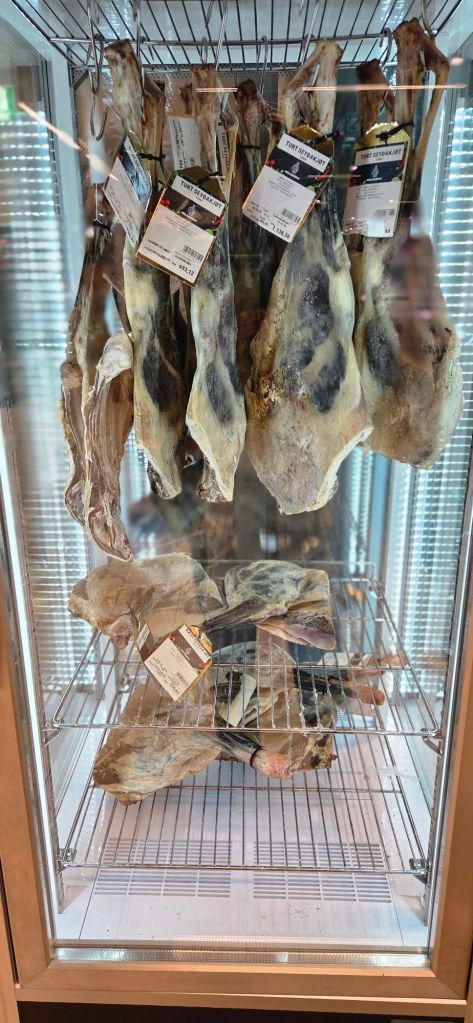
Fosa waterfallBarbara seafood restaurantlocal lambmain island
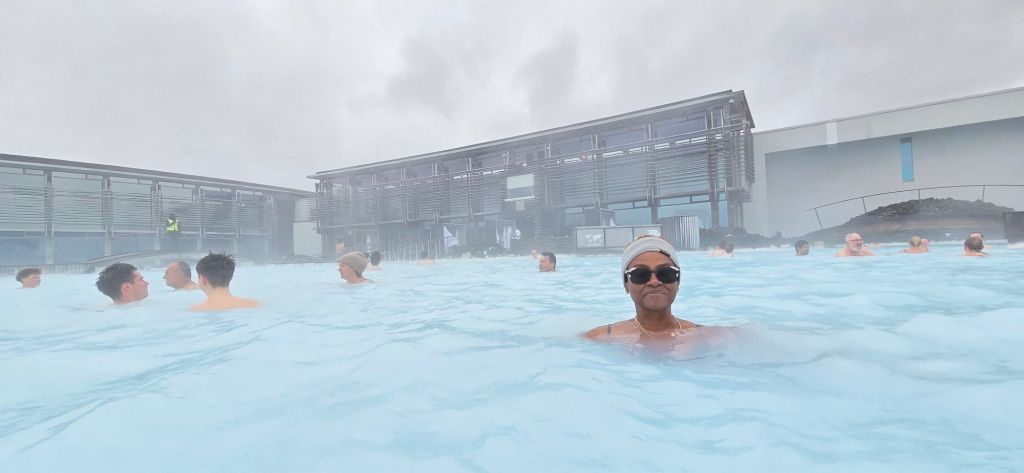
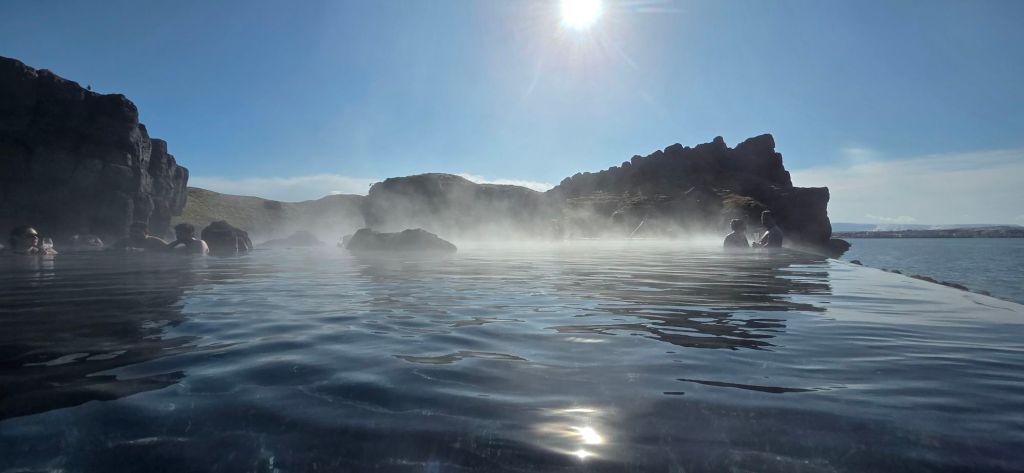
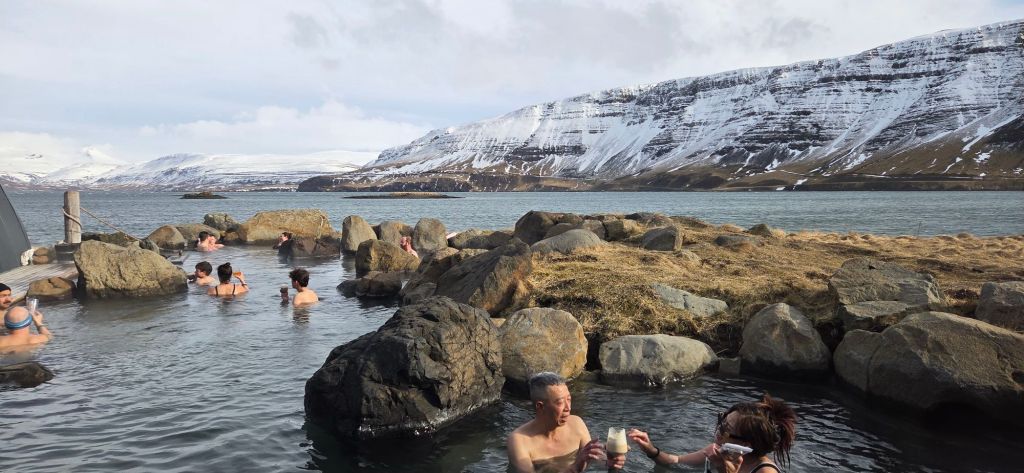
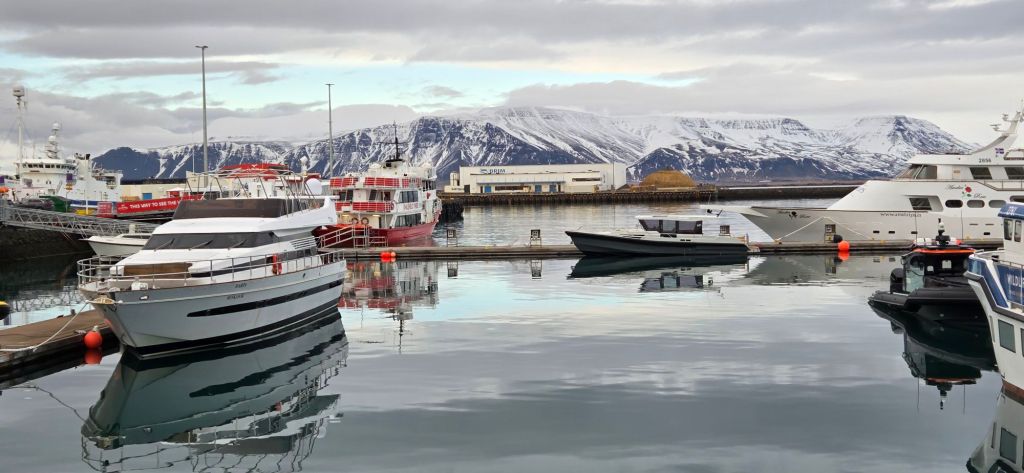
We arrived in Iceland with Reykjavik as our base. We rented a car to explore the excellent hot springs. Highlights of our trip include a stop at the famous Blue Lagoon, where we indulged in the different mud masks, the silica mask makes your skin feels so soft and smooth. Next was the Hvammsvick hot springs, about an hour drive from Reykjavik. This was a truly delightful place, you are surrounded by snowcapped peaks coupled with the hypnotizing sounds from lapping waves from the fjord. As the cold air flows over your face at the same time as hot water bathes your partially submerged body, it feels heavenly. We returned to the Sky Lagoon, where the vibes are gleeful and infectious. For a mouthwatering meal of lamb and seafood, go to the Apotek restaurant in Reykjavik. Our favorite was the time spent at Hvammsvick hot springs, a smaller place which gives it an intimate feel and a cozy atmosphere.
Blue LagoonSky LagoonHvammsvik hot springsReykjavik marina
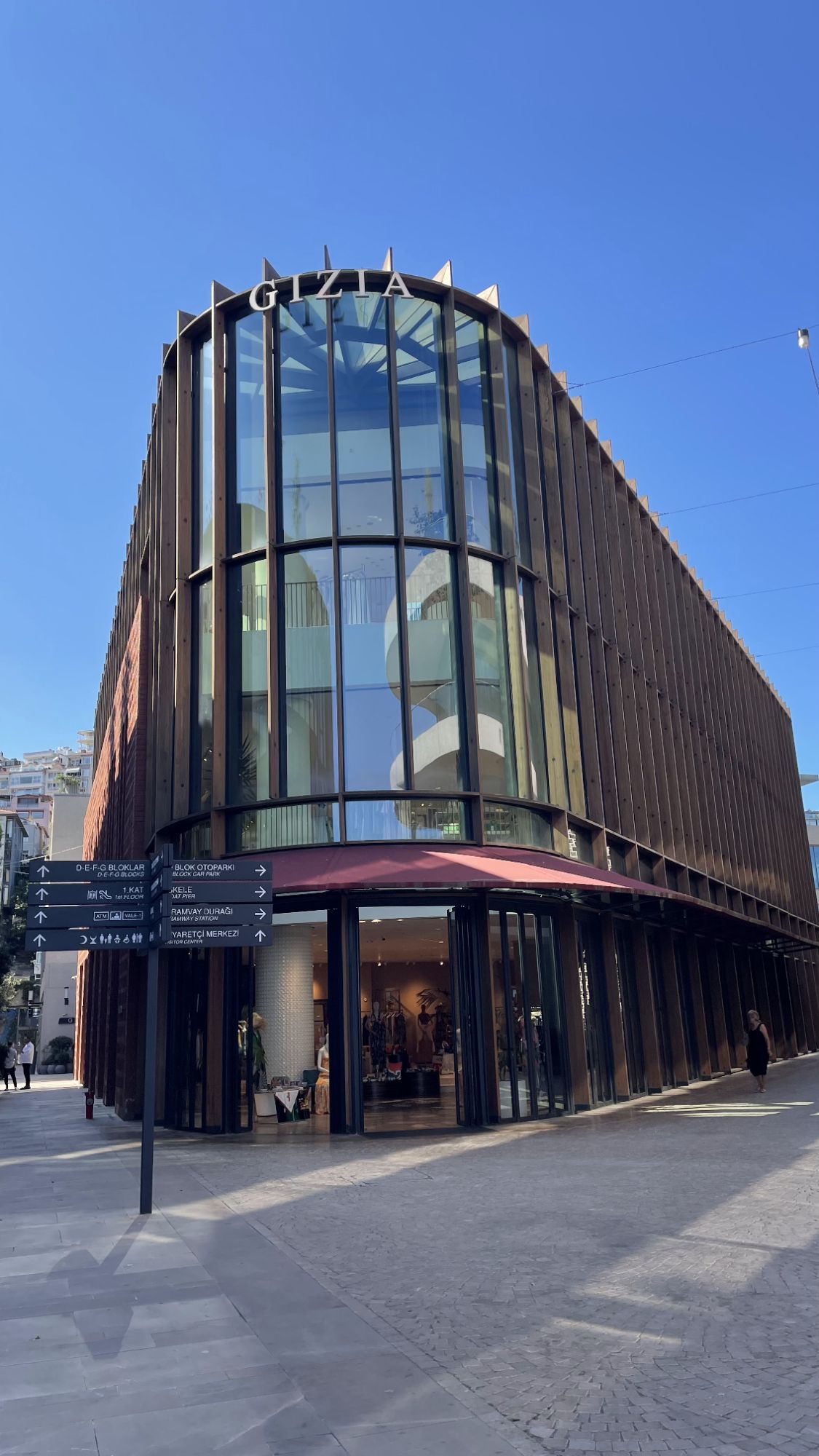
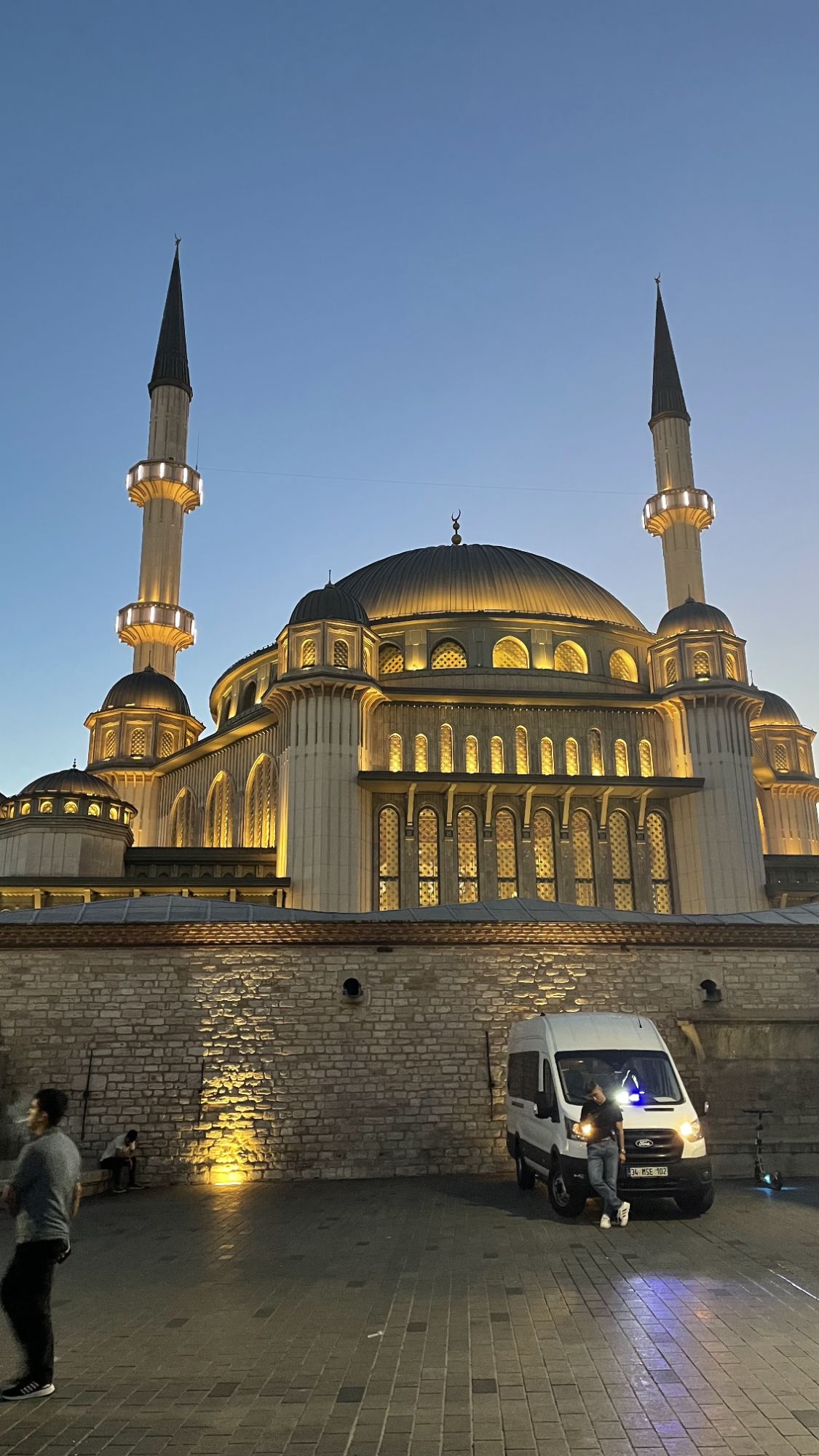
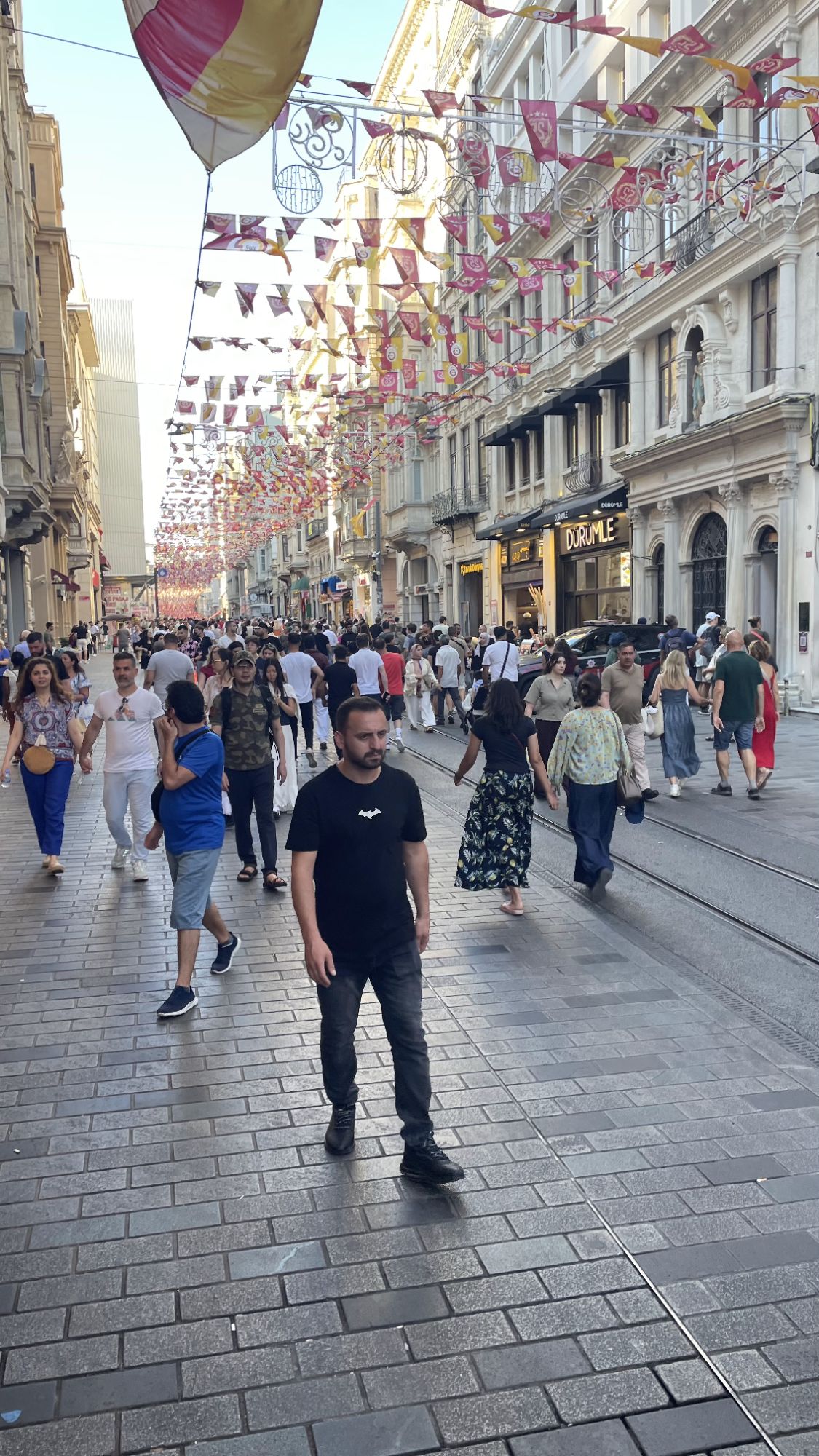
Istanbul is a delightful, vibrant and historical city with many iconic buildings of cultural and religious importance. It is crowded and chaotic, ancient and modern at the same time.
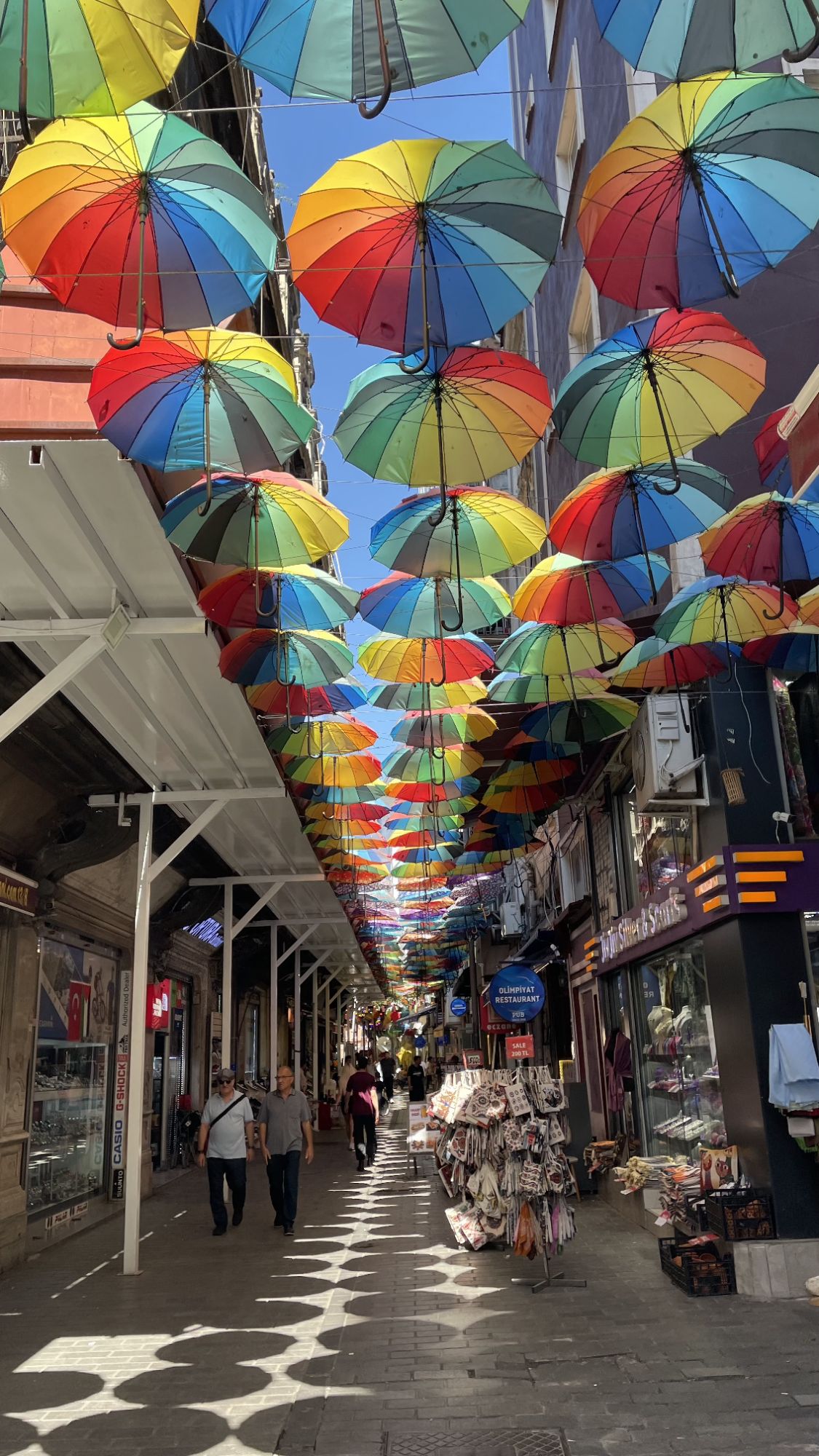
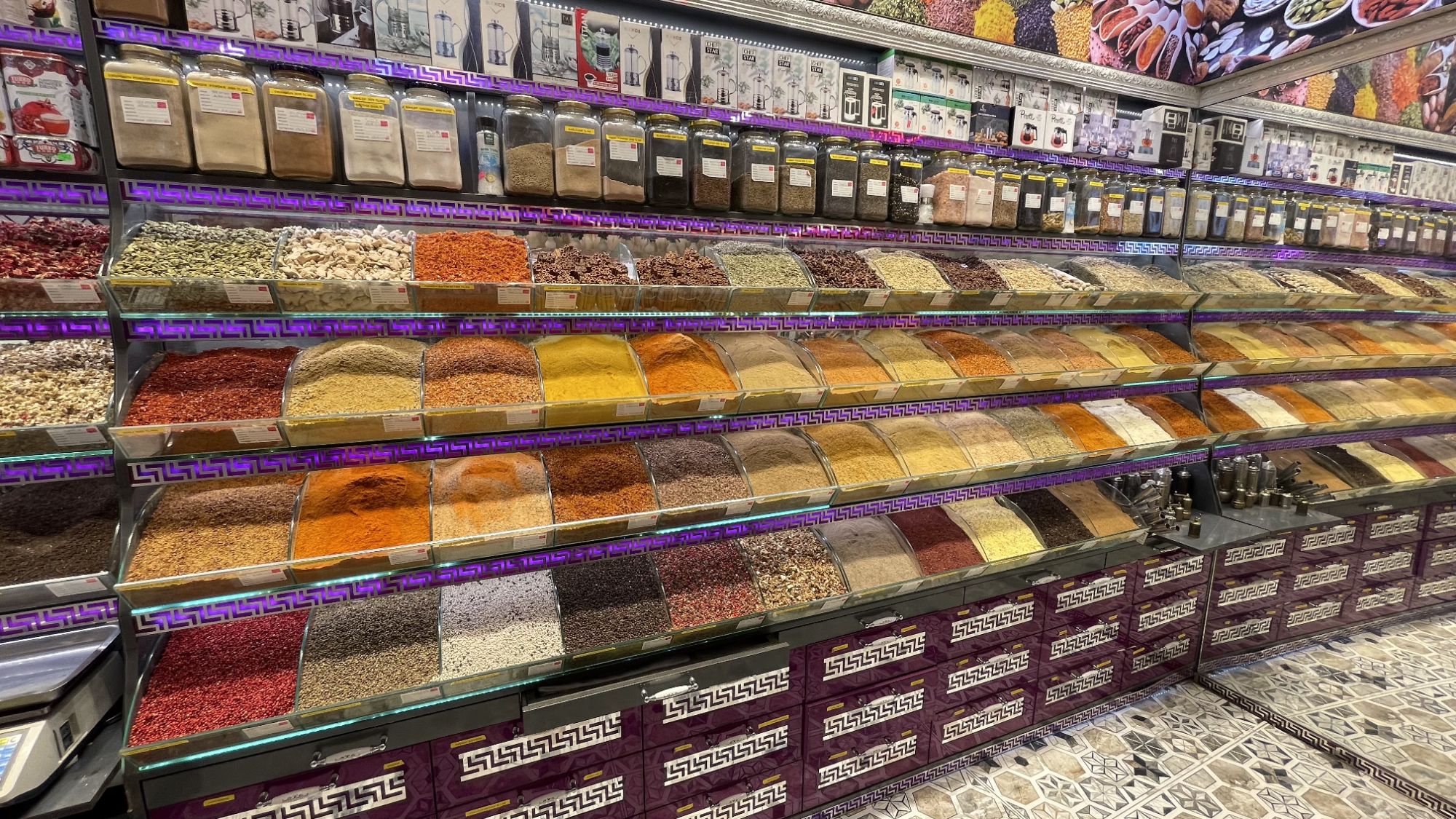
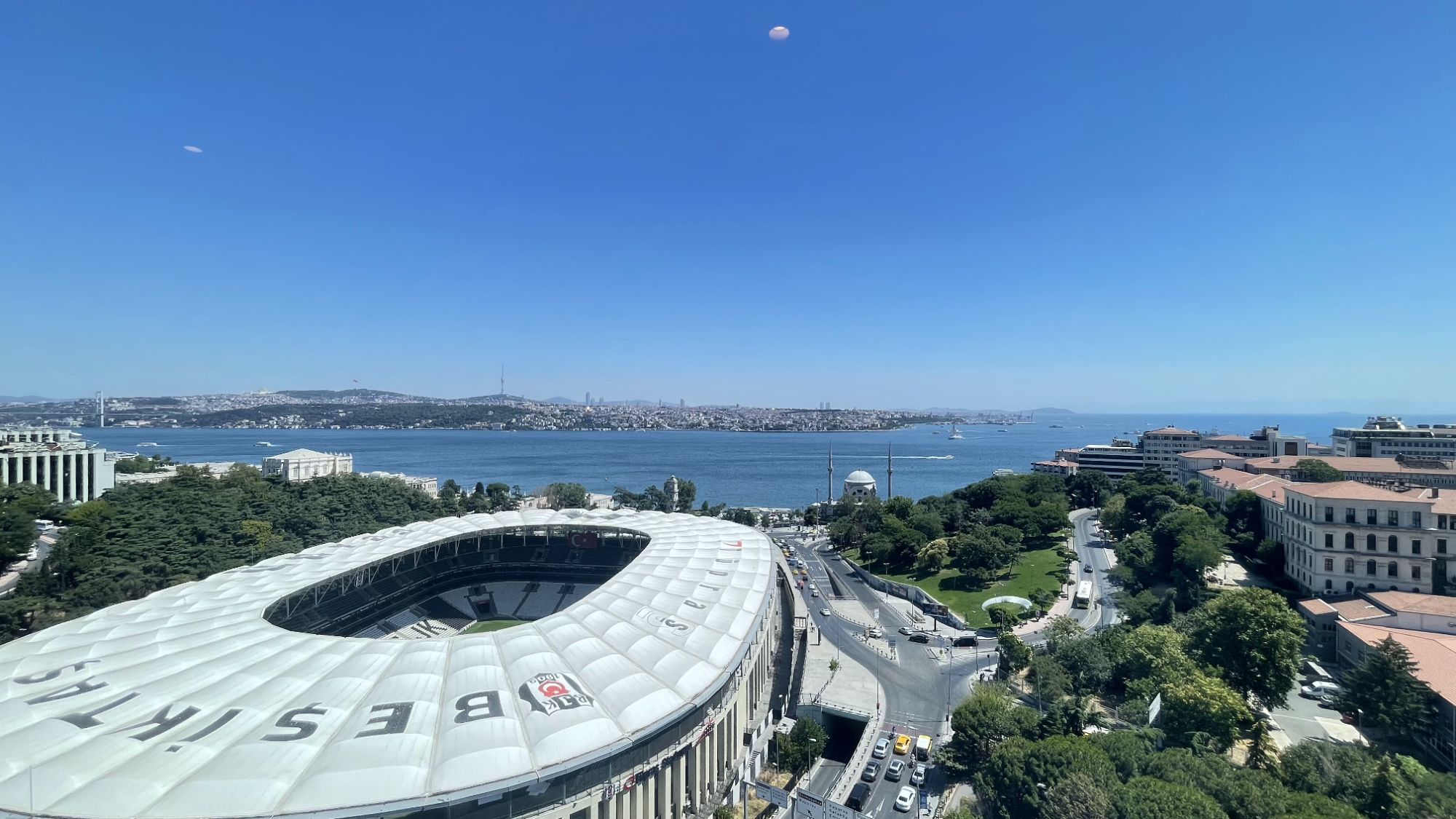
There are two parts to the city, the Asian half sits east of the Bosphorus Strait, and the European half on the west section. Most well-known tourist places (Blue Mosque, Hagia Sophia, Basillica Cistern. Bosphorus Bridge, Grand Bazaar, Galata Tower, etc.) are located on the European half of the city. Transportation is readily available from buses to trams, ferries, metro or Uber.We were encouraged to scheduled time for an evening stroll around the Sultanahmet neighborhood, where you can enjoy an evening cocktail on a rooftop bar, enjoy a kebab or saunter into the historic spice market to sample the amazing sweet or savory spices. If you go to the Grand Bazaar, be prepared to haggle, it is part of the culture and dynamics.
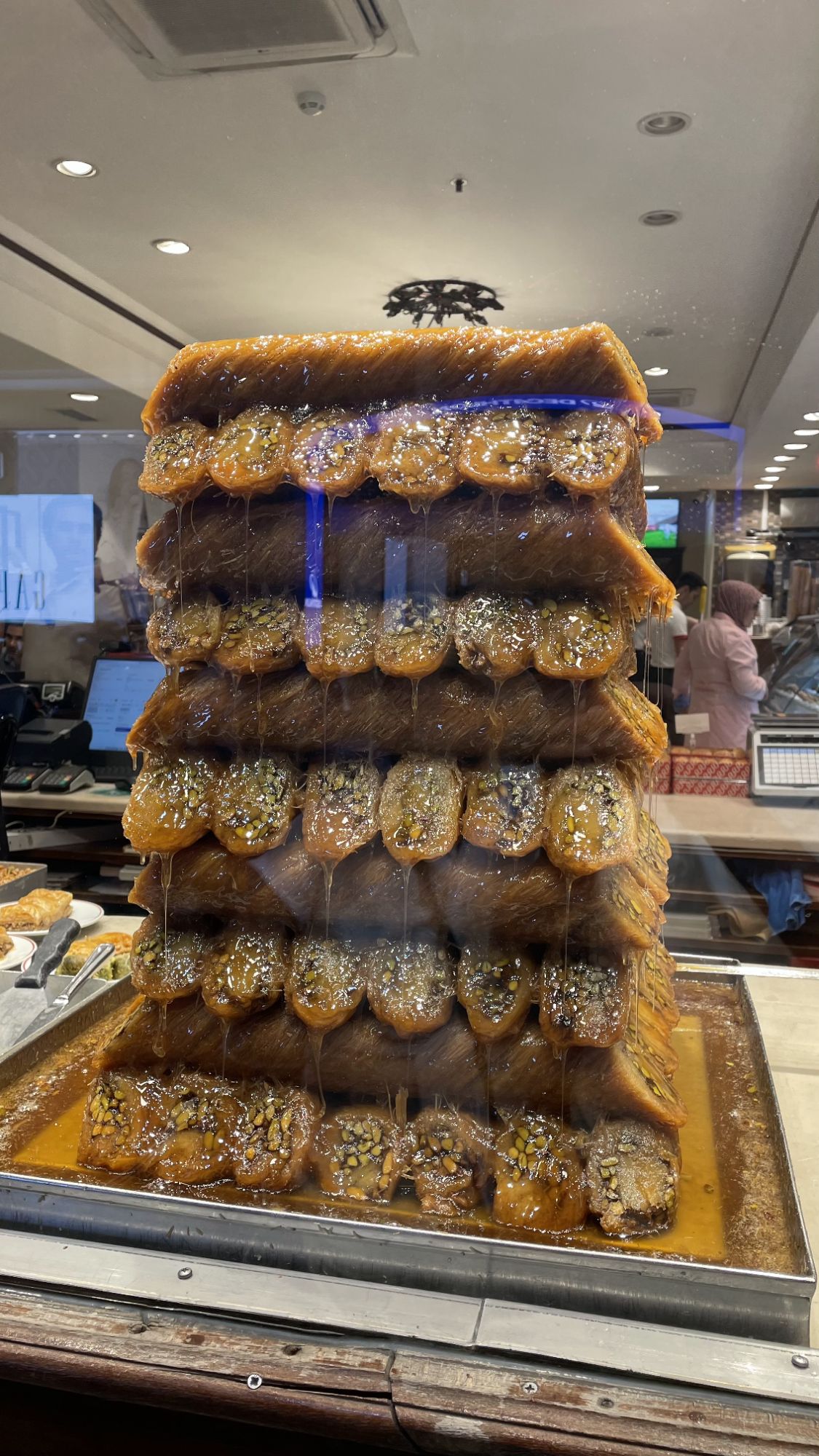
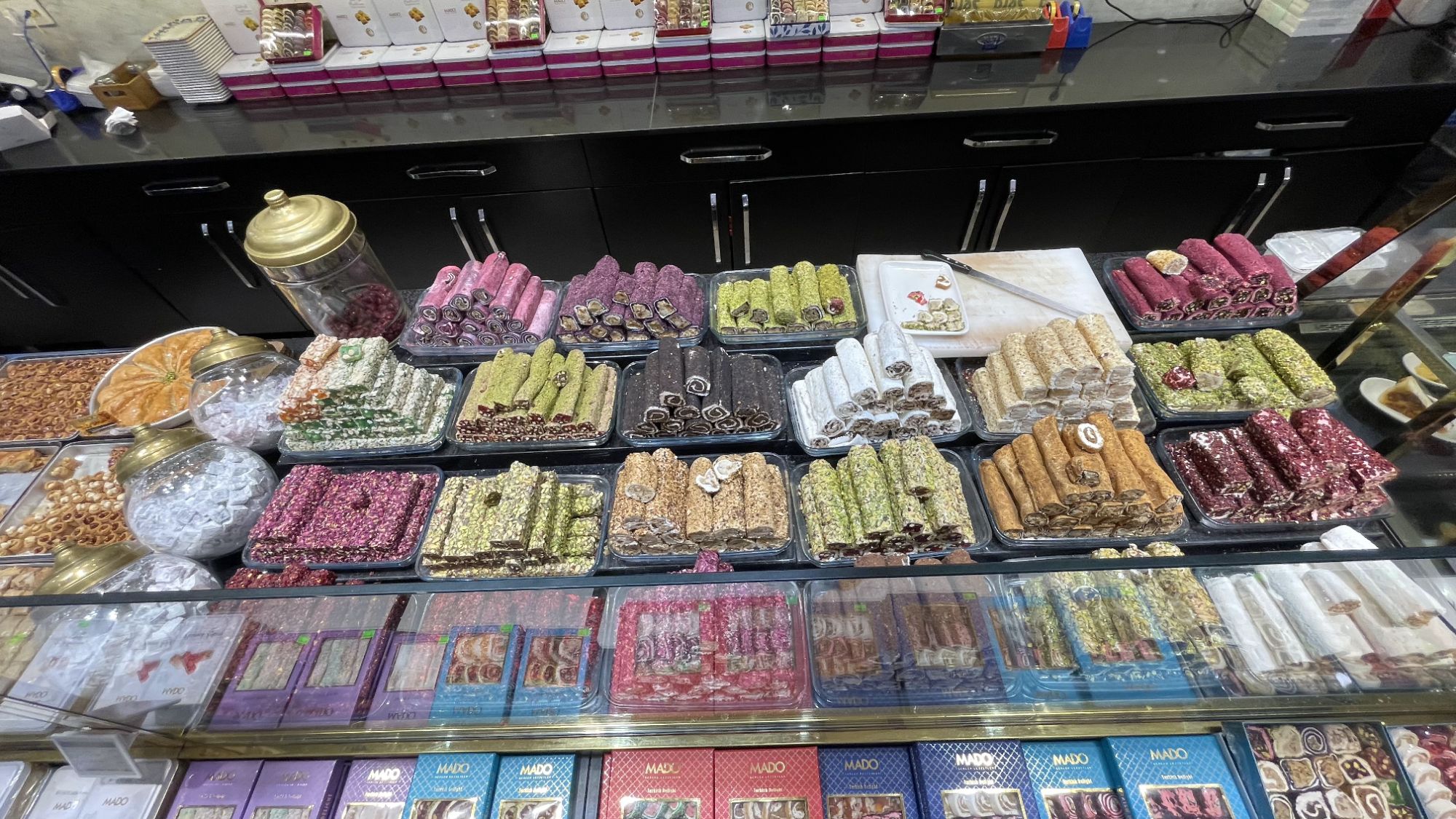
There is food everywhere, from mussels and kebab on the streets, to restaurants and stores selling delicious turkish delight (lokum) and baklawa of many different types.
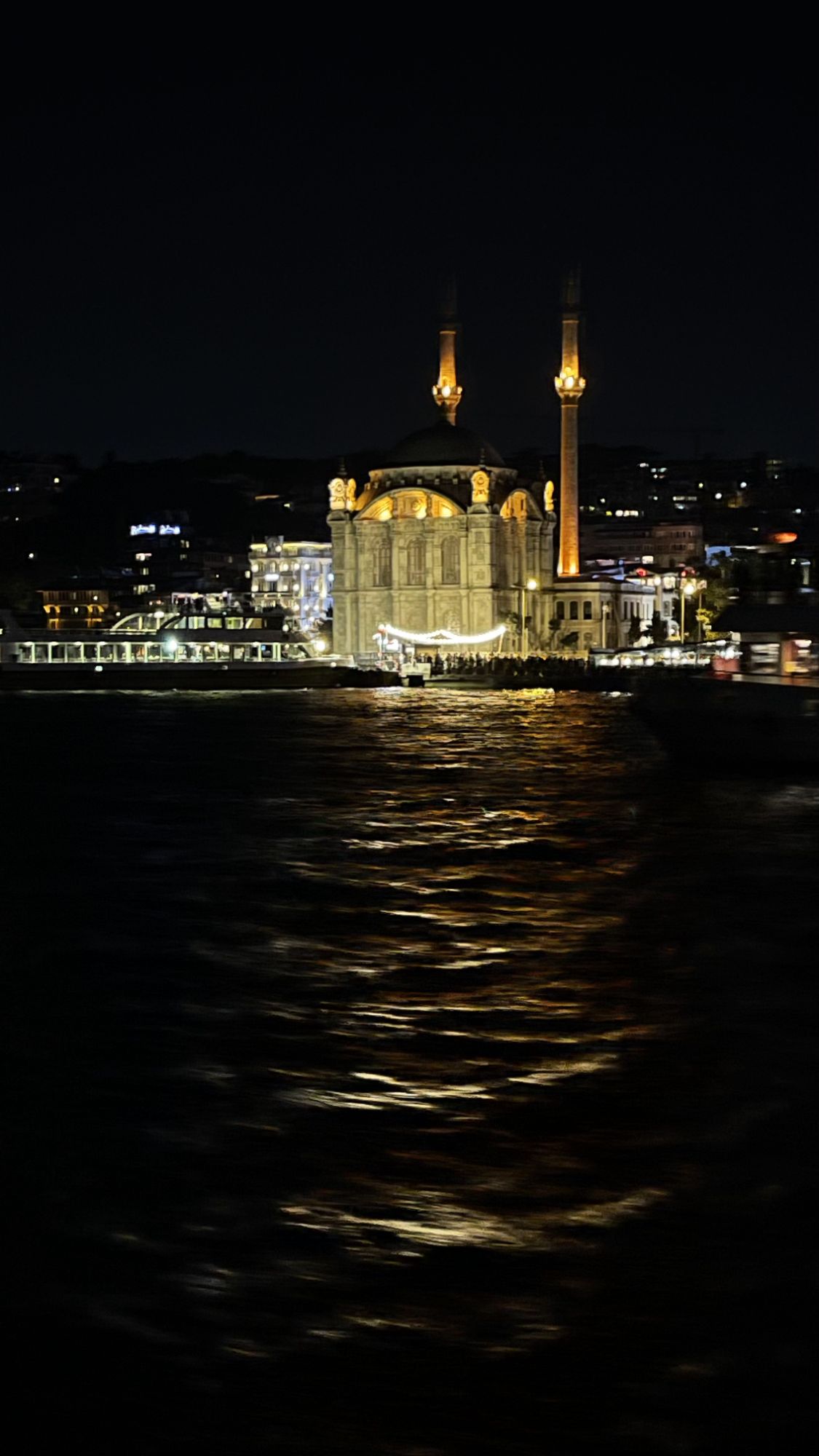
You must indulge on one of the numerous Bosphorus Dinner cruises with tourists and a traditional dance show. From the boat you will also have an amazing view of the Bosphorus Bridge and palaces by the shore. The quality of clothes and textiles are hard to beat so if you have space do some window shopping , you might even find a keeper or two.
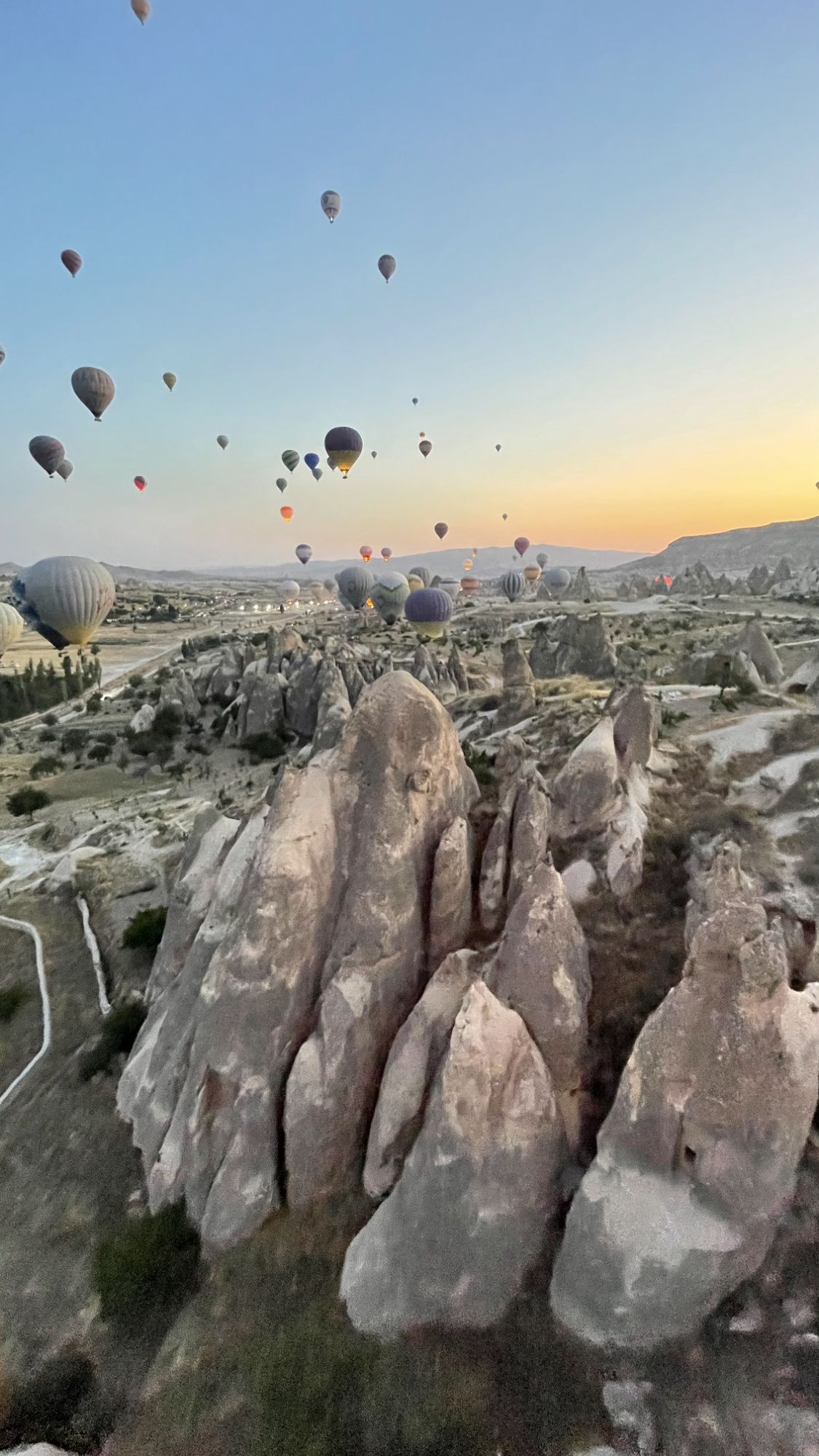
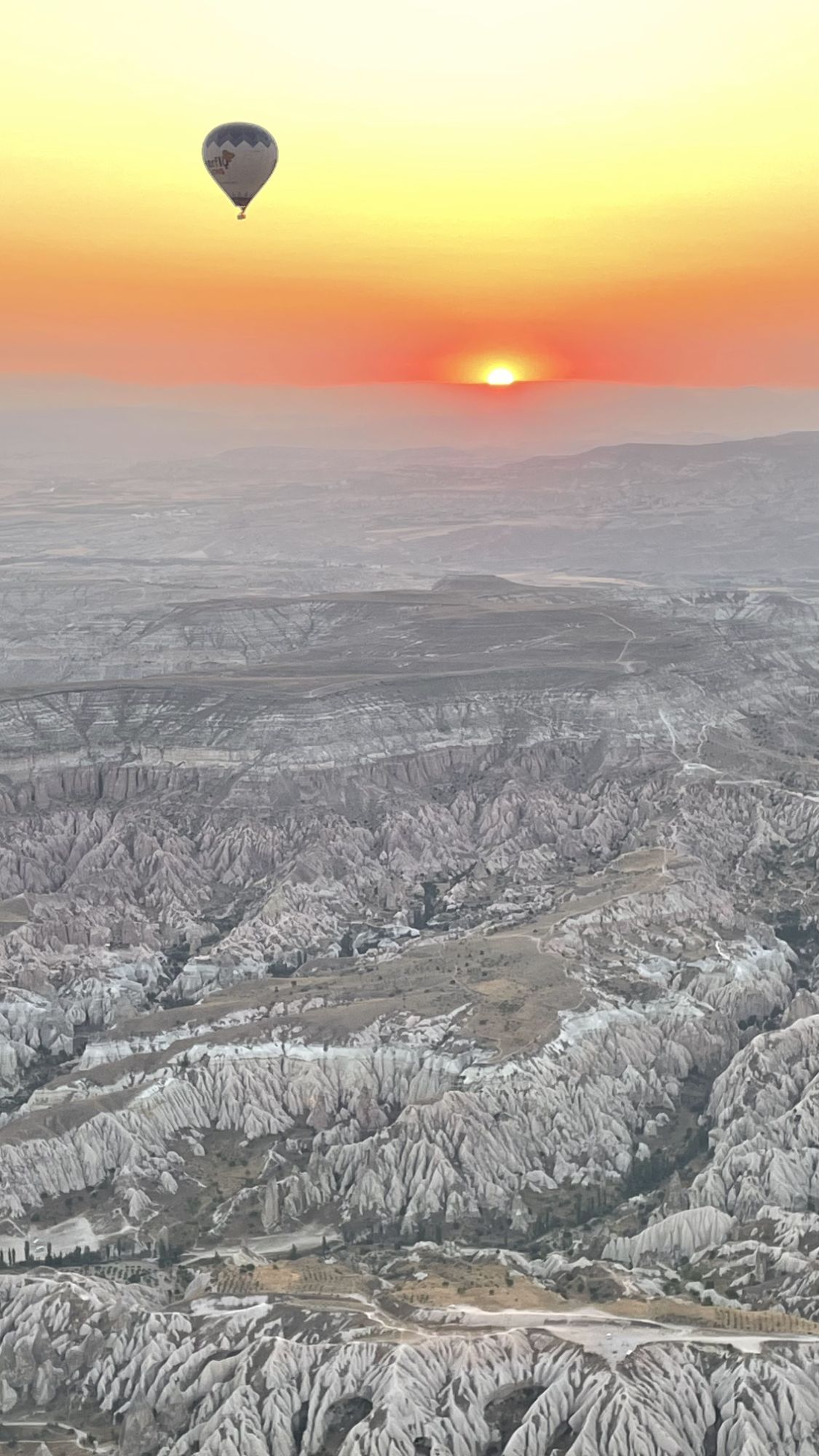
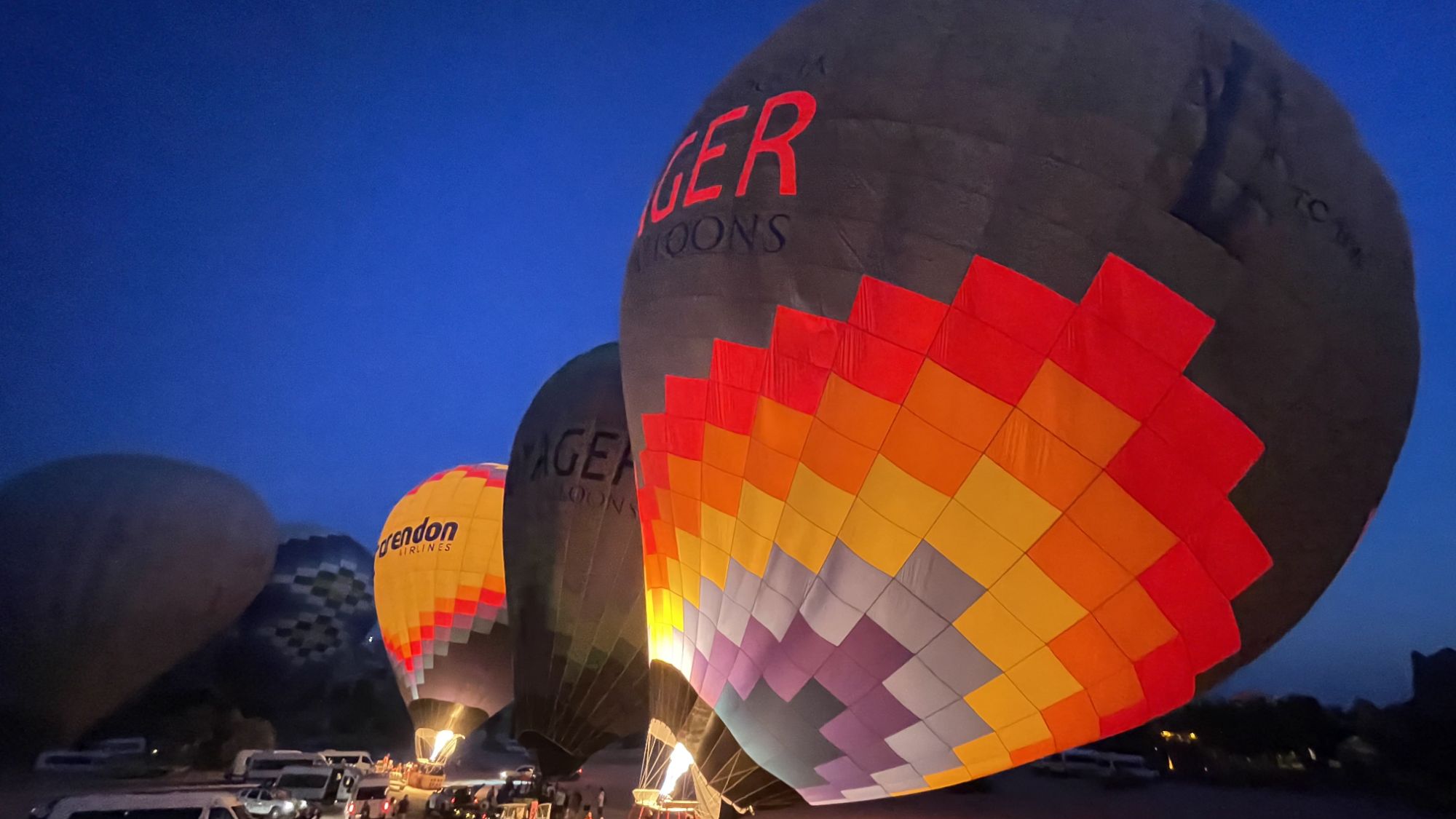
Beyogluwaterfront walkbeyoglubaklawaturkish delightdry fruitsBeyogluwaterfront palaceview of the Bosphorushot air ballon ridesunrise in CapadocciaReady, Set, Go!
Capadoccia
A short plane ride to the east of Istanbul is Capadoccia. It is famous for its fairy caves, wines and its once in a lifetime air balloon rides.
Tips for Istanbul amd Capadoccia
1. Book ahead for your tickets for tours as the same day lines are long. 2. Check the schedules for ferries so you do not get stranded. 3. If you plan to take the hot air balloon ride please book in advance and add a day to spare as they sometimes cancel the rides due to bad weather.
Bulgaria in 2026 joined Schengen and started using the euro.
We arrived in Sofia by bus from Skopje. Sofia is the main business and commercial city in Bulgaria and a huge contrast to Skopje.
The city center was organized and bustling with the energy of tourists and locals alike. Our biggest surprise was the high quality of food in the restaurants. Fresh vegetables and meat were well seasoned and tastefully prepared.
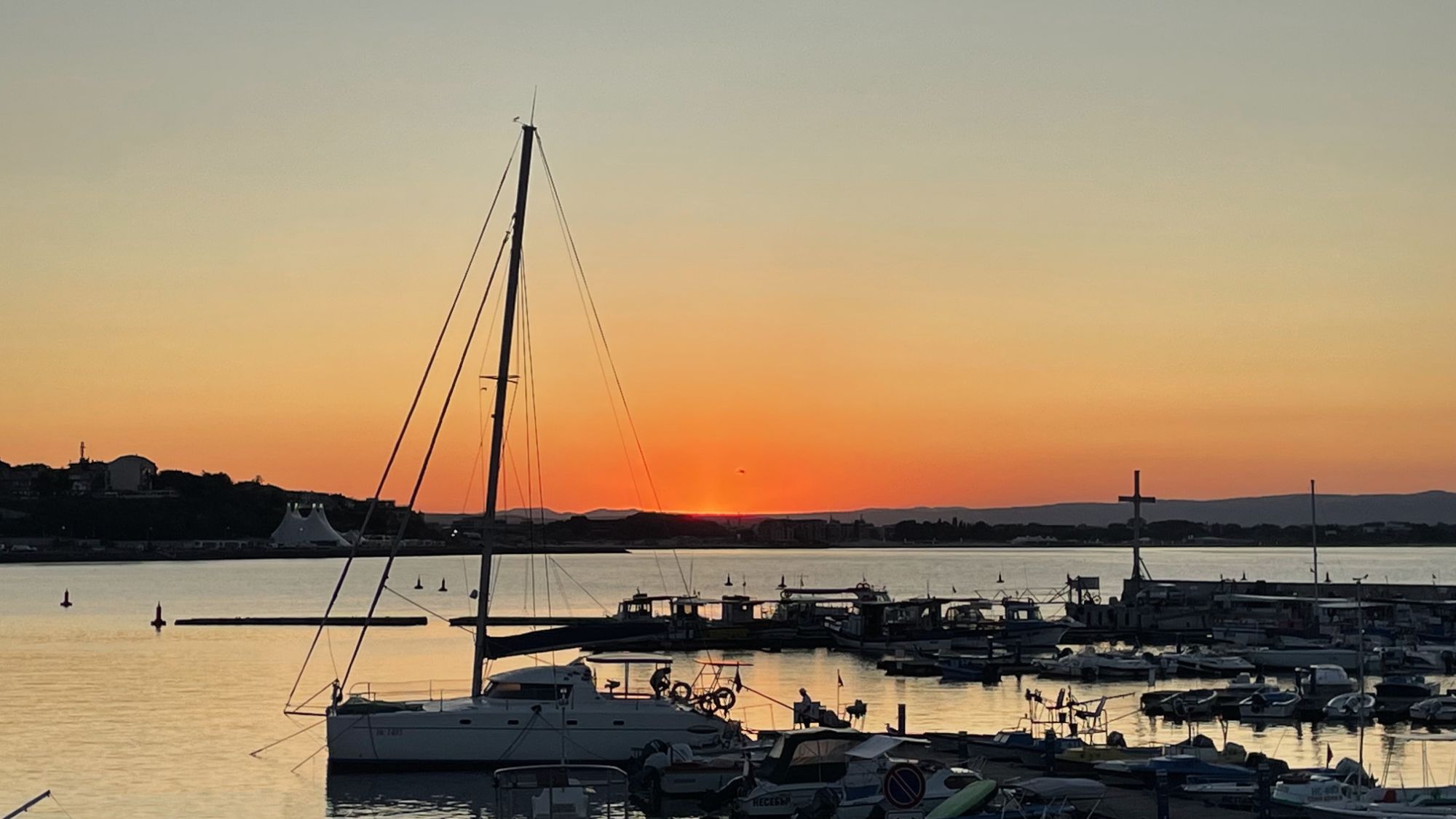
The landscape were similar to Greece and North Macedonia however Bulgaria also has ski slopes and beaches on the Black Sea. We travelled across the country to one of the Black Sea resorts. It was extremely crowded with tourists from Serbia, Romania and Ukraine. We were informed that the resort towns are summer only, and are completely empty for the rest of the year.
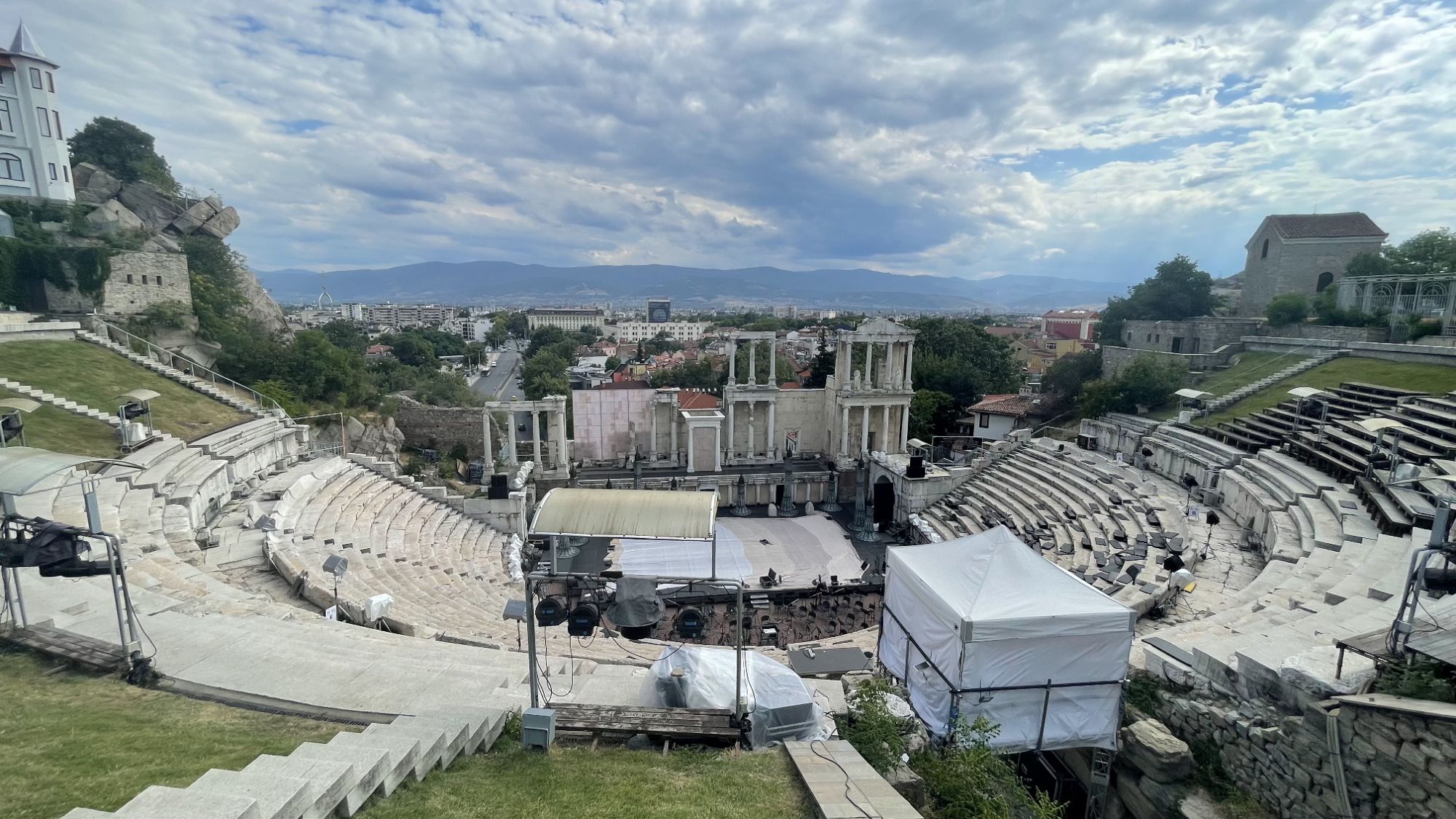
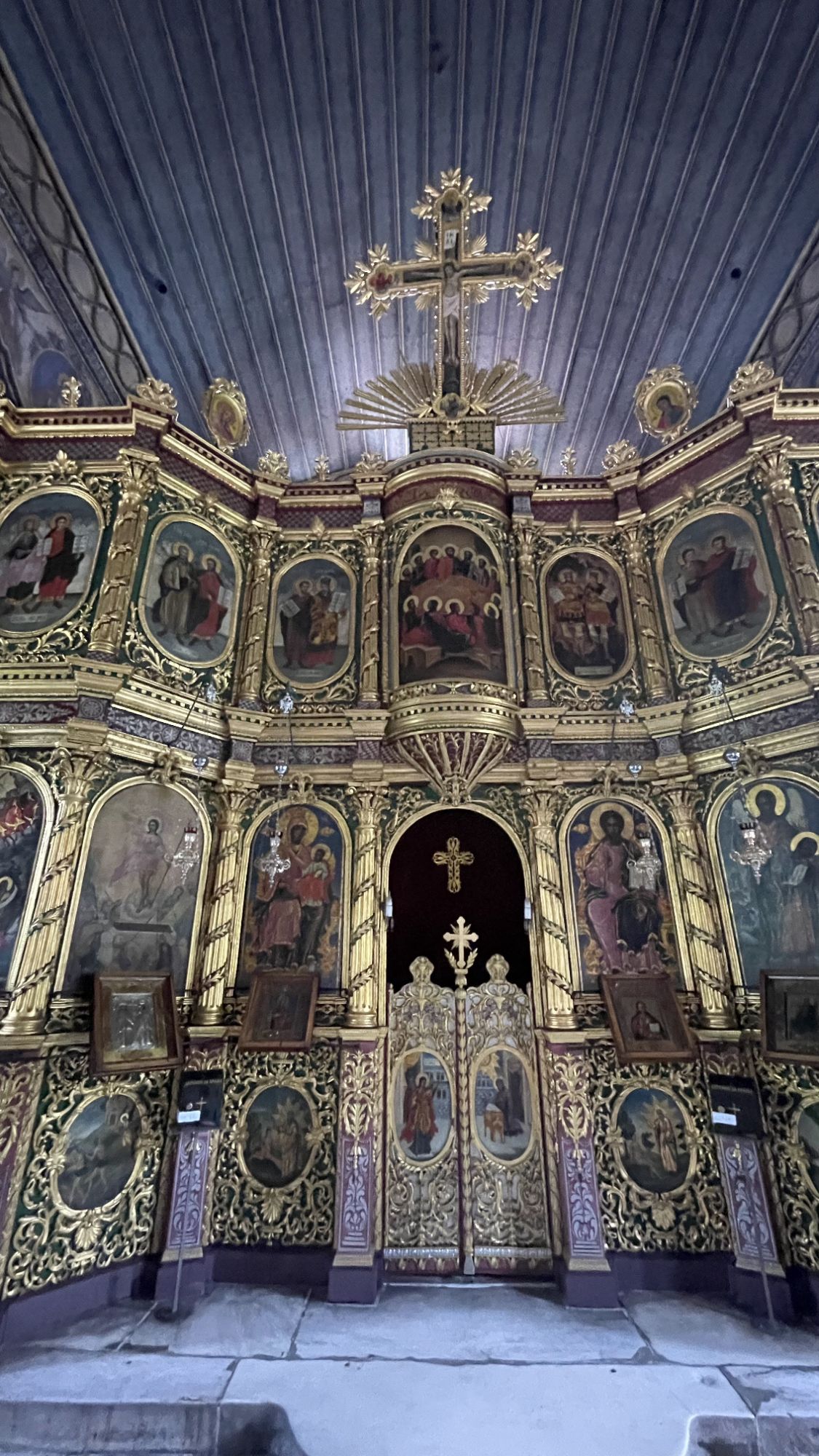
Bulgaria has cities and settlement from the Roman period and earlier. Plovdiv has an active Roman amphiteather and many interesting buildings. Sophia is home to several magnificent Orthodox churches. Nesebar on the Black Sea has buildings dating from the 5th century and Byzantine eras.
One of the main export of Bulgaria is rose products so naturally we encountered many things from food to perfume that incorporate rose essence.
SofiaNesebarPlovdiv amphiteatherPlovdiv chruch
Tips
Driving requires maximum attention. We witnessed several rear- end accidents in the highway.
Sophia is a walkable city, with train access to the airport and reliable taxi service.
A place where history and contemporary compete for eyeballs. Malta is an independent Republic located in the Mediterranean. Its history spans many centuries and occupation by many, including Romans, Italian and English. The weather is pleasant with extremely hot summers from June to August.
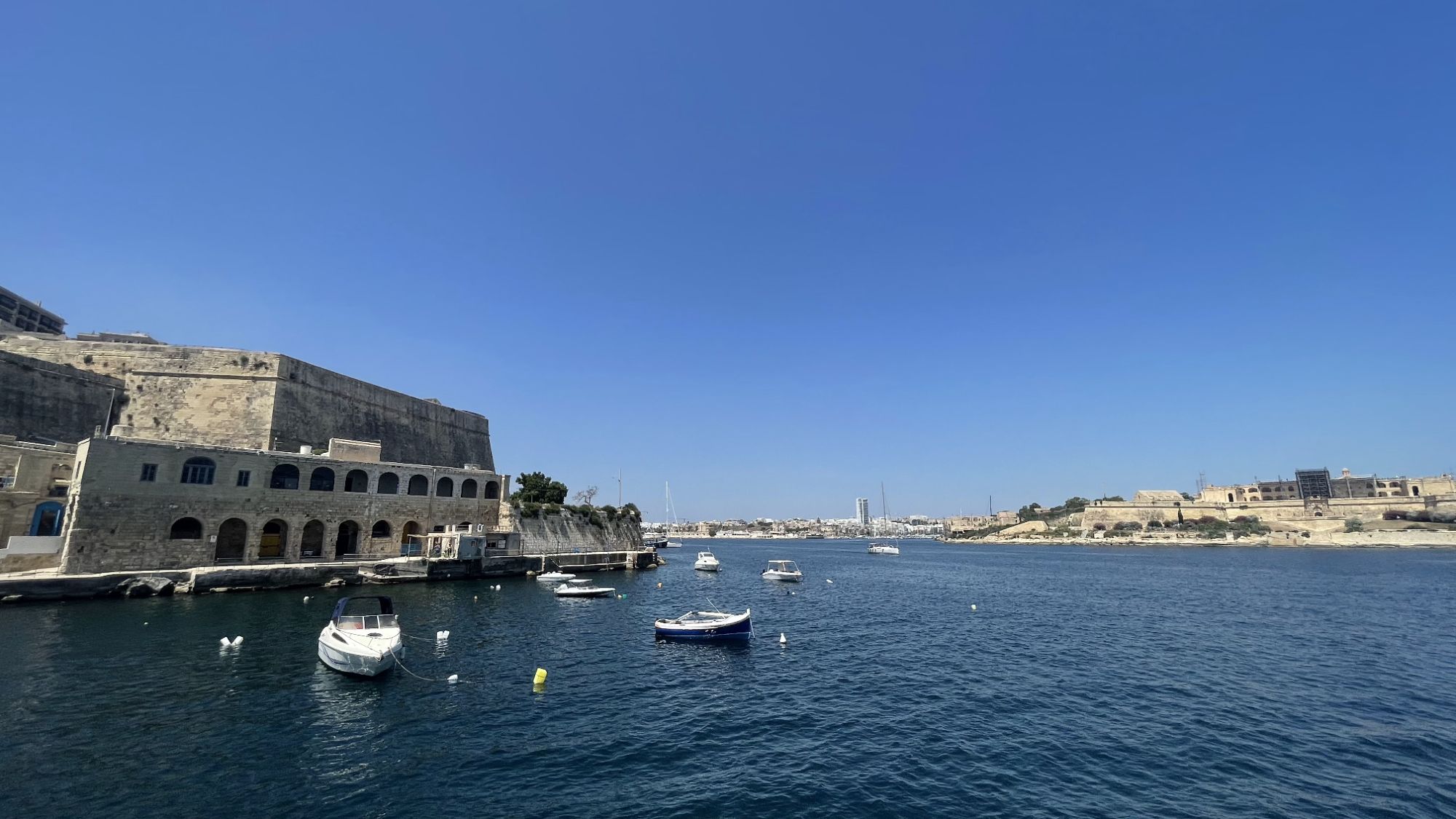
We arrived to Valetta, the capital city, on the ferry from Pozzallo, Sicily which is only a two hours ride across the Mediterranean. Arriving in Msida port in Valetta you can see the old Roman bath pools dotting the stones with swimmers and sun bathers surrounding the city. It is a calm but busy harbour with an eclectic mix of swimmers, kayaks, boats, ferries, fishing boats, gondolas and cruise boats aplenty.
Instead of walking up the hill from port we hopped into a cab. It is also convenient to use the lift up from the port if you have suitcases. Our hotel was in the Sliema neighborhood with an amazing view of the neighborhood of St.Julian and the Mediterranean sea. Sliema is known for its historic buildings, beaches, restaurants and shopping.
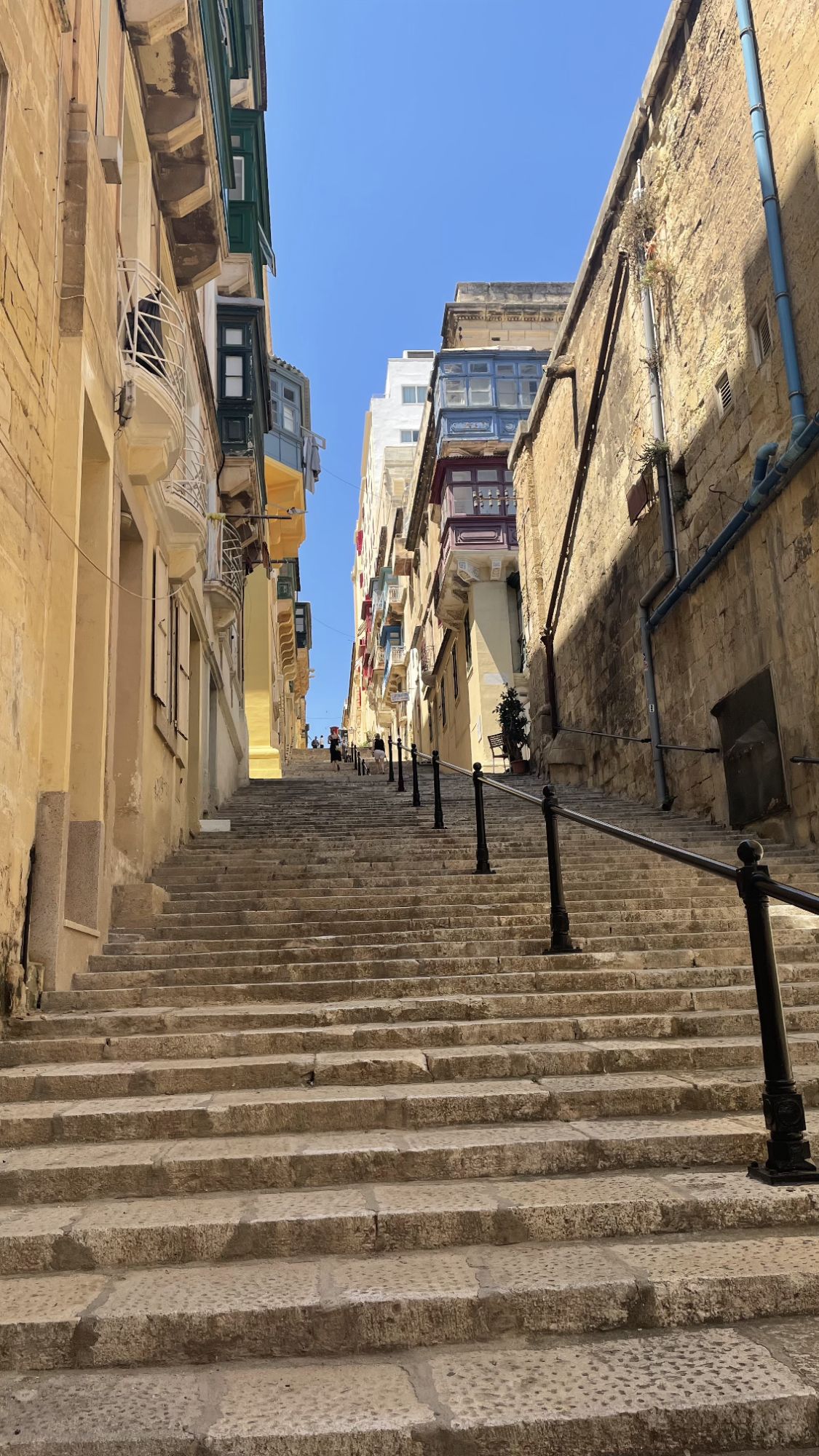
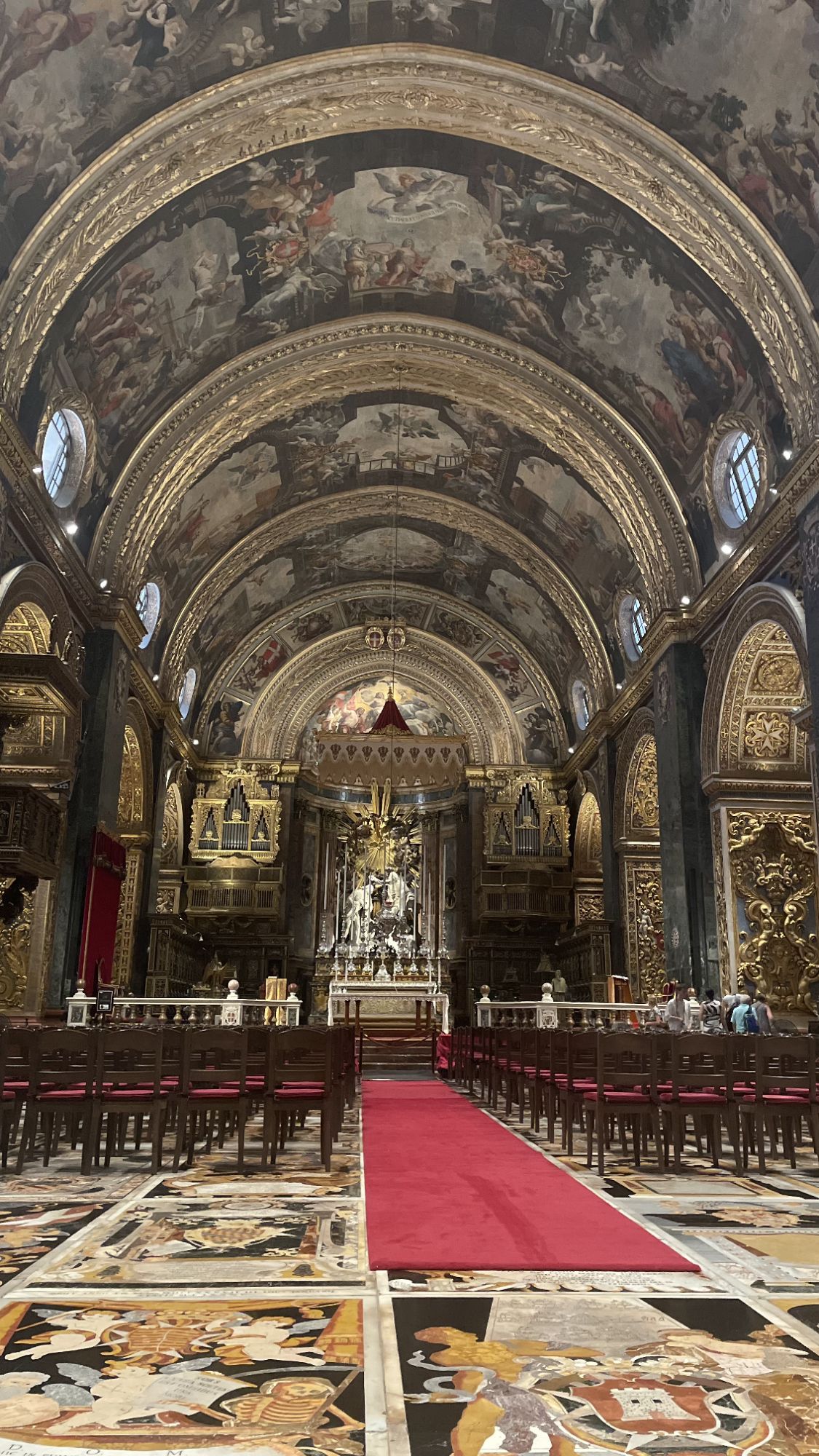
Take the ferry and in 5 minutes you can be in downtown Valletta to visit the Duomo, St John’s Cathedral and many other historic places. The streets are an interesting array of historic houses and buildings with colorful bay windows appearing as huge boxes of color; red, blue, green, white and yellow. Maltese foods include a rabbit stew and horse meat but they also serve amazing racks of barbeque ribs and fish.
The evening ferries brings a younger crowd from St. Julian and Sliema that are headed for the bars and nightclubs in Valetta.
The town has a distinctive atmosphere, with many languages spoken: Maltese, English, Italian, Spanish, Arabic and others. Many Italians work in Malta; one Italian taxi driver was so funny, when a horse walked slowly in front he blurted out: “these Maltese horses are diesel, no good”
The Valetta area is a frequent stop for large cruise ships that bring a flood of visitors to the city. The ferries provide a link to Malta’s three main islands. Malta’s key economic activities are tourism, movie filming locations and electronics. It has become a hub for internet gaming, finance and a growing destination for digital nomads.
climbbing the stairs from the portarriving in ValettaPirate’s church (Church of our Lady of Liesse)
Tips
1. Most tourist’s attractions are in Valetta and Sliema. 2. Driving follows the English pattern on the left side, be extremely careful and look both ways when crossing the streets. 3. Retail shopping is from 9am to about 7pm so plan accordingly.
4. It is quite hot during the summer, dress accordingly to walk the hills of Valetta.
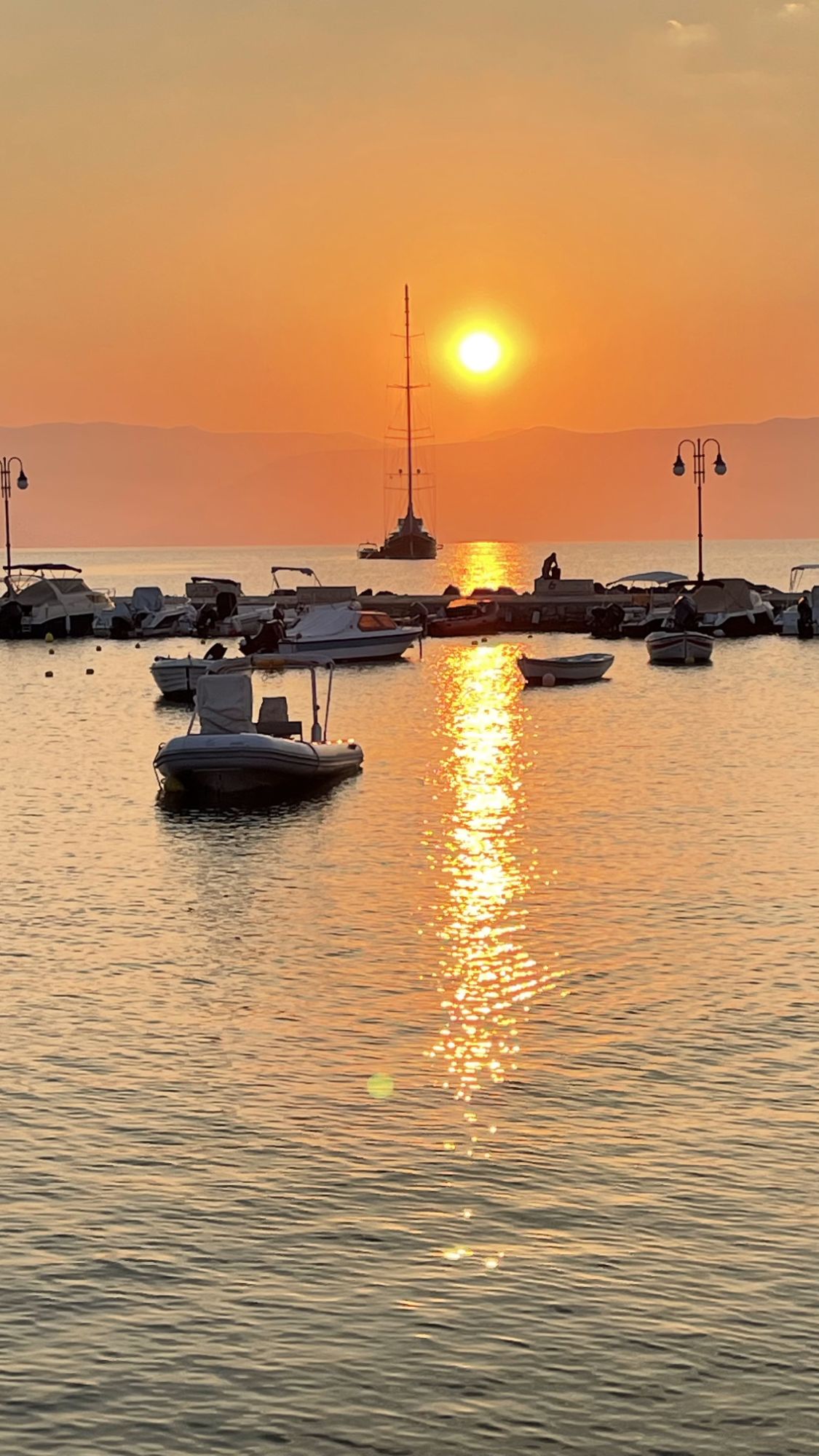
Corfu is a much bigger island that expected, with green mountains, hilly villages and land so close to Sarande, Albania at some points one could just swim across. The views of the Ionian sea seem to emanate from every hilltop. Swimming in the calm waters of the bay seem to be a popular pastime of locals, old and young.
We stayed near town, a 25 minutes walking distance down from the hotel. The bus service has a regular schedule and so for two Euros its possible to hop on the bus for a 10 minutes ride into town.
The city is full of history, though occupied by many people over the centuries. It is one of those places that is proud to inform you that they were never under rule of the Ottoman empire. We were surprised when we accidentally walked by the birthplace of the late Prince Phillip, Duke of Edinburgh.
Corfu has both an airport and port, receiving ships from Italy, Albania and other parts of Greece. The town thrives with cruise tourism, and as a main entry point into the Ionian 7 islands.
We were told that the best time to visit is September and October, after the intense summer heat. Nights on the island were calm amd slightly cooler than days. To explore the interior of the island, it is best to drive a car, you hire a boat or use the ferry to explore nearby islands such as Paxos.
Igoumenitsa is a small town that rises up from the sea and creeps into the hills. It seem to depend mostly on tourism and olive groves as main activities. It is the main hub for ferries and bus transit to surrounding Greek areas of Corfu and Thessaloniki, Albania and North Macedonia. The town connects the mainland to the islands in the Ionian sea and Adriatic with a mostly transient traffic passing through. As we left town by bus heading for Thessaloniki, houses gave way to olive groves and hills covered with huge solar farms. We drove through fertile plains with enormous orchards of peach and nectarine, dotted with hay and wheat fields amomg many other crops. Steep hills host reservoirs and picturesque valleys with towns and villages, with their red roofs visible through the late morning mist. The construction of the churches follow the eastern orthodox Christian layout and look, using brown stones, smaller structure and round roofs.
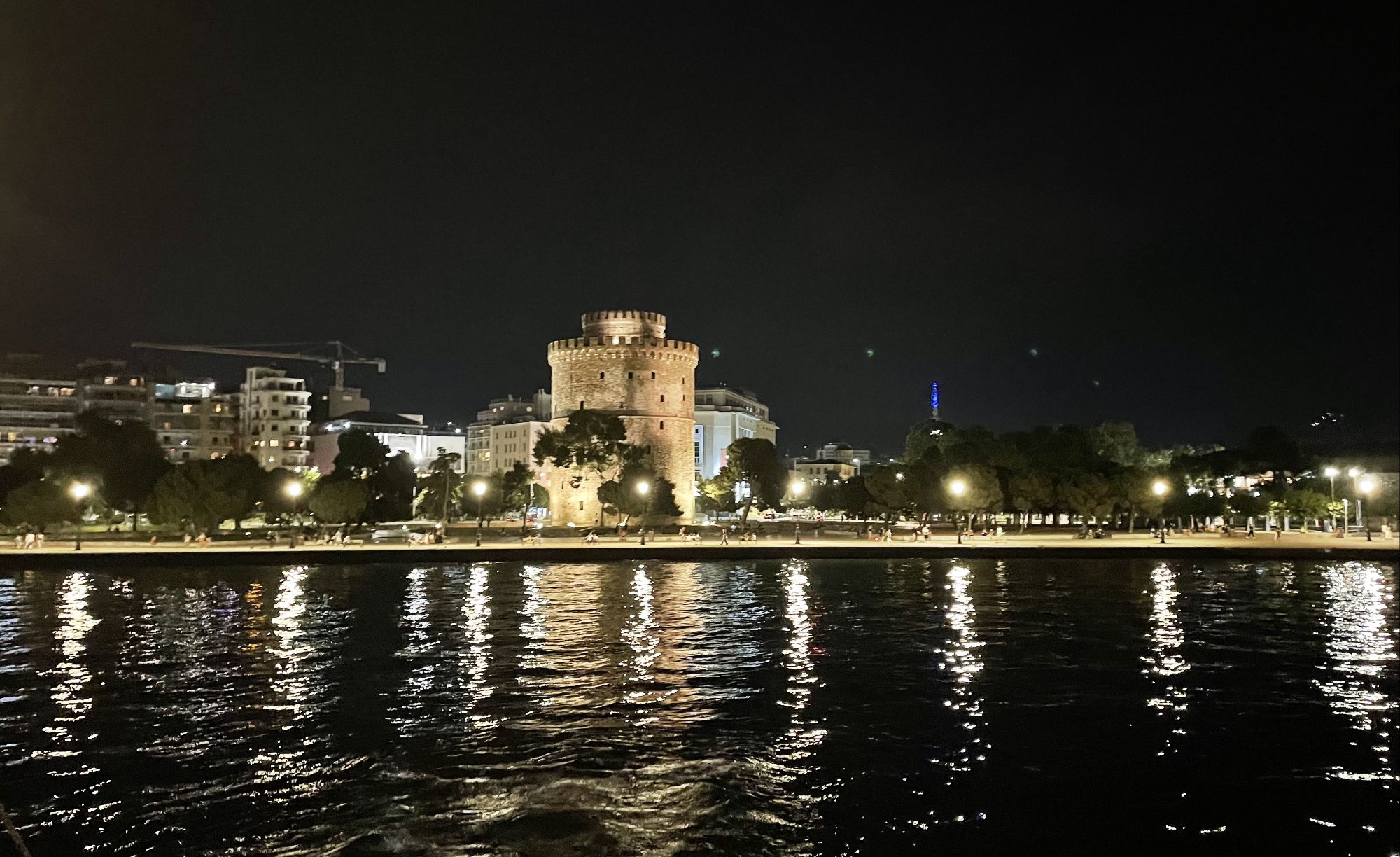
We arrived in Thessaloniki and immediately felt the hustle and bustle of a big city. Thessaloniki is an enormous bayside on the Aegean sea, the shoreline cradles the city like a new mom protecting her baby. It is the second largest city in Greece, the bay is relatively calm, making boat bars a popular activity. For only seven Euros you can take a pirate ship or tiki bar around the bay, enjoying the view from the water as you listen to music and sip Ouzo (local drink). There are an insane number of places for food, coffee and liquor bars, and hotels around the city. If you like the vibes and bustle of large city, you will feel comfortable in Thessaloniki.
Corfu at sunriseIgoumenitsaThessaloniki from the bay
Tips
Corfu is touristic and walkable. Great bus service,views and beaches.
In the summer months, dress for hot weather, walking is best in early morning and evenings.
Igoumenitsa is a convenient connection point by bus to Thesalonniki.
Take the pirate ship in Thesalonniki, have a drink and enjoy the view of the city from the boat.
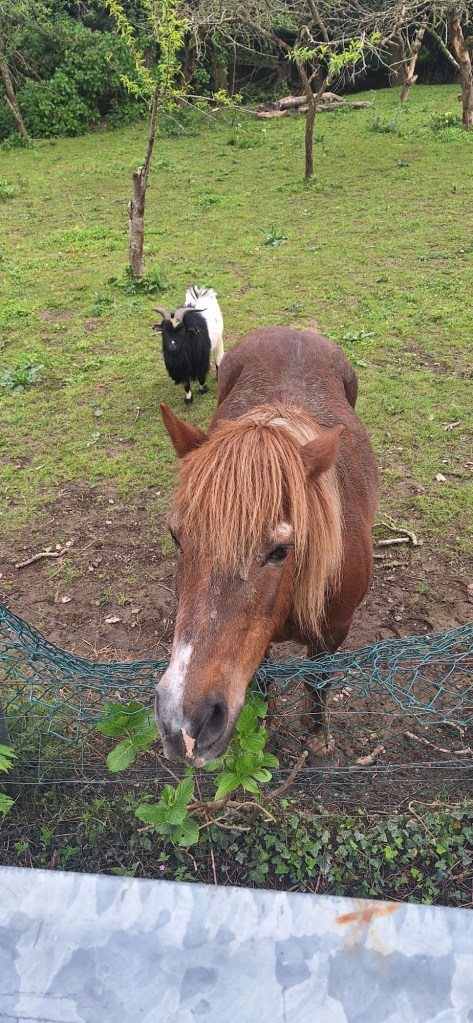
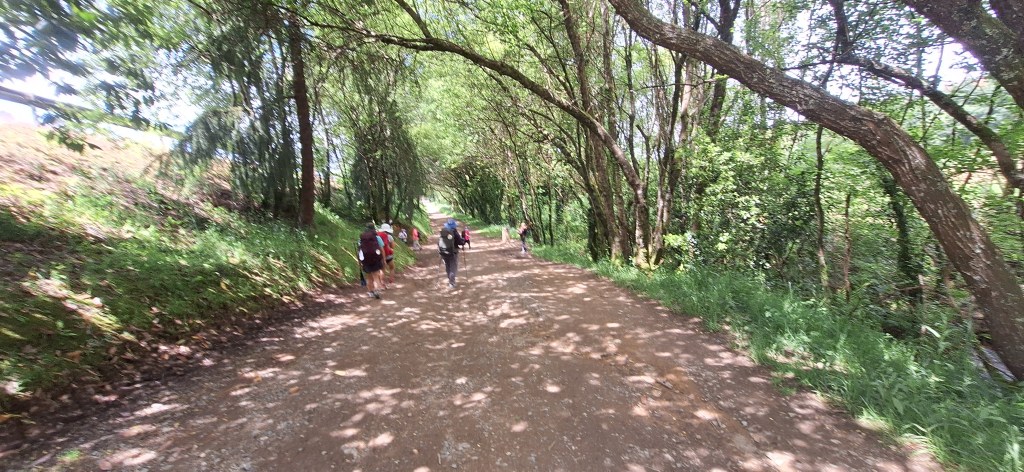
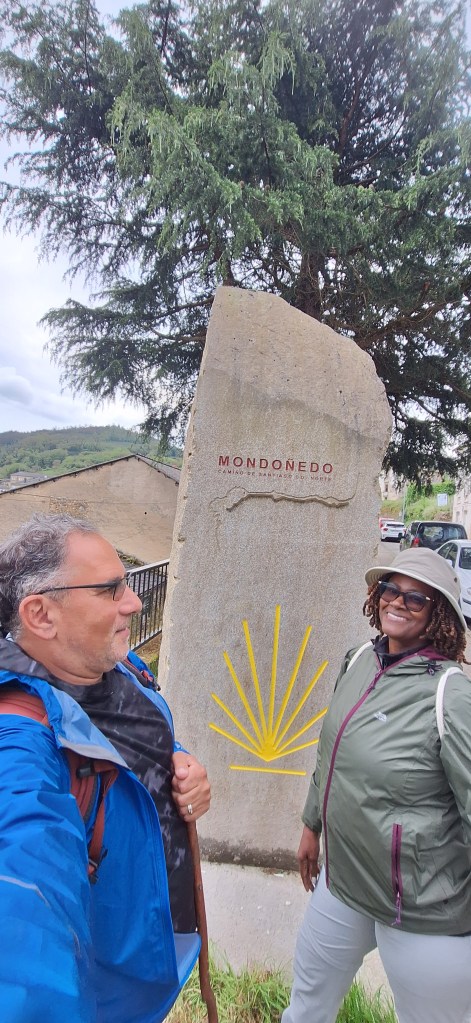
Walking through the innards of Northern Spain you see mostly everything. This year 2025, we completed our pilgrimage from San Sebastian to Santiago de Compostela. We began the journey last year and walked the mostly coastal trails to Gijon. This year, our experience was very different. In Asturias we mostly walked in refreshing eucalyptus forests. It was early May, rainy and with water gushing out everywhere we walked. Cows, sheep, goats, horses, donkeys, and chickens, walked about and grazed peacefully in lush green pastures. Women, old and young, hand tilled soil near their homes to plant. Home gardens are everywhere. Numerous small plot with rows of cabbages, spinach, lettuce, beans, potatoes, etc. The rural folks seem to grow whatever they eat and farming is a highly respected profession in these places. There are huge fields of freshly cut hay and rows of newly planted corn stretching into the horizon. We walked through small villages with the pungent smell of manure and animal dung everywhere. At times the animals welcomed us with their smell on the trails and followed us out unto the streets. Some homes have sheep, goats and chicken grazing all the way to their front doors. Nonetheless, the people are happy, kind and welcoming everywhere. As we walked, we could sense the deep history of the villages, the churches and the homes. You realize that these places have been inhabited for centuries. There are towns such as Mondoñedo in Galicia that has been occupied since 858 and received city status in 1156. Some villages had only one or two houses and no place to stay. You feel fortunate to share a room in someone’s house or walk another 20 km to the next village. Lots of pilgrims get injured and need to rest or discontinue the journey. The people from varying ages and fitness. Young, old, happy, miserable, sad, lonely, brokenhearted, determined.. everyone with the same goal: Get to Santiago de Compostela. The pilgrim walk is not easy, but it is possible for many to do. As my husband says and I agree, you see the world much differently when you walk. We arrived in Santiago early morning, went to Mid-day Mass, recuperate some for 2 days. We will continue for another 4 days and 90km to Finisterra.
taking a break to playPlaya del Aguilar, beautiful beachsardines, deliciousSantiago de CompostelaGalician trailCorn fieldHome gardenRows of young treesGalician beachAsturian hillsMondoñedoGalician beachMidday break
Tips for The Camino del Norte 1. Pace yourself and enjoy the walk along the Cantabrian sea in Basque Country, Cantabria and Asturias. 2. Bring your rain coat and Poncho, you will need them. 3. If you have heavy luggage ship it ahead, the trail is challenging in several places 4. Book sleeping accommodations ahead and call to see if there are places to eat nearby. 5. Visa and Mastercard are widely accepted, Amex less so. Bring cash with you, small transactions and buses in Galicia require cash.
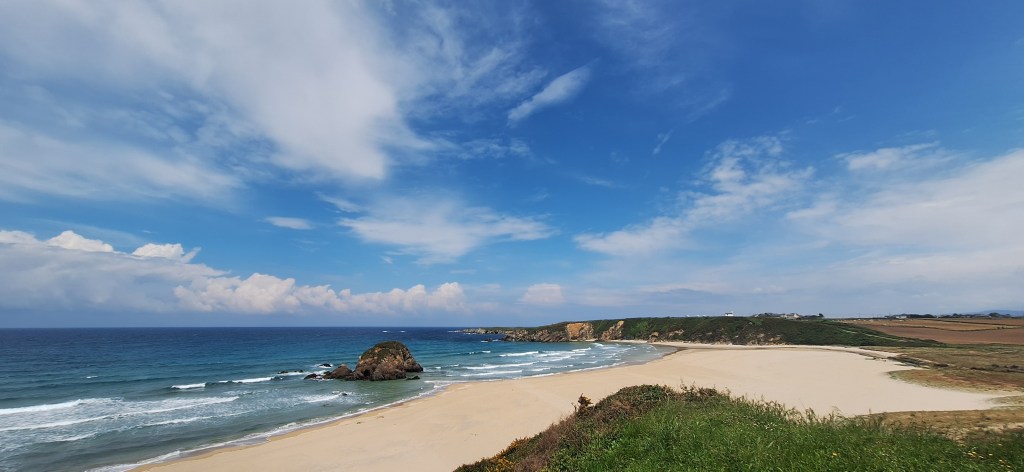
May 1, 2025, was our first day of walking. We started in Gijon and made our way to Aviles. This year, we started on a sunny day. It was a long walk, but less strenous than our first day from San Sebastian last year. We continued to walk along the coast of the Cantabrian Sea.We found pleasant beaches in Salinas, Playa del Aguilar near Cudillero, among others.
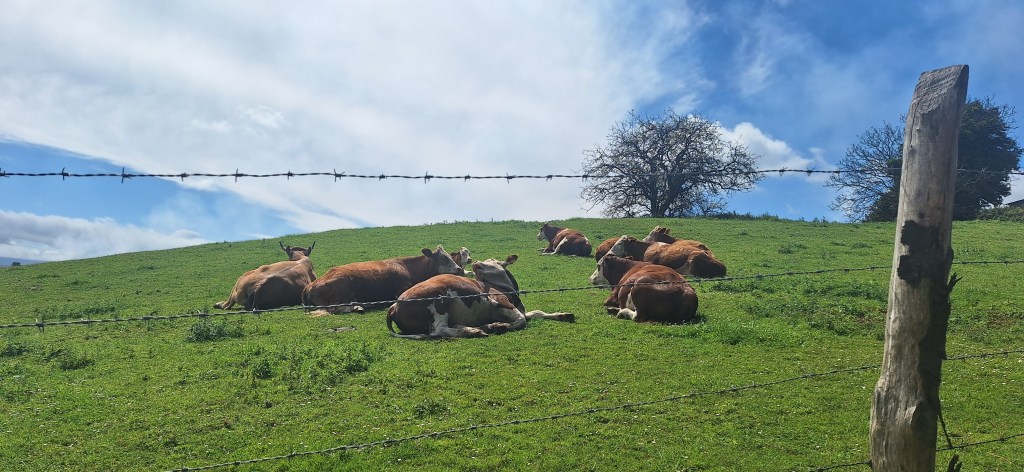
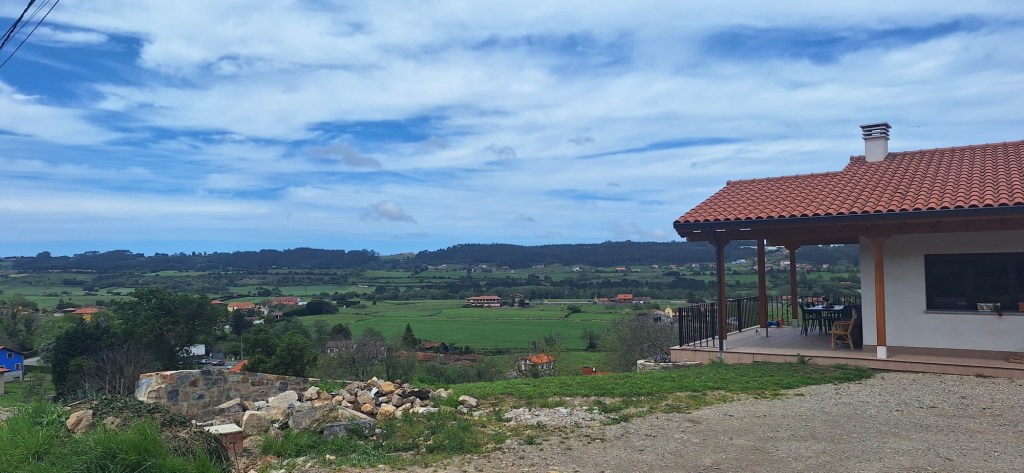
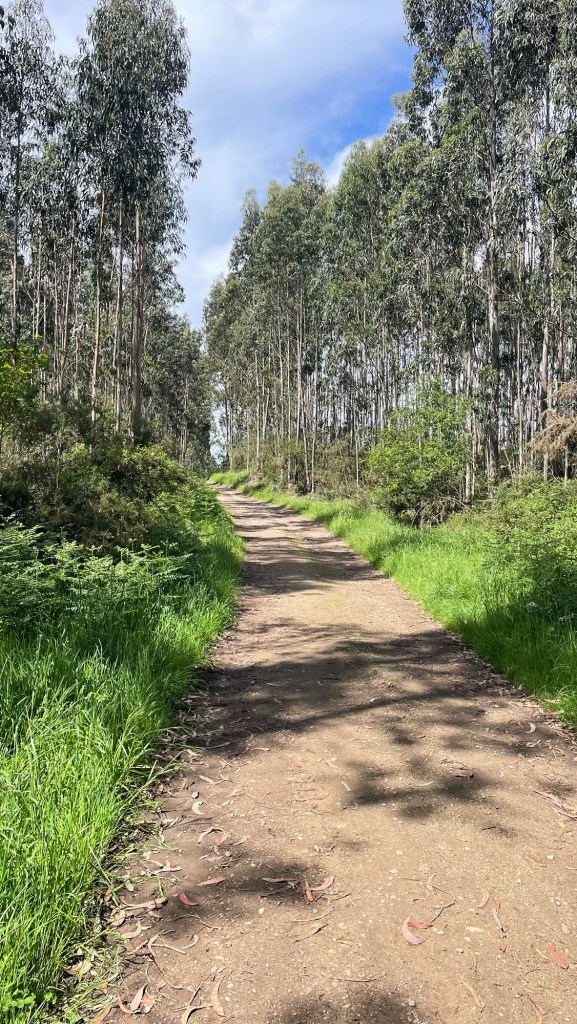
The walk meanders among pastures, forests and fields, with sheep, goats and cows grazing peacefully. Along the way, many houses in the small villages had small vegetable plots, with potatoes, cabbage, white beans and other crops. Crossing the landscape, we could not escape the pungent smell of manure emanating from the fields and animals around. We got relief in the eucalyptus forests, especially when the rain drizzle enveloped us. We walked through mud, asphalt, grass, gravel, and water as we traversed Asturias.
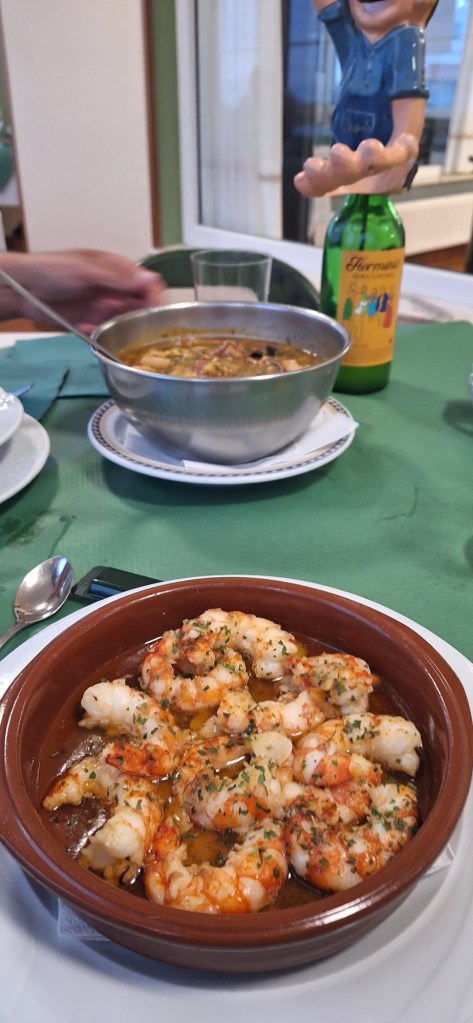
Asturia is for seafood lovers. We looked forward to a steaming bowl of fabada Asturiana, a mouthwatering plate of jamon serrano, the succulent and delicious garlic shrimp, all washed down with sidra.
A village in the Asturian countrysideEucalyptus forestcorn drying at hometaking a break to playPlaya del Aguilar, beautiful beachsardines, delicioustypical Asturian lunchSnails enjoy the wet climate