Scotland is a land of contrasts: forests, lochs, mountains, snow, and windswept plains. The land is manicured and ready for a movie. We travelled across the Highlands, encountering dramatic landscapes, farm lands, pristines coves and meandering rivers. We crossed the islans by ferries, causeways and bridges. We found friendliness, laughter and a wee dram ( or a nip) of whisky ready to be shared.
The people have a rich history, evident in its castles, battlefields and monuments. Neptune staircase in Fort William, part of the Caledonial Canal, is a feat of engineering and ingenuity.
Neolithic presence in Orkney, evidenced by Brogar circle, shows us that these lands have been hosts to humans for thousands of years.
The richness of the tartan textile designs, linking families and clans across time, is unique to these country.
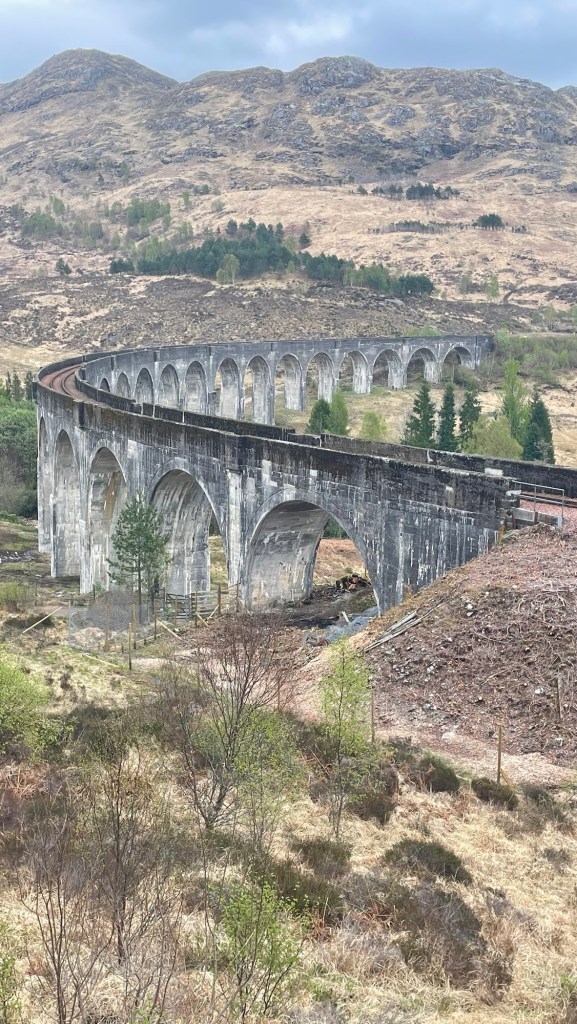
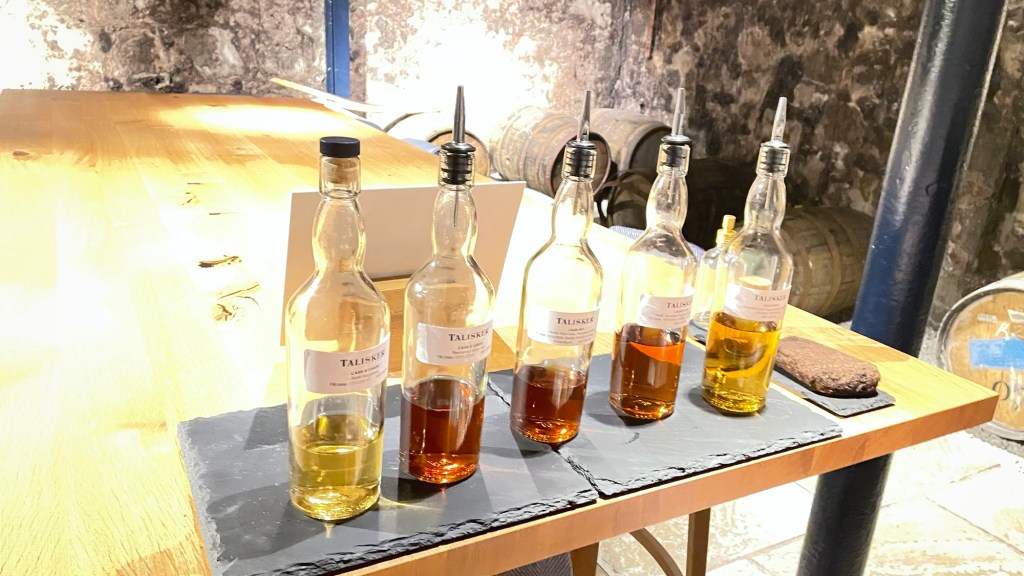
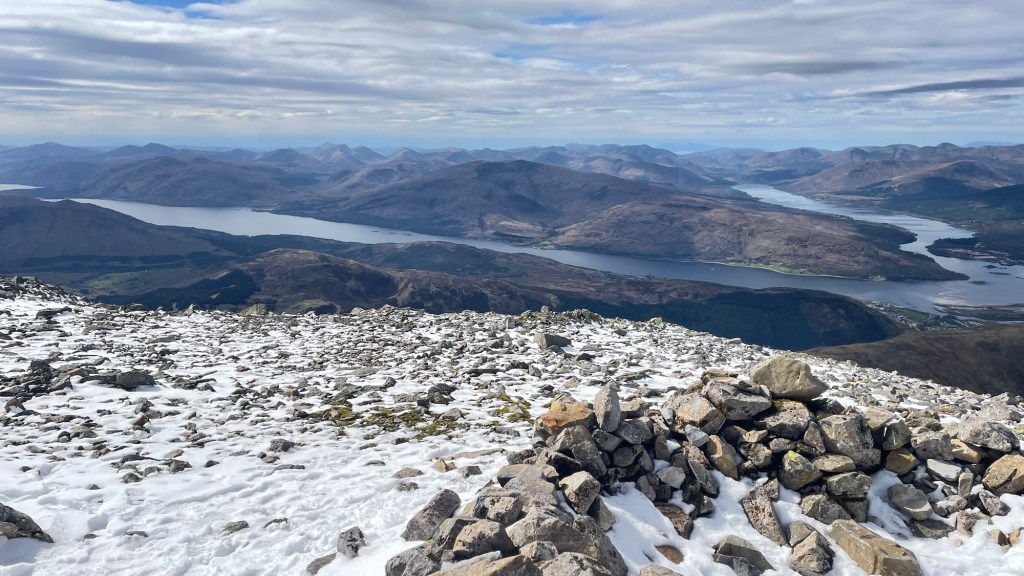
Glenfinnan viaduct, famously known from the Harry Potter seriesCask tasting at Talisker, Skyeview from Ben NevisSeafood platter, Orkey islandsNeolithic stones at Brodgar circle
Navigating the Neptune Staircase, Fort William
Tips
Look left, look right. Narrow roads with designated passing places means longer than usual travel times.
Seafood is abundant and fresh. Try Oysters in Islay.
Ask for a driver’s pack when doing a distillery tour and tasting.
Confirm accomodation in the islands before booking ferries.
If you are driving, make sure your ferry carries cars. Book in advance if possible.
Spring is an amazing time to visit London. We love the energy of the city, awakening up from winter and with just the right mix of nature and human activities. Walking is a must do activity: gardens, waterfront, pubs, museums and much more invites you to take a stroll without a clear destination. A city full of surprises, from modern to ancient architecture, perfect English gardens and afternoon tea, Londoners have much to share and be proud of.
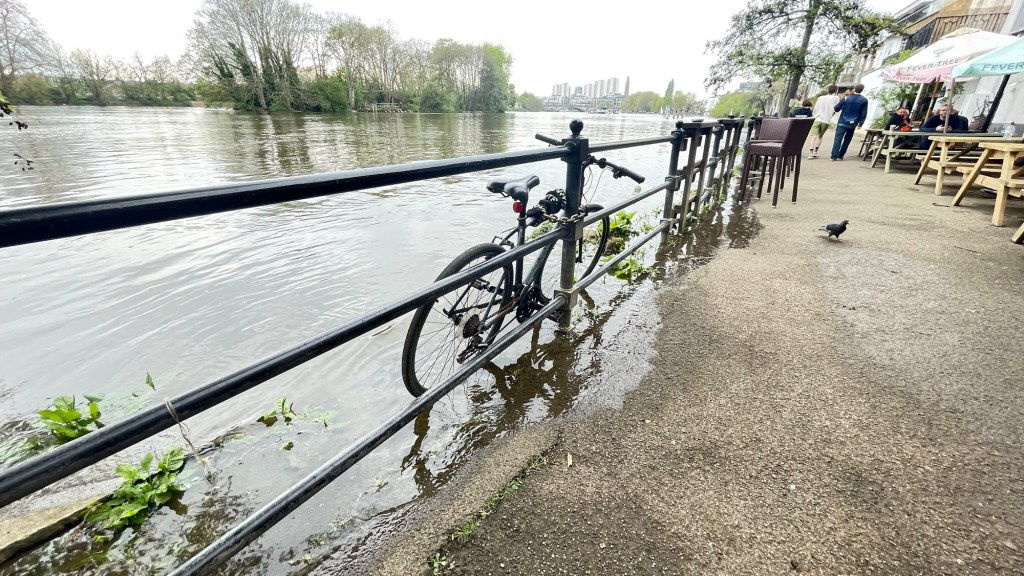
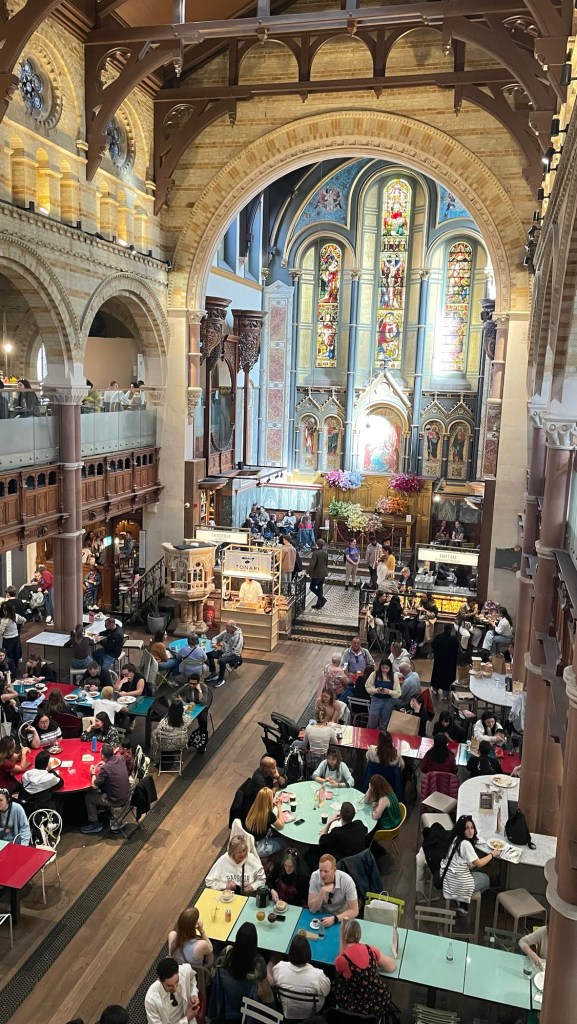
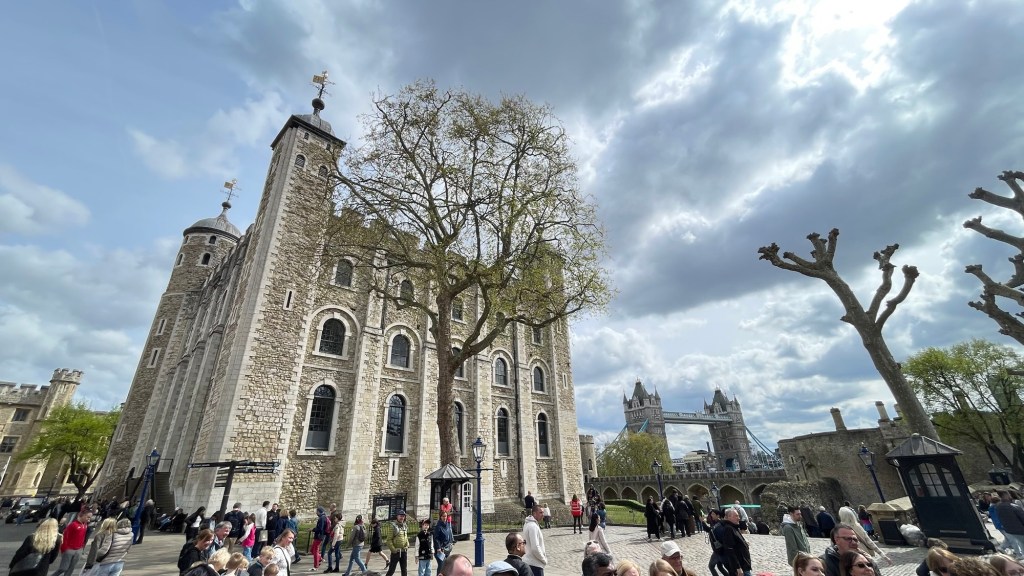
Life on the Thames RiverMayfair market is a gem in the cityLeadenhall MarketInner Temple Crusaders ChurchTower of London guideTower of LondoTill Nexn
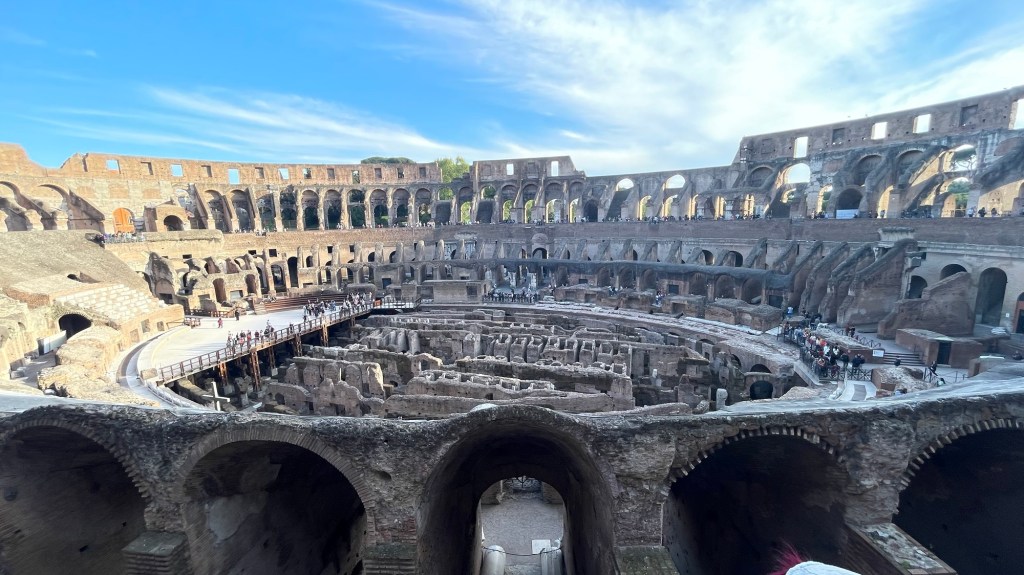
Rome, the eternal city, an endless parade of history, architecture and beautiful spaces like The Colosseum, the Parthenon, the Roman Forum, Sistine Chapel and many gardens.
To enjoy Rome, get ready to walk, stop, turn and delight in unexpected sights.
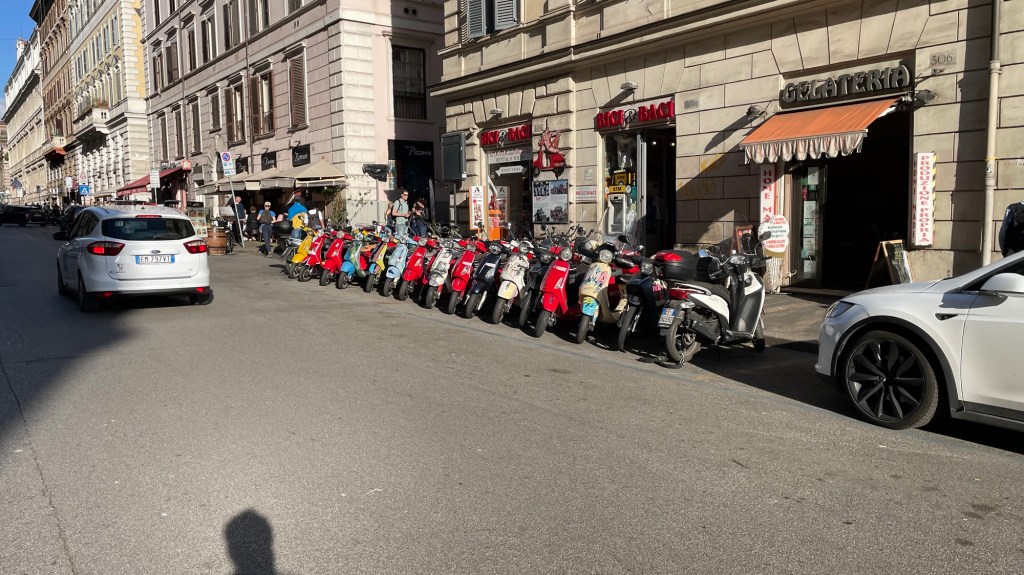
Don’t skip the classics, yet venture into nooks and crannies for many surprises, from butcher shops to markets, bars, gelato and leather shops.
Roman cuisine offers an array of tastes, flavors and smells. Of course you must try all the pizza and pasta that you can muster. Favorites are caccio e pepe, carbonara and eggplants.
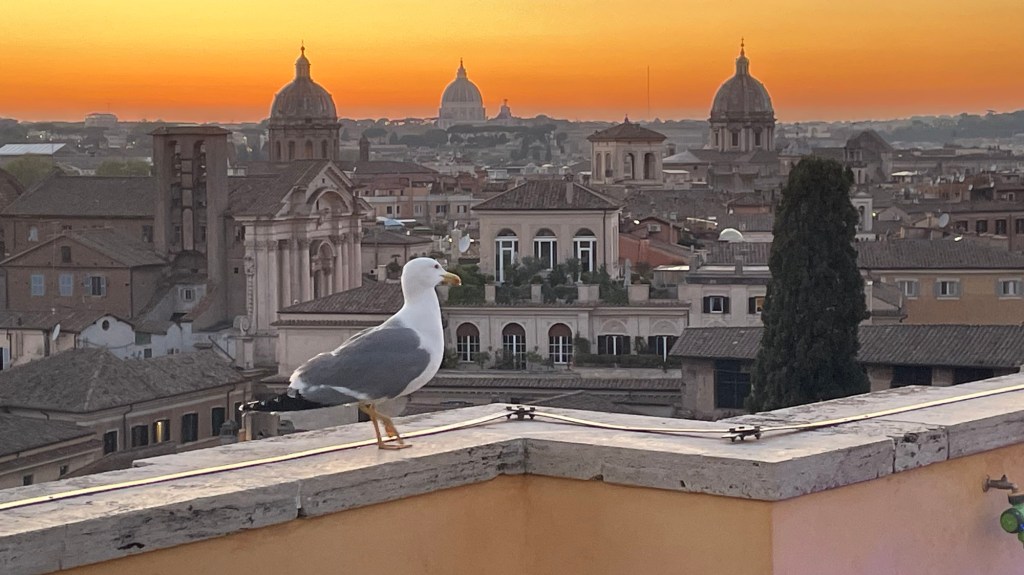
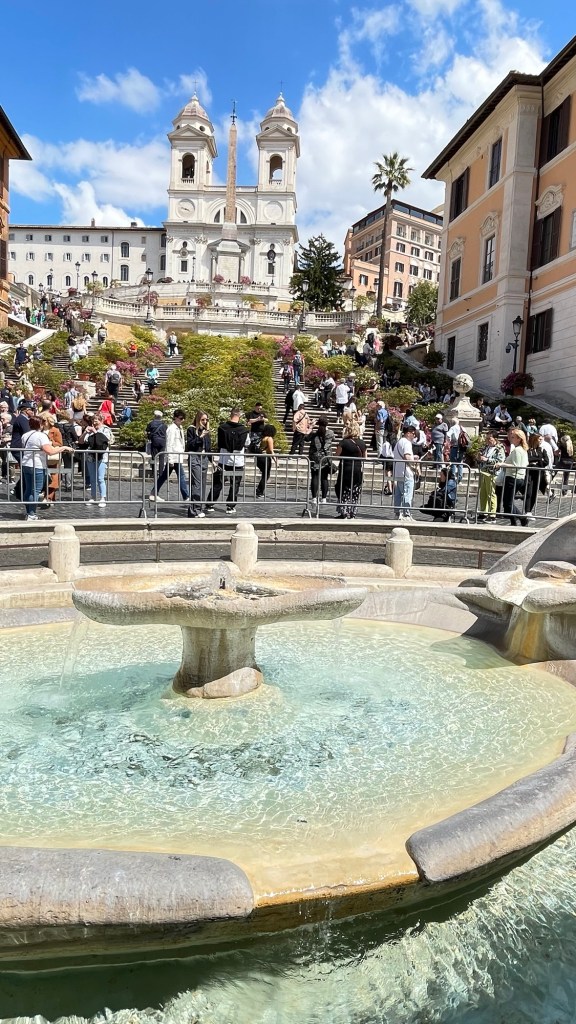
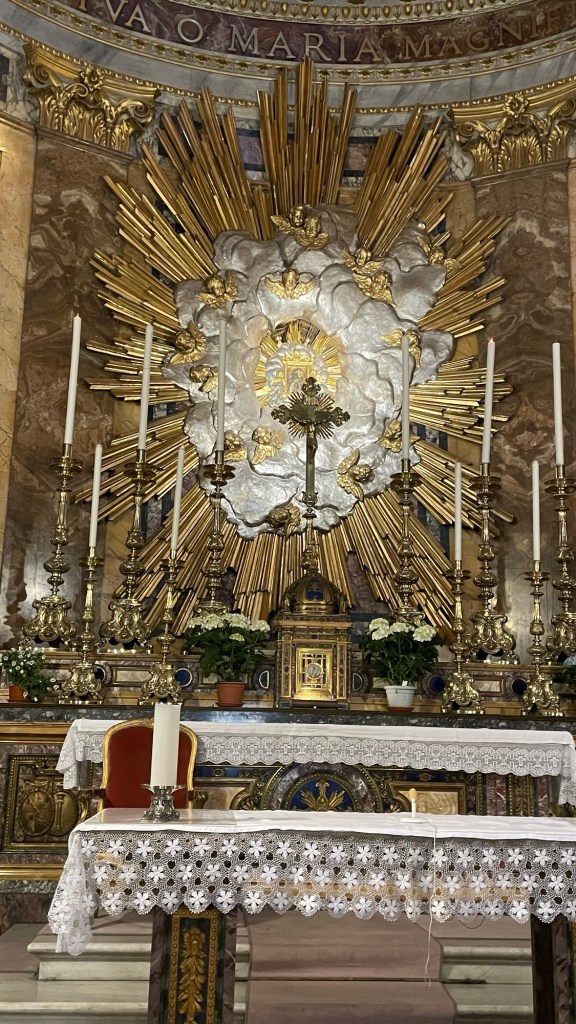
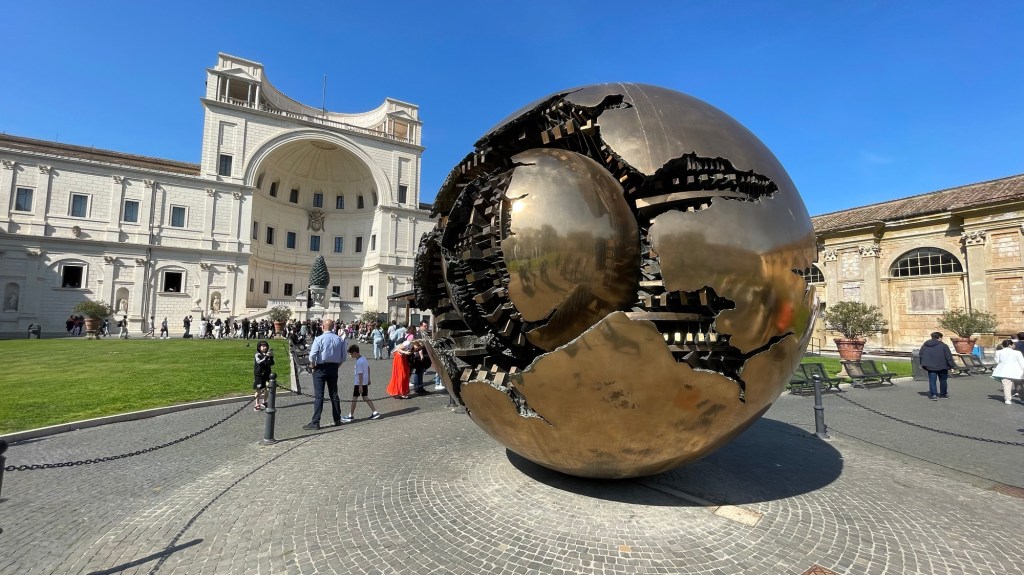
Trevi fountainSunset in RomeSpanish stepsSt Mary of the victory churchRoman specialtiesBest way to move aroundVatican sculpture garden Colosseum Sistine chapelVatican museum
Tips for Rome
Check the reviews of your desired Airbnb before booking to avoid stress and surprises
Outdoor markets in the piazzas are great places to explore and taste local fare
Some shops selling Italian leather may carry something else….. be sure to purchase leather goods carefully
Only take official taxis from the airport, or the metro
Naples, Pompeii and Amalfi Coast
Naples is a bustling, chaotic and interesting city, in the shadow of Mt. Vesuvius. We had one of the best pizzas here, in a small restaurant filled with Maradona imagery.
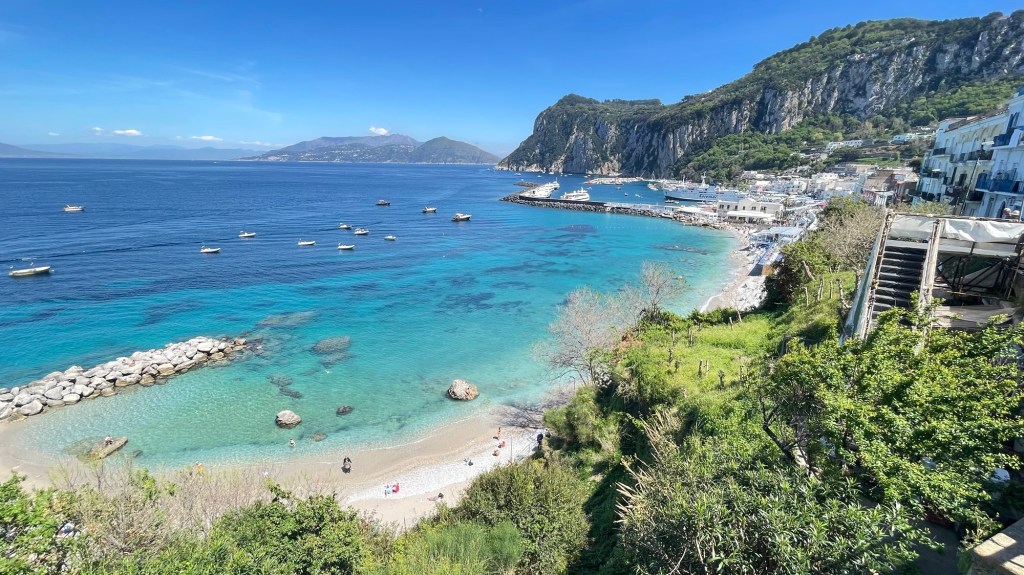
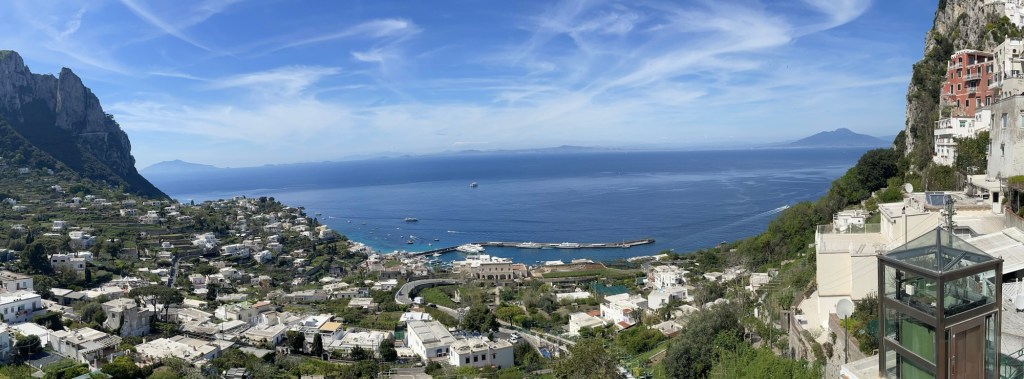
We drove from Naples along the Amalfi coast road. We stayed at the following places: hotel eden in Sorrento and an Airbnb in Atrani. From Sorrento, we took the ferry to Capri for a day trip, but tickets early and be on time, you can walk or take a taxi to the ferry. There is an amazing cable car in Capri, the hike is nice as well.
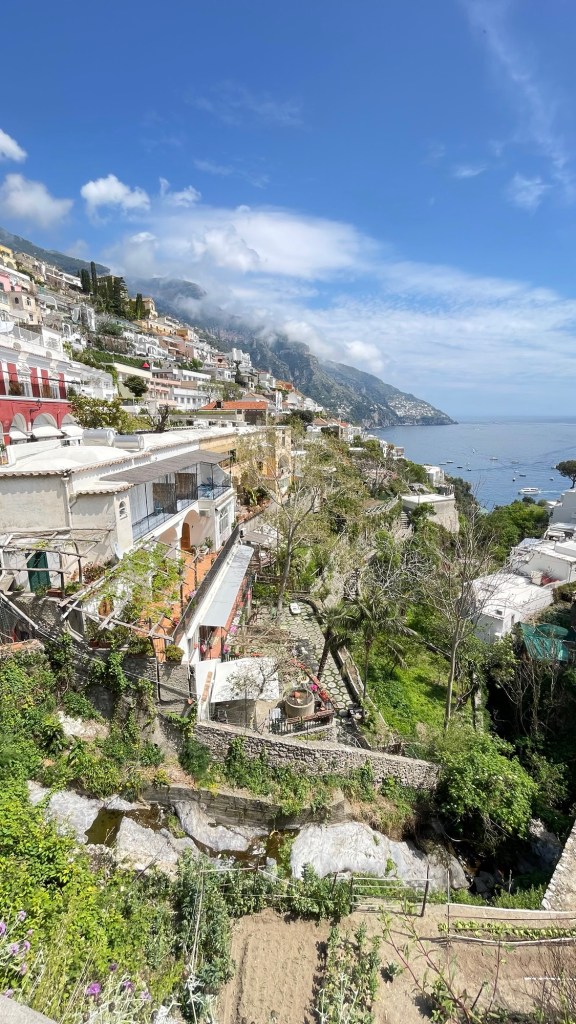
We loved Positano, lunch overlooking the sea is amazing. Atrani is a quiet town with a nice beach, very steep streets and an quaint and interesting piazza.
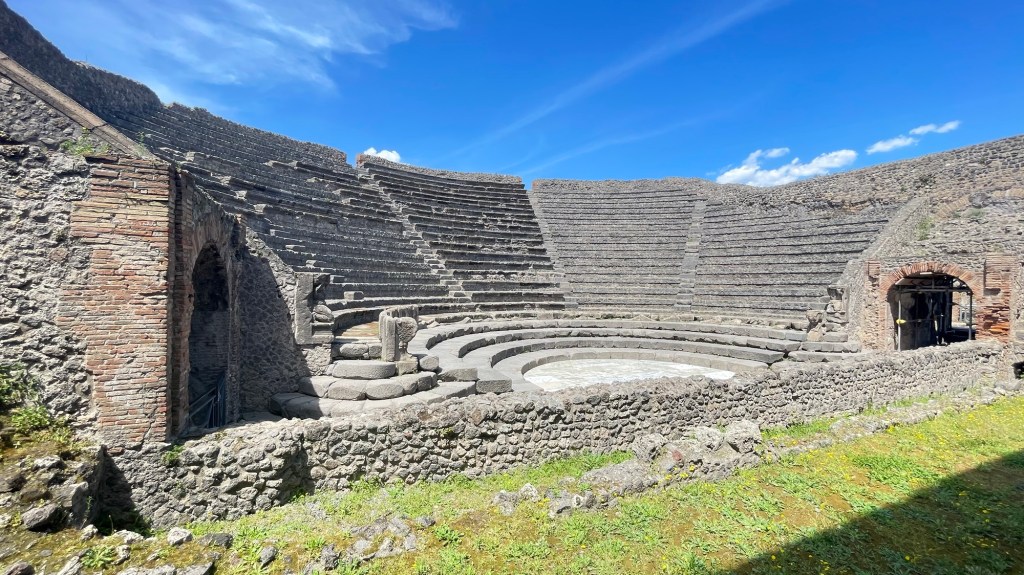
Since we drove from Rome, we stayed one night near Pompeii, and visited the ruins, highly recommended.
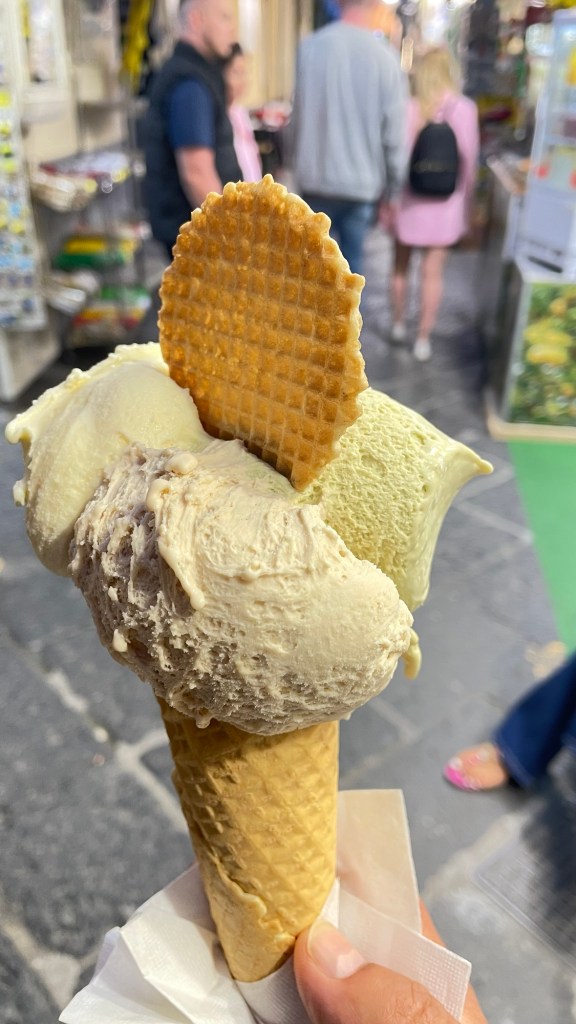
PompeiiPompeii amphitheater GelatoAnchovy pizzaCapriCapri from cable carAtrani beachView of Positano
Tips for Naples and the Amalfi coast
Driving in Naples is challenging….
The Amalfi coast is a joy to drive. Give yourself time to slow down and enjoy the views.
Pompeii is a full day visit, totally worth it
Sorrento is a great base for visiting Capri and a marvelous town on its own
Positano and Atrani are places where you can relax and enjoy the food and views
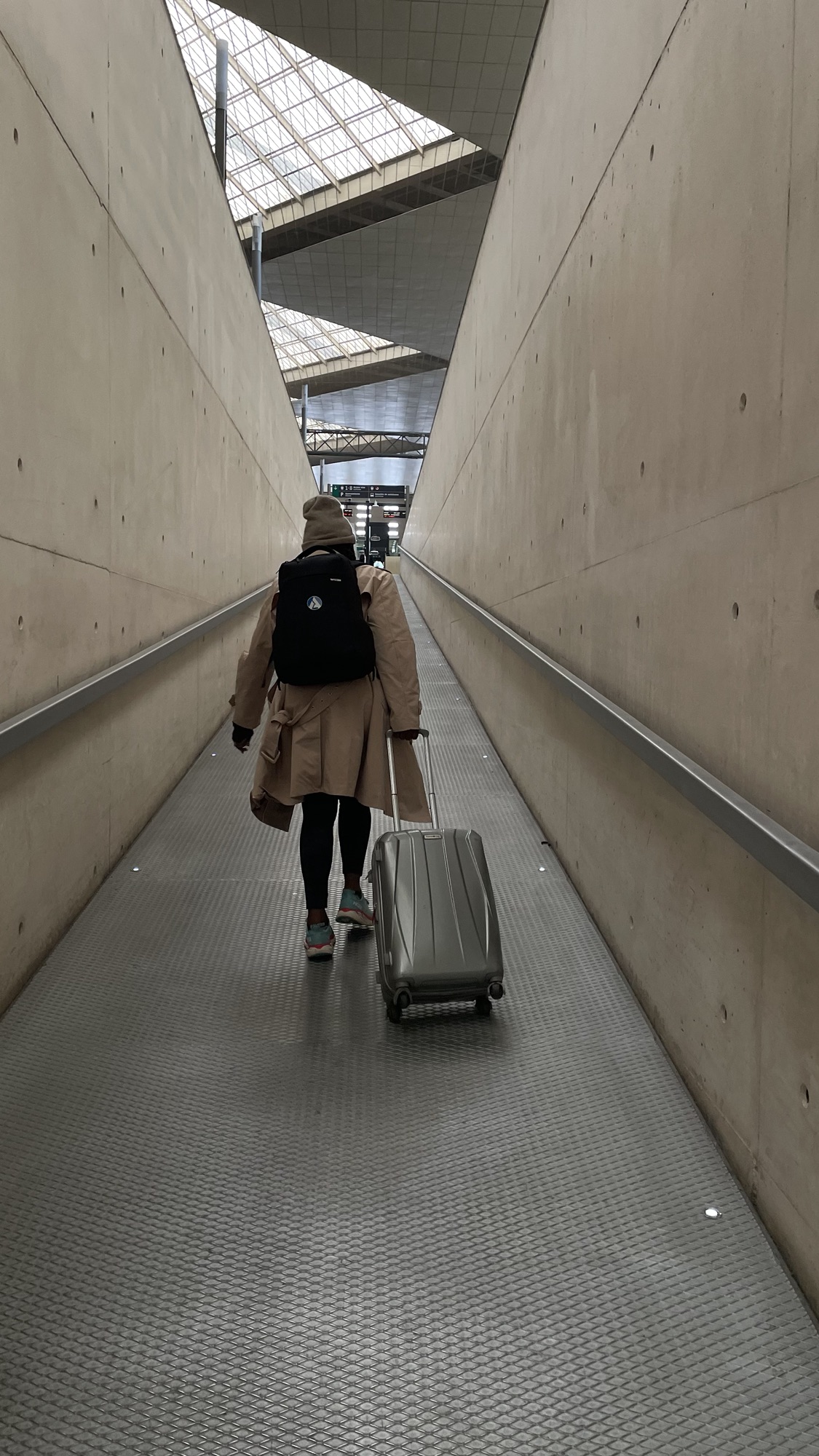
Madrid is the capital of Spain, it is a transportation hub and political center. We started the trip to the Rioja region in Madrid by train. We travelled on a train from one of the new companies in the market, Iryo. The ride was fast, reaching speeds of 300 km/h, and comfortable.
La Rioja is one of the main wine regions of Spain, its red wines are known globally. There are centuries old wineries, with impressive facilities and a rich tourist circuit. The Museum of Wine Experience, is unlike anything you will see anywhere and it is dedicated to knowledge and history of wine making.
Logroño is the capital city of the autonomous community of La Rioja. Founded on the shores of the Ebro river, the city has been around for a very long time, starting with the Romans. It is at the very edge of La Rioja, so you can easily cross into Navarra or Basque Country by roads. Logrono is located in a valley, surrounded by wineries and vineyards, and just 1.5 hours by road from Bilbao.
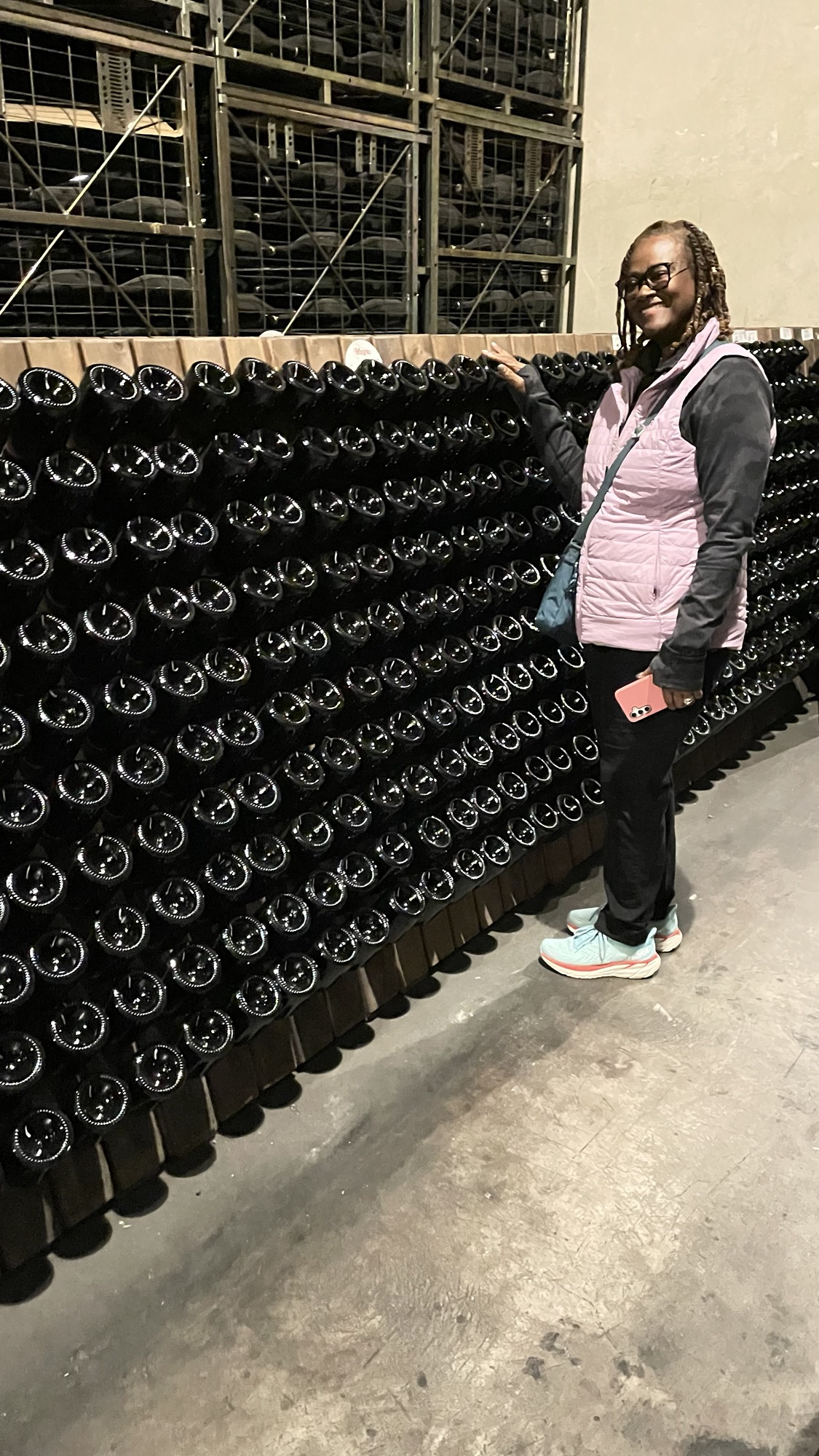
We visited 3 wineries, each one very different in location, size and character. Well known winery Muga, located in Haro, has an excellent tour and tasting. You get to wander among their barrel rooms, see how they make their own barrels, even the oak they buy from France and the US, I highly recommend a visit.
We next visited Viña Tondonia winery, (R. López de Heredia). It has an impressive and exquisite tasting area and a stand that was designed for the World Fair with a decanter-shaped metal building that protects it. The last winery was Campo Viejo, just a 5 minute drive from Logroño. It sits high on a plateau, surrounded by vineyards and the nearby mountains. Most impressive is its underground cellar that holds about 70,000 barrels, each of 225 liters. The room size is staggering, yet 2 people are in charge of moving all those barrels. It is an excellent place to have wine mature and gain character.
Of special mention is the Vivanco Museum of Wine Culture. Its rooms display artifacts about all stages of wine production, from field tools to oversize grape crushers, amphorae, and the largest collection of corkscrew openers in the world. The on-site restaurant has great food and impressive vistas.
Traveling by trainWine cellar @Muga
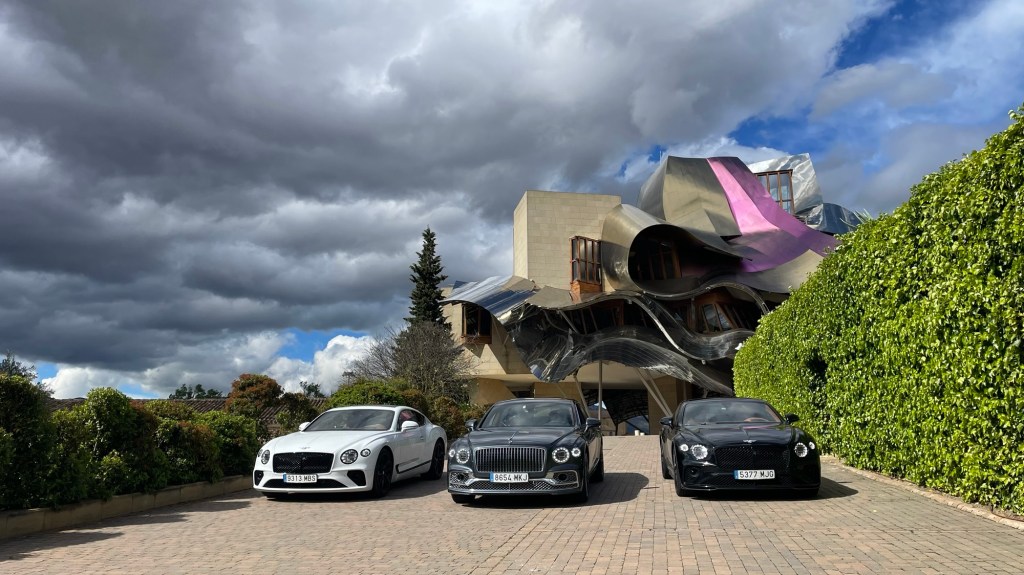
We visited the Frank Gehry-designed restaurant at the Marqués de Riscal Winery. Located in Elciego/Hiribidea, the winery is well known for its production. The building resembles a lot the Guggenheim museum in Bilbao, yet its location and colors that remind of red wine are well worth a visit.
Marqués de Riscal
The landscapes of La Rioja was a surprise to us, its meandering roads took us through quaint villages, ancient ruins, soaring cliffs, and imposing vistas. You could spend a lifetime hiking these hills and discover new places each time. The extensive vineyards, stretching for miles around, make this vibrant region an economic powerhouse and wine lovers dream.
Campo Viejo wineryView from a 13th century castle
Cuisine
Logroño is famous for its tapas/pintxos. One unusual feature of a ‘pintxo crawl’ is that each shop specializes in one type of pintxo, like mushrooms, tortilla or seafood.
Tips to visit La Rioja
1. Fly into Bilbao and take the train to Logroño. With more frequent trips, it would be faster than taking the train from Madrid.
2. During the summer tourist season it could get quite busy. Book your winery tours and lunch in advance.
3. Logroño is a part of the French Camino de Santiago. You could make it one of your stops on the way to Santiago.
From Malaga driving southwest, the Mediterranean lies to the left and the hills of Andalucía to the right. The highway crisscrosses some of the famous towns in the Costa del Sol: Marbella, Mijas Costa, Estepona, Puerto Banus, Ojen and more.
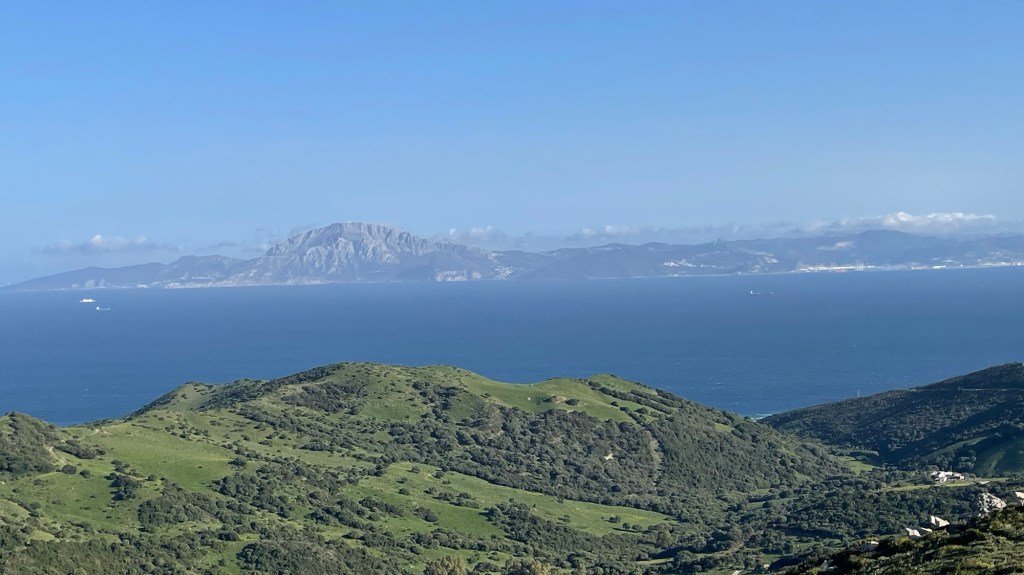
Tarifa lies further south, just after Algeciras and at the end of a magnificent climb through hills where windmills line the vista like cars on a motorway. The Atlas mountains of Morocco are visible from Tarifa and Algeciras. This mix of seas and mountains, and the feel of the winds coming from the Atlantic, on a sunny spring day, makes for an unforgettable road trip.
View of the Atlas Mountains across the Mediterranean on the way to TarifaSand dunes outside TarifaView of the Atlantic with the Atlas mountains in the background
Tarifa is regarded as a kitesurfing paradise. With its wide beaches,sustained and powerful winds, makes the weather a perfect combination for surfing. In Tarifa you can easily catch a ferry across the Gibraltar Strait for a quick trip to Tangier in Morocco. At the end of Tarifa both the Mediterranean sea and the Atlantic ocean is visible just by turning your head from side to side, to the left is the Mediterranean, to the right is the Atlantic.
Just outside of Tarifa towards, Cadiz, you are simply suddenly amazed by the presence of large sand dunes. You can drive by for the views of the sea and hills from your car, stop and take amazing pictures or simply indulge yourself in the mesmerizing landscape, enjoying the Mediterranean breeze.
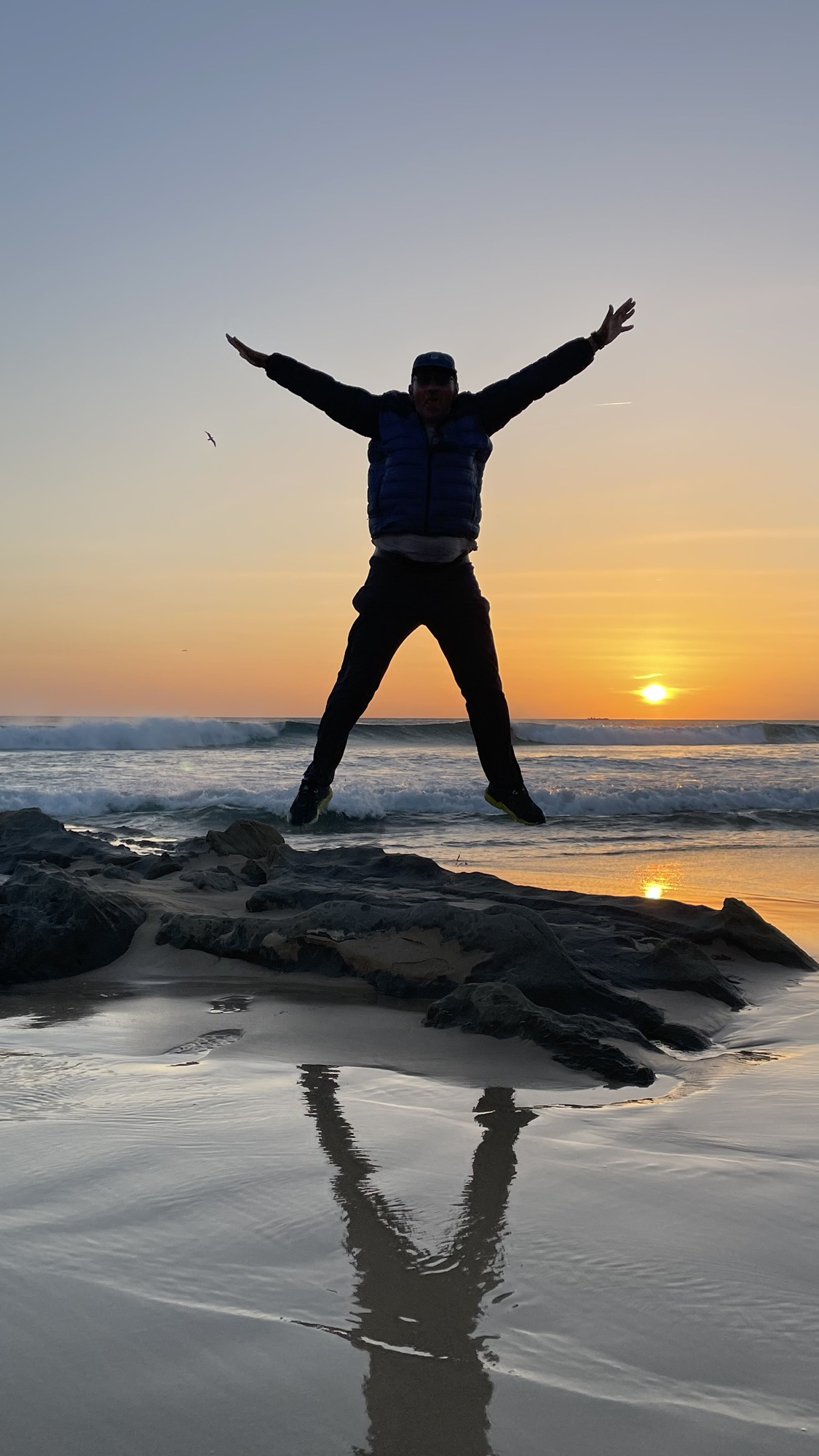
Tarifa feels like an outpost..a very interesting one. It seem to lie at the very edge of the land. A place where two large bodies of water meet for a rendezvous with big skies, colorful sunsets, and a view of the inviting Atlas mountains across the strait.
Cuisine
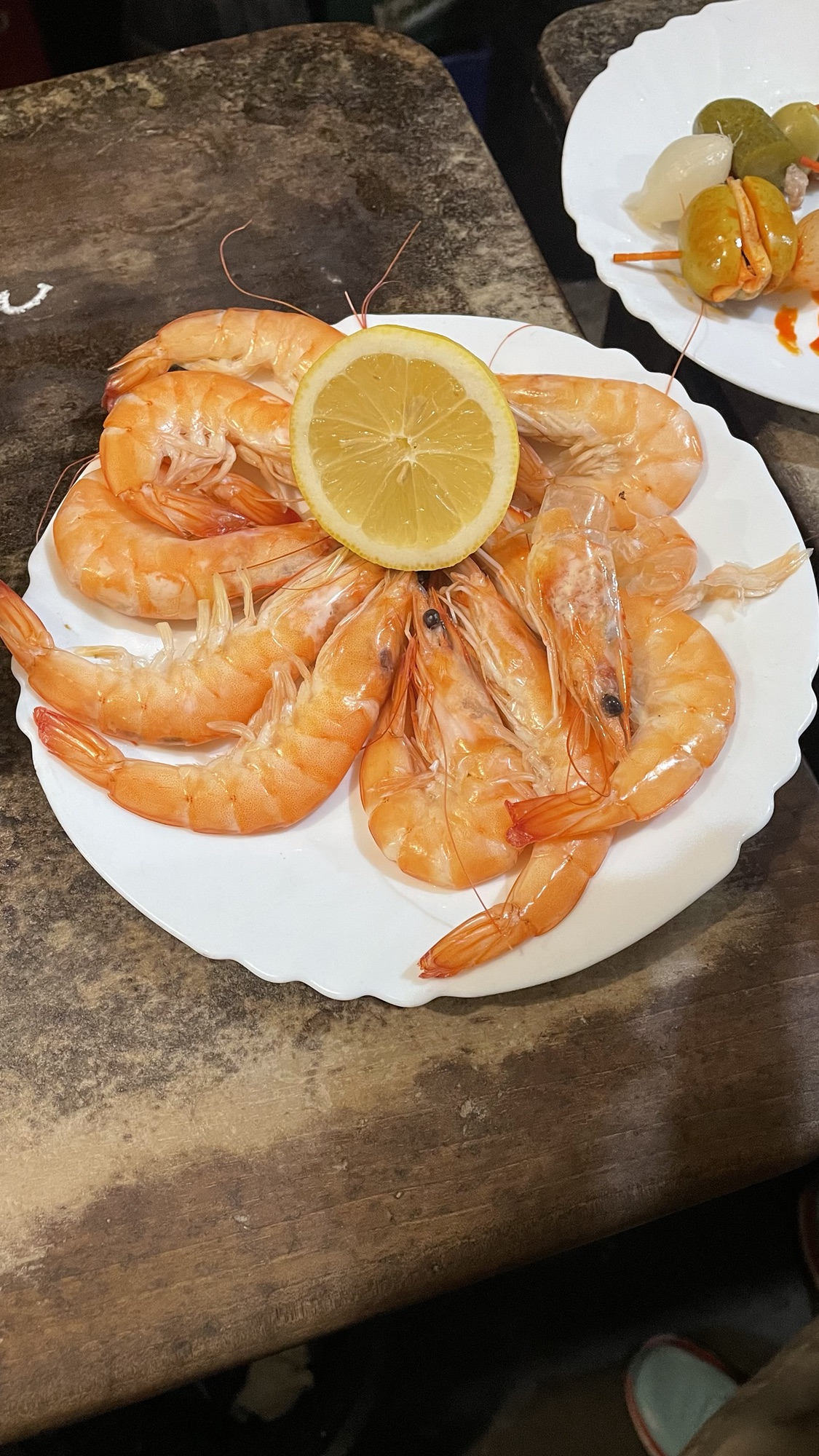
Seafood is a cornerstone of the Andalucian diet. Most common are grilled sardines at the beach, shrimp, cod, and other crustaceans.
Jamón ibérico or serrano, together with local cheese are common dishes that pair well with local vermouth.
You will find several popular local sweet wines.
Beaches
From Malagueta to Tarifa, there are myriad beaches for all tastes. Some pf our favorites are Malagueta and Mijas Costa and Benalmádena.
TarifaMalagueta
Tips
1. Make time to visit Gibraltar. It is a fascinating place, this massive mountain jutting out into the Mediterranean. Climb with the cable car or the Mediterranean steps and enjoy the flora and fauna and 360 views that surrounds you and remember to catch up on some rich historical facts about this area of Spain.
2. If you drive to the ferry, you may not be able to return your rental in Tarifa, check with the company to see if you will need to return the car in Algeciras.
3. Bring warm clothes for the evenings, it is often windy and chilly after sunset.
We arrived in the port of Tanger Med by ferry from Algeciras, Spain. It was very organized and short crossing of 3 hours 35 minutes. From here we traveled by taxi to bustling Tanger city for €65.
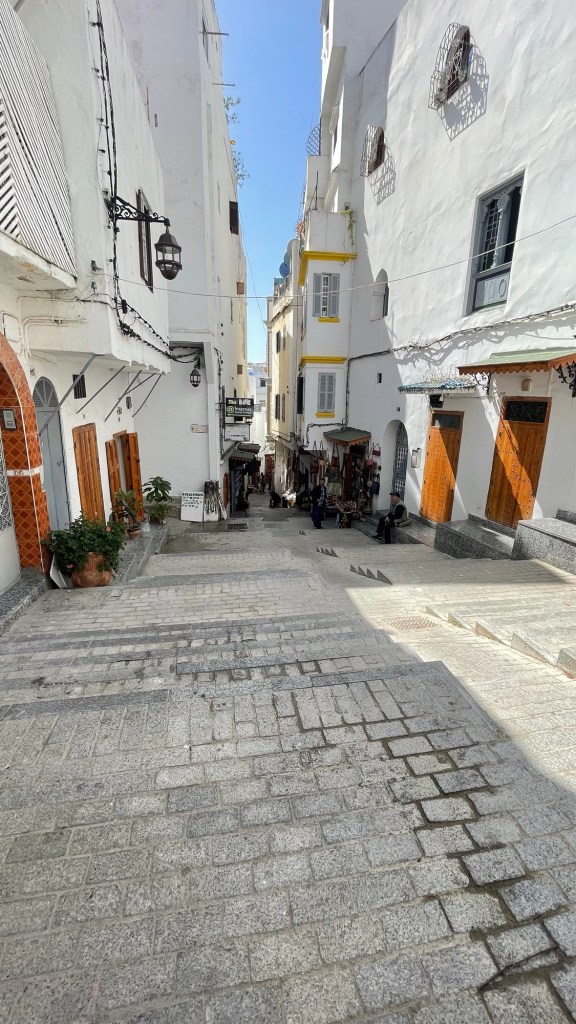
Tangier sits in the Mediterranean, across the straight of Gibraltar from Tarifa and very close to the Atlantic. Its bustling Medina of narrow streets and myriad shops invites you to walk and discover.
Medina alleysShoppingOverlooking the Mediterranean
By car we headed across the Rif valley, skirting around numerous villages and farms at the base of the Atlas Mountains. We drove about three hours to the village of Chefchaouen. We noticed an impressive sea of blue and white buildings hugging the hillside. We parked and climbed up over 100 steps up to our hotel, the smell of roses and Jasmine emanated from everywhere on the property. Chefchaouen is an incredible place to visit for the food and hiking.
Dusk in ChefchaouenView from hotel Dar JasmineThe blue city
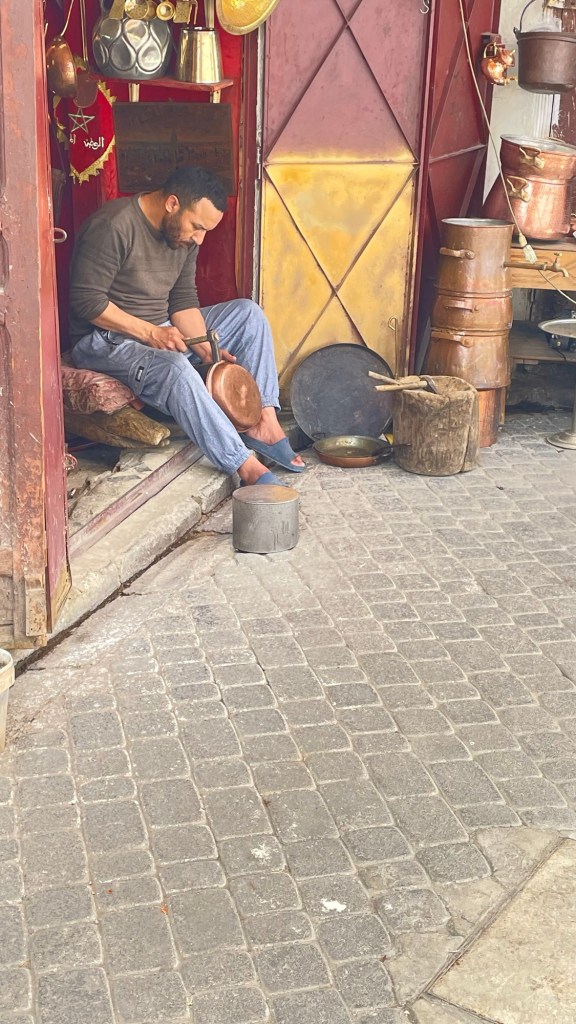
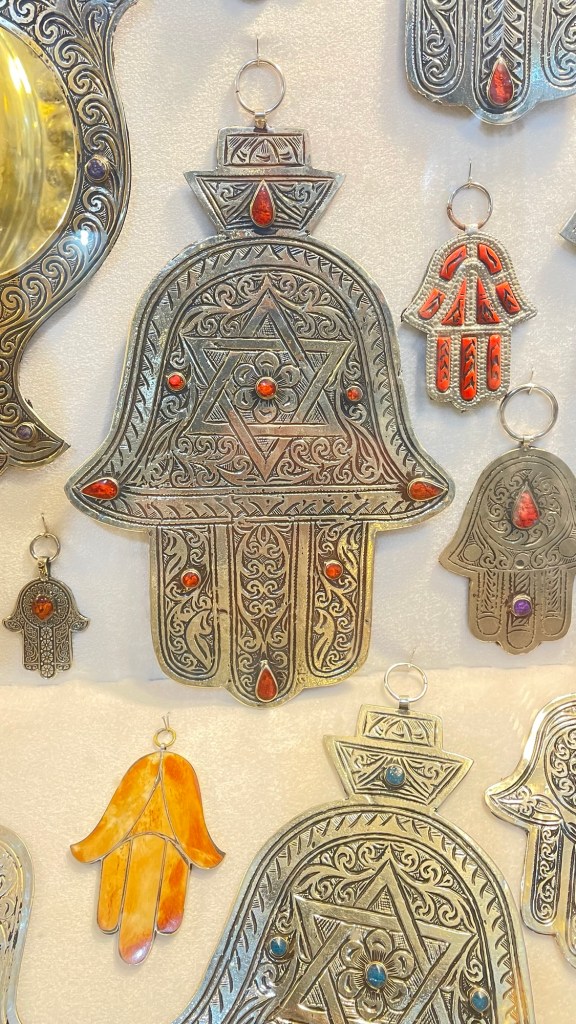
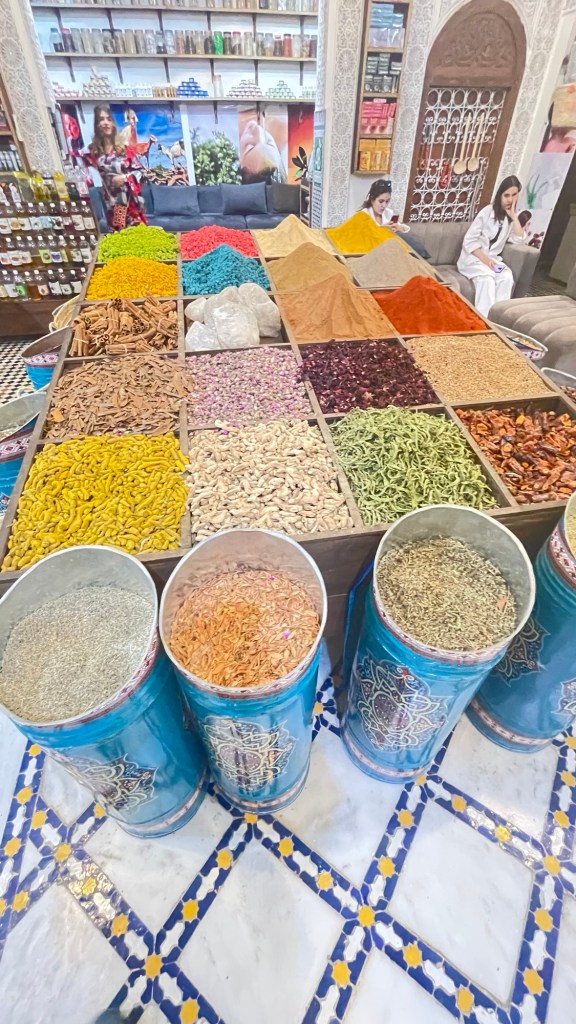
Our drive to Fez was an interesting one. We were stopped several times by the police who claimed we always made driving infractions for which we must pay. They would show us a fine on a big book, reduce the fine significantly then tell us to have a good trip after we paid. On the way we encountered some old customs: donkeys being used for everyday tasks; drawing of water, produce and for transporting people. Fez has the largest and oldest Medina in Morroco. To visit, you will need a tour guide to navigate the maze of shops and alleys. Our guide showed us a plethora of things sold here including the leather and dye factory, numerous carpet, textiles and clothing stores. The best part for us was strolling down dark passageways to emerge at some exquisite shops where we were invited to have mint tea and learn about the Berber people living in the Atlas mountains and their centuries-old weaving talents and traditions.
CoppersmithBerber carpet shopFátima hand motifSpices in the Medina
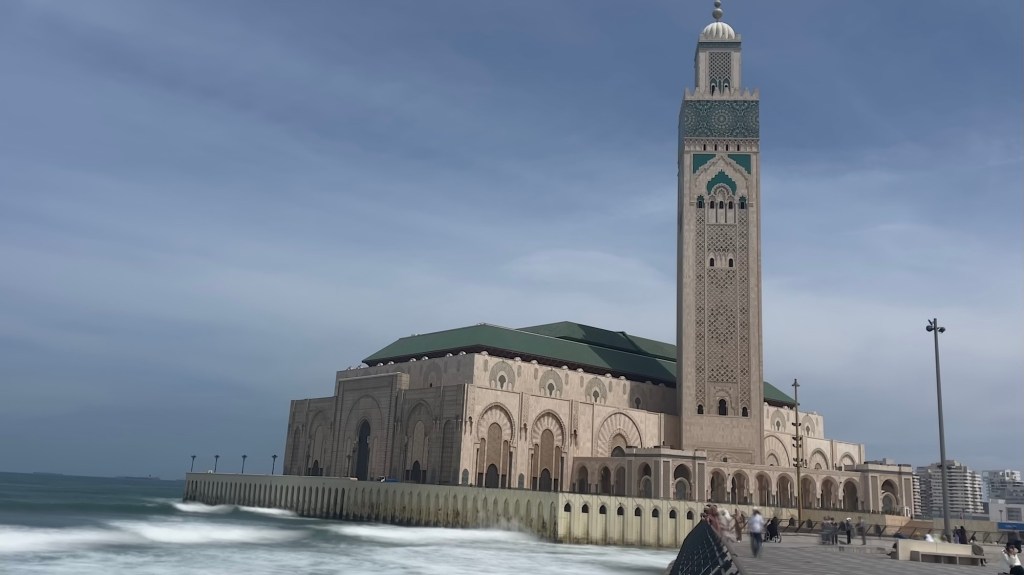
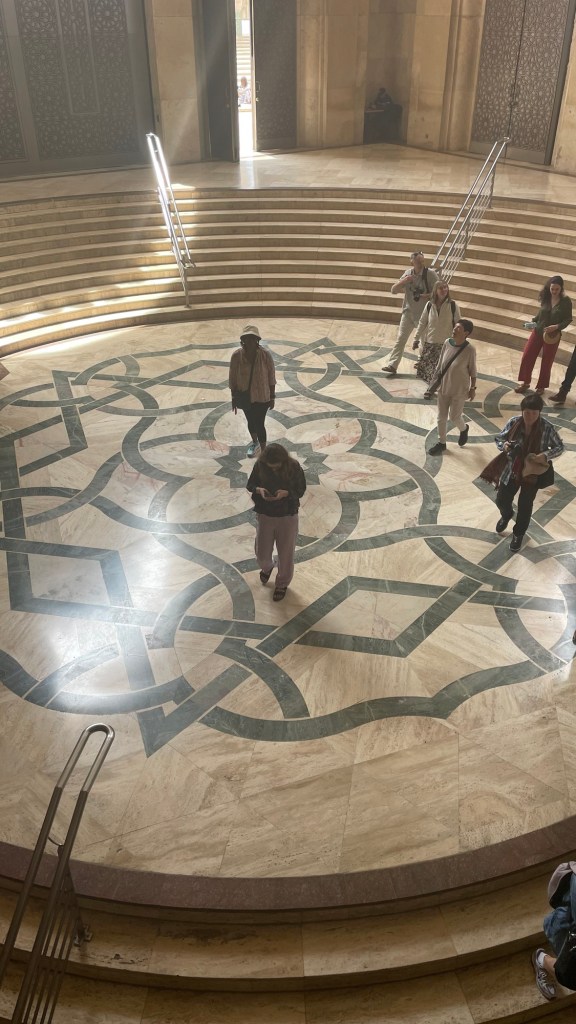
From Fez we continued to Casablanca and Marrakech. Casablanca is mostly commercial and home to the spectacular Hassan II mosque jutting out on the shores of the Atlantic Ocean.
Hassan mosque
Marrakesh was very tourist oriented. The Medina is smaller than in Fez but it is a very busy city.
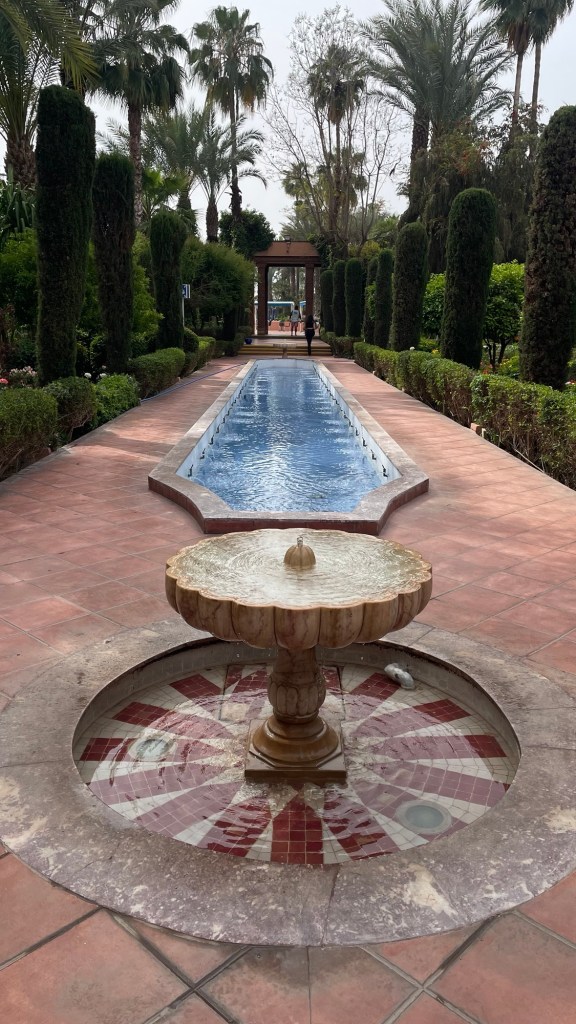
Bahia PalaceFountain at Nfis hotelBahia Palace courtyard
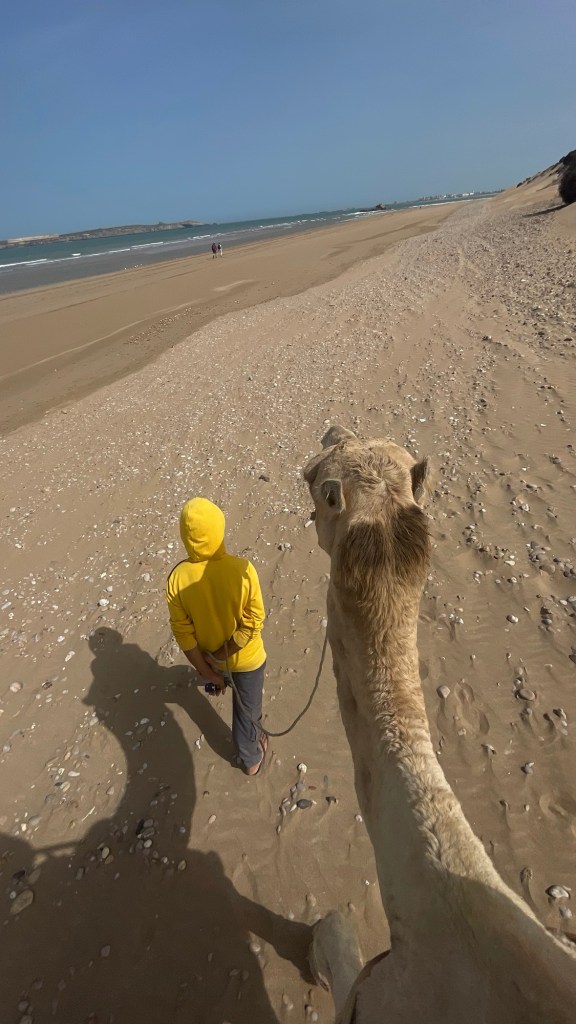
We left Marrakech for Essaouira. Located on the Atlantic coast, this soon proved to be our favorite city in Morroco. With warm days and cool evening temperatures, it was the perfect summer. Many outdoor activities are possible, including city tours, food tours, camel back riding, Quad rides over dunes, sailing, surfing and many more. From Tangier to Essaouira, we found the Morrocan people charming, helpful and welcoming.
Fresh local seafoodCamel ride in the dunesSunset by the beach
Tips for Visiting
1. Do not bring ant types of drones. You will have to pay a fine and you will receive it back as you leave the country.
2. Have local cash ready to pay the traffic cops if you plan to drive. You will also need it to pay tolls.
3. Dress modestly outdoors, especially in rural areas, it’s a sign of understanding and respect.
4. Try different foods. You can be surprised by the culinary creativity of the locals.
5. If you visit any shop and are invited to tea, it means they want to sell you something. It’s okay to politely decline the tea.
We say Jamaica and we think excitement, chill, great food, culturally rich and up with amazing positivity. This island stands out not only for its athletes and music but also for the relaxed atmosphere that surround and embraces your soul.
After arriving in Montego Bay airport we headed directly for the RIU resort Montego Bay. Only 10 minutes ride away, you are immediately immersed in the islands vibes. The property is large as it is three hotels located near each other, RIU Reggae, RIU Montego Bay and RIU Palace. Lots of people and noisy but we love to stop here just to catch the island vibes.
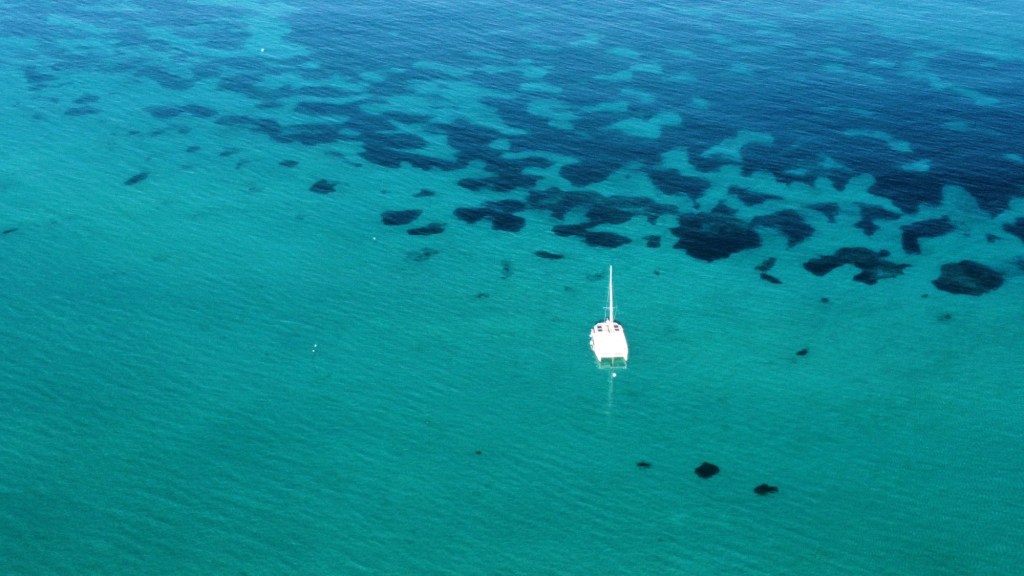
Sunset in NegrilClear Caribbean watersGreat fruit selection
We spend time deep in the cockpit country in Trelawny rediscovering the tiny village in which I was born. Still remote but no longer the sleepy quiet place I remember. The vistas more magnificent than I remembered and still a lovely cool part of the country.
The Hiils of TrelawnyBamboo avenue
Kingston, as always has many surprises. From the hills of St Andrew you can mostly se all the way to Port Royal and the new shipping terminal. The dining experience varies but a few restaurants we visited had excellent food, beverages and service. The Tap House and Peppathyme on the grounds of the Constant Spring Golf course and Uncorked too located in the Town Center Plaza on Constant Spring road.
Hills around Kingston
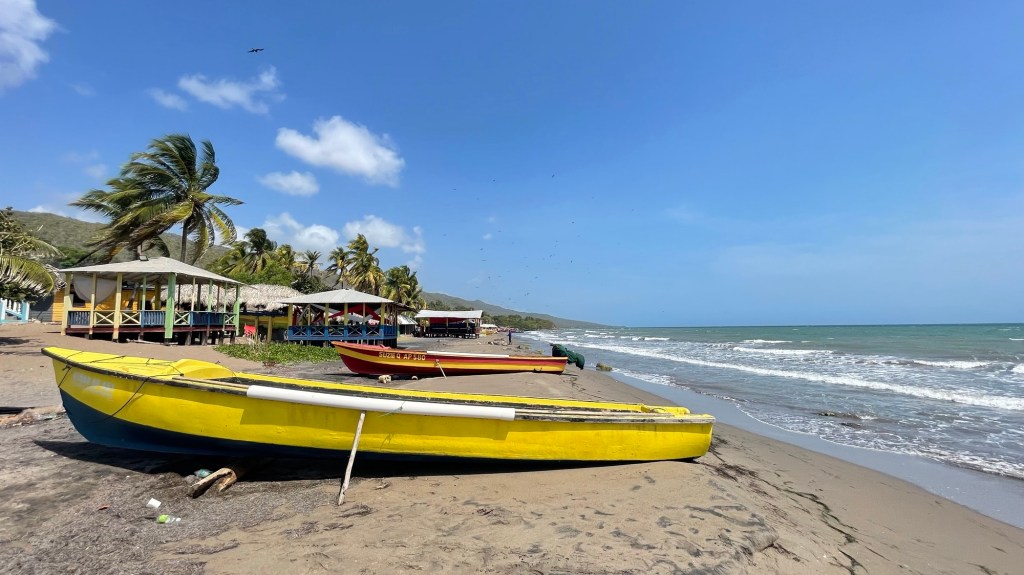
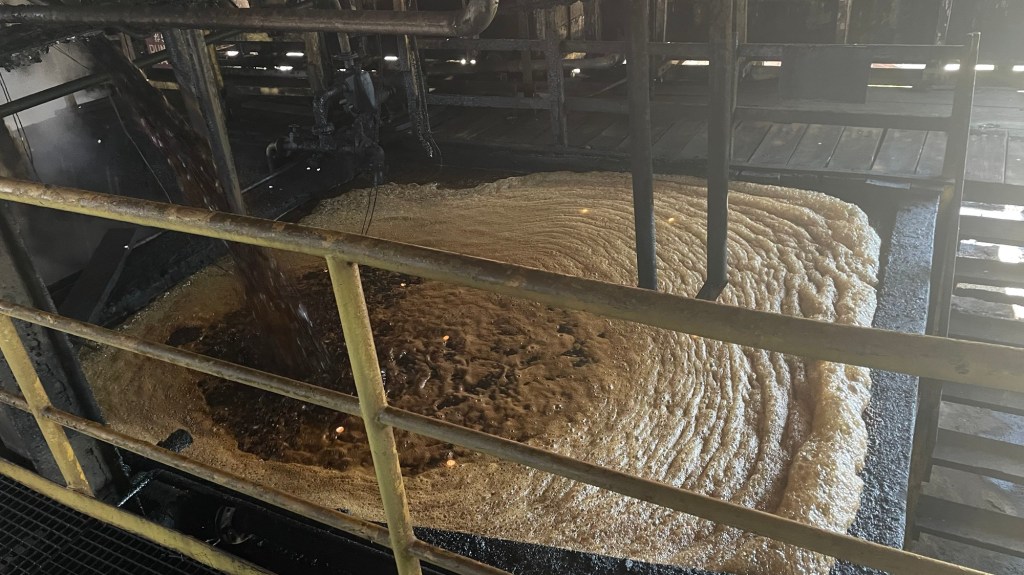
This visit we went to Little Ochie in Manchester for fish and festival by the beach, low key and enjoyable place. The highlight of our trip was a visit to Hampden Estates in Trelawny. Hampden is the home of the famous Rum Fire and several aged versions. Tucked deep in cockpit country it is a challenging drive to get there as drivable roads are barely existing. However, the tour and lunch experience we had was well worth the uneven, bumpy and pothole ride to get there.
Hampden Great HouseLittle OchieRum fermentation at HampdenCaribbean ChillCaribbean watersLittle Ochie
Tips for your trip to Jamaica
1. Complete the no hassle entry paperwork on line. It makes your entry easier.
2. If you drive have adequate local cash (~$2000) for the tolls.
3. Be on lookout for aggressive drivers. They are everywhere. Avoid night driving if possible.
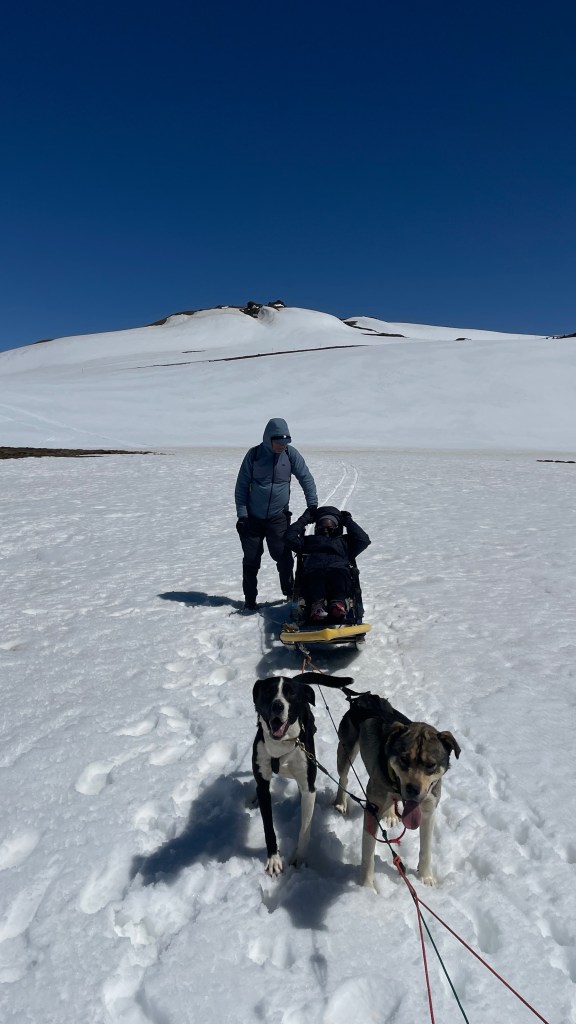
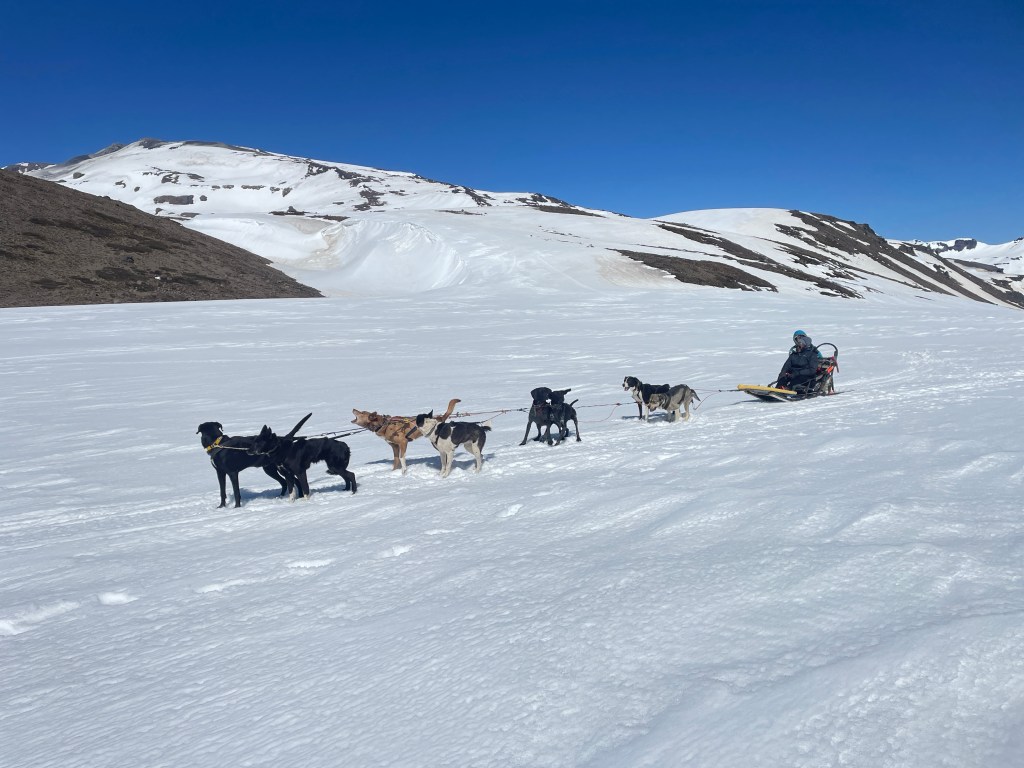
We awoke early and excited for the trip to the volcano. We had a choice, hike sixteen kilometers or go by dog sleds. We chose the latter and were not disappointed. We had eight mushers pulling our sled. Porter the lead was great. He had earlier introduced himself boldly on the drive up from the town. Periodically our guide Javier had to roll down the windows because porter was releasing himself of accumulated gas from prior day’s meat meal.
Porter leading the pack
We crossed two frozen lakes, passed a hydrothermal installation for steam and electricity as we headed for the peak of the volcano. We arrived at the Chilean border and our destination. A place that is the embodiment of peace, beauty and majestic views.
Relaxing before heading backOur mushers were top notchX-5 point, border of Argentina and Chile
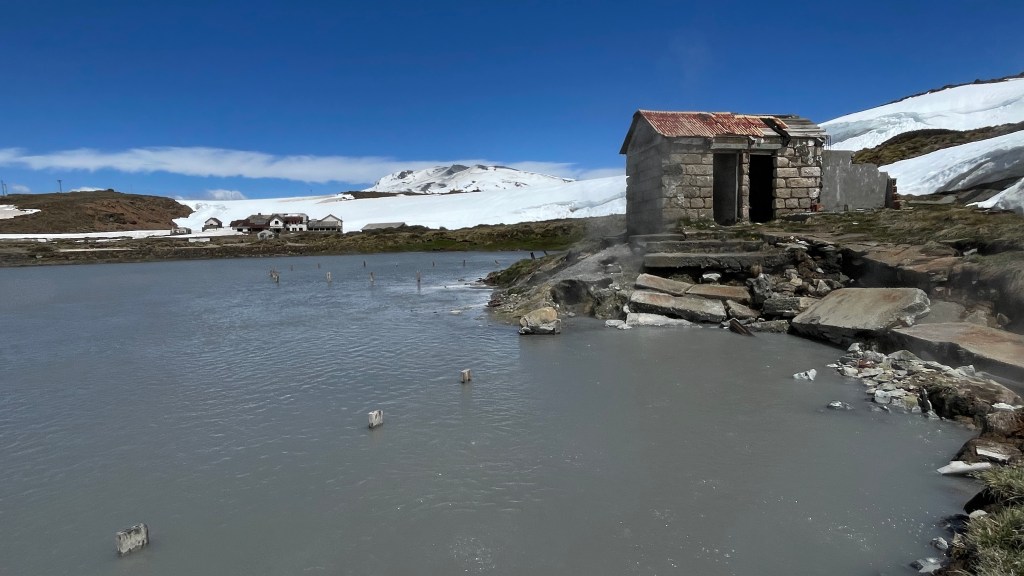
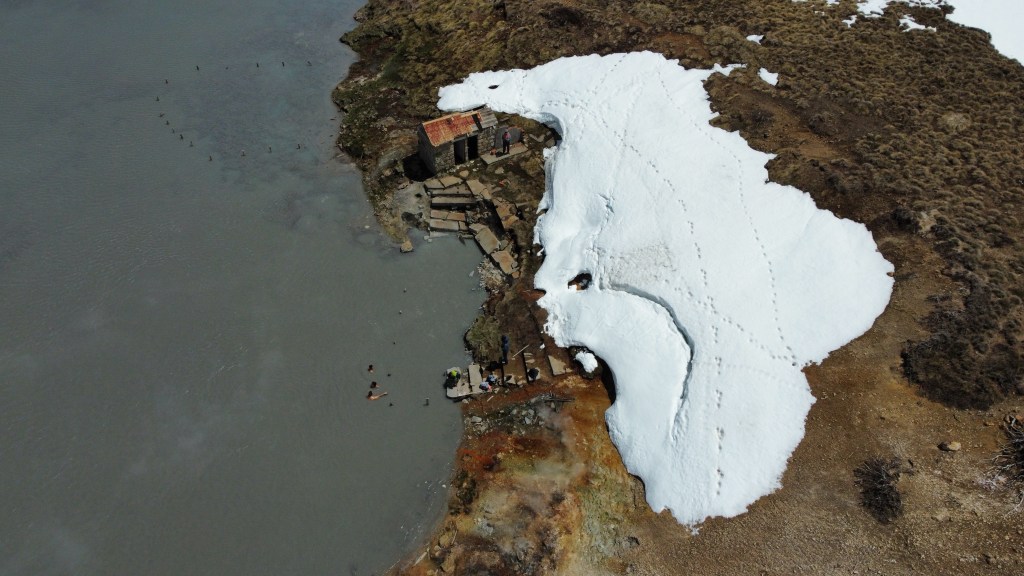
On our way back to town, we stopped at an old military compound literally on the edge of volcano Copahue. We were treated with the most exhilarating mud lake bath ever. In a pool of hot mud and boiling water we soaked, swam and scrubbed. You actually felt the soft, hot mud from below slipping under your feet with every step. We spent nearly an hour in this glorious and natural spa alone, breathing sulfurous steam and soaking in the views. We emerged when another small party and their guide appeared. We felt refreshed, energetic and ready to continue exploring Route 40.
Hot mud lakeAerial view of the mud lake areaMud lake with Volcán Copahue in the background
TIPS
1. Summer is hiking season. You can hike to the Volcano and all the way to the border with Chile.
2. Copahue is the town with many hot springs. It is open December 1 to May 1.
3. For the wild mud lake, you need permission in Las Máquinas.
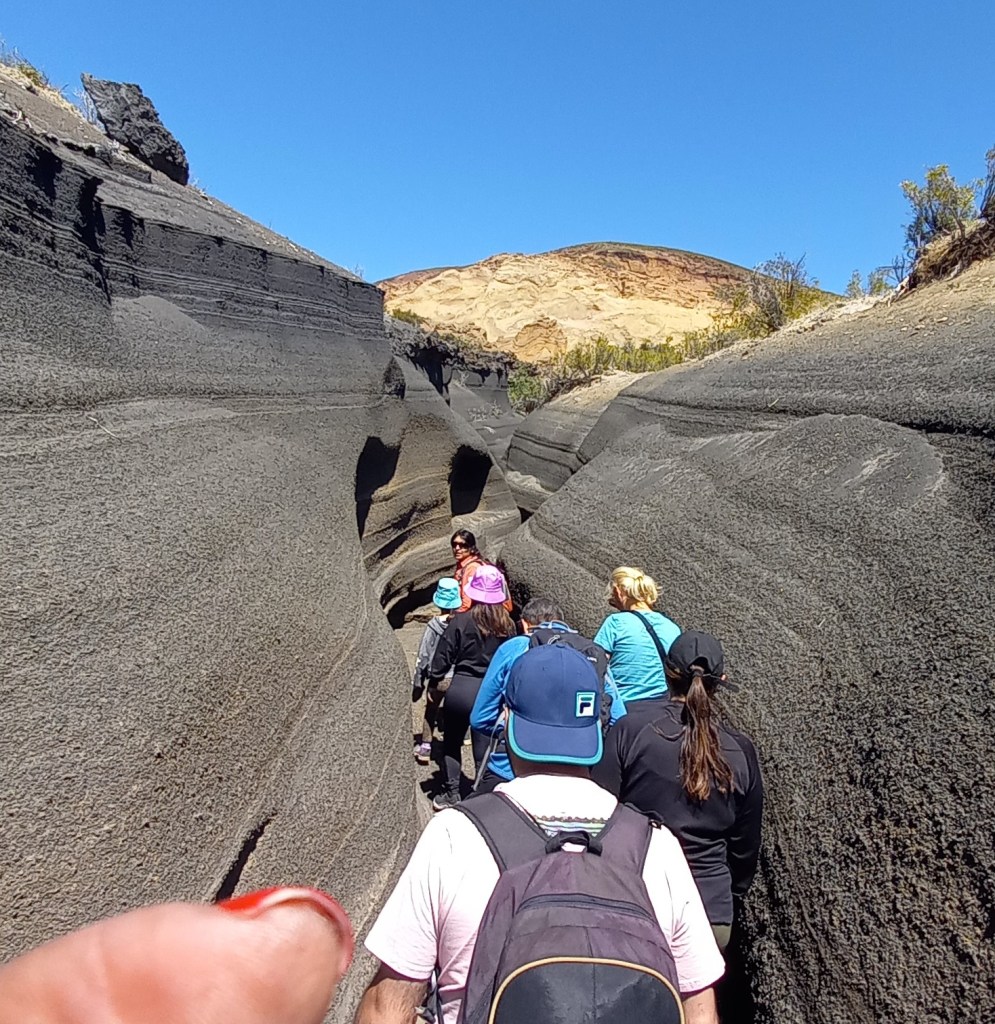
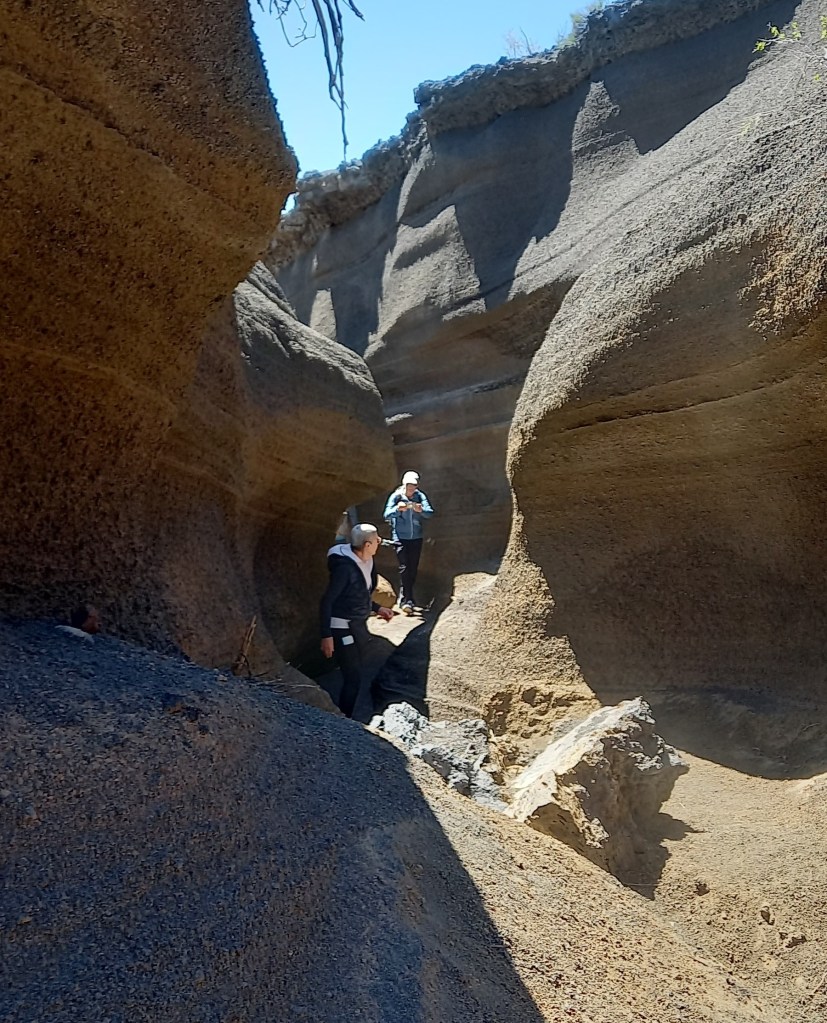
We enjoyed an exhilarating hike into volcano Malacara in Malargue. This volcano had rivers of lava that solidified as magma erupted in water over 450 thousand years ago.
Exploring Vulcan Malacara in Malargue, Argentina
We continued the drive south and stopped for a short hike in Manqui Malal to see the angel hair waterfall and hunt for Amnonites (fossils) by the river. It was a fun and educational activity. We were rewarded with several fossils finds.
Fossils Find in Manqui Malal Argentina
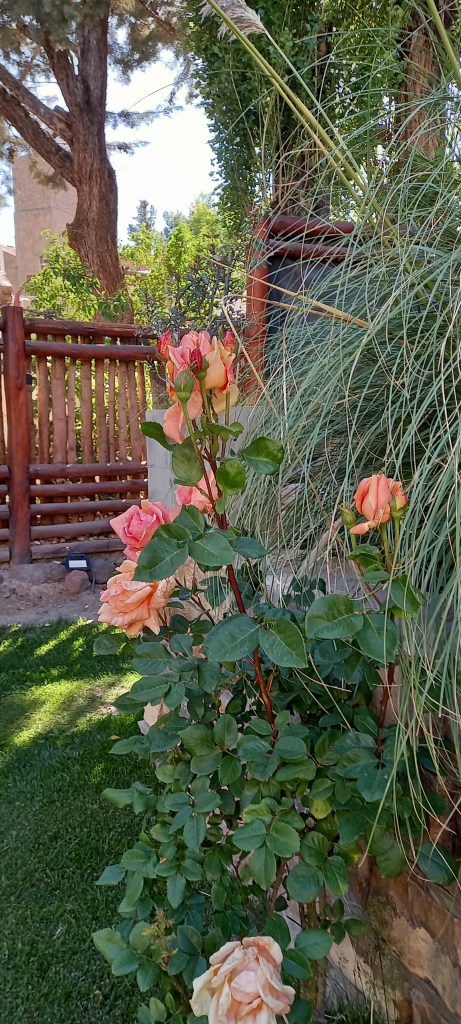
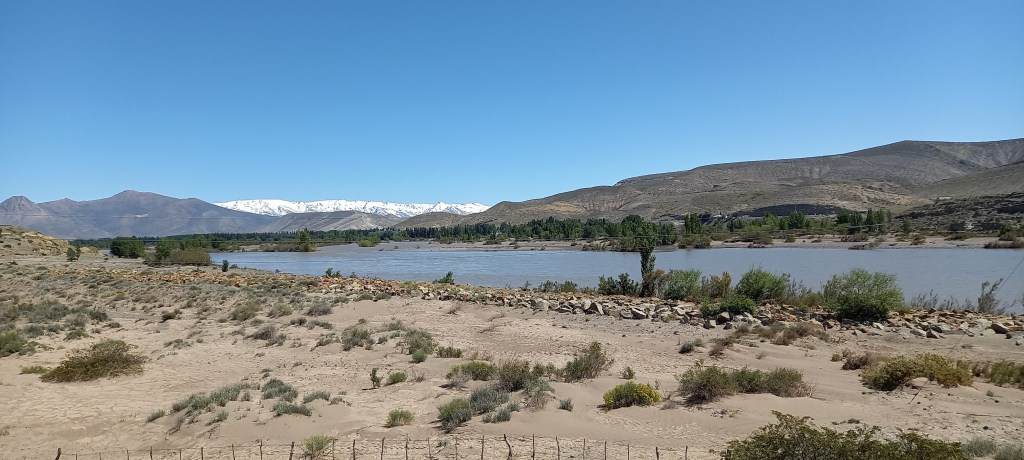
We continued over 80km on mostly “unpaved highway” then crossed the river Barancas into Neuquén province and drove to the beautiful town of Chos Malal. A Patagonia frontera town Chos Malal lies between the Curri Levue and Neuquén rivers. The town has amazingly beautiful landscapes and an abundance of roses of almost every color and huge blooms. After a peaceful rest in the hotel Terra Malal, and a gem of beauty and tranquility we continued south.
Rose blooms and Neuquén River in Chos Malal Argentina
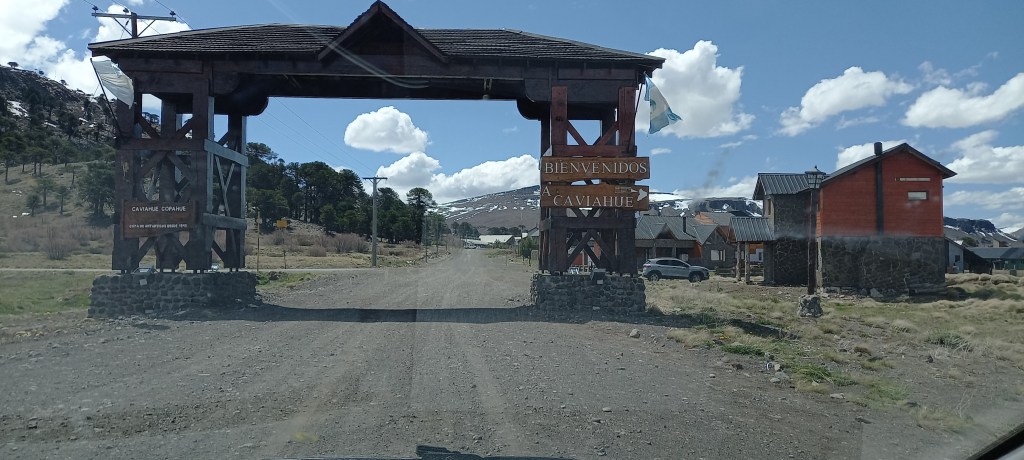
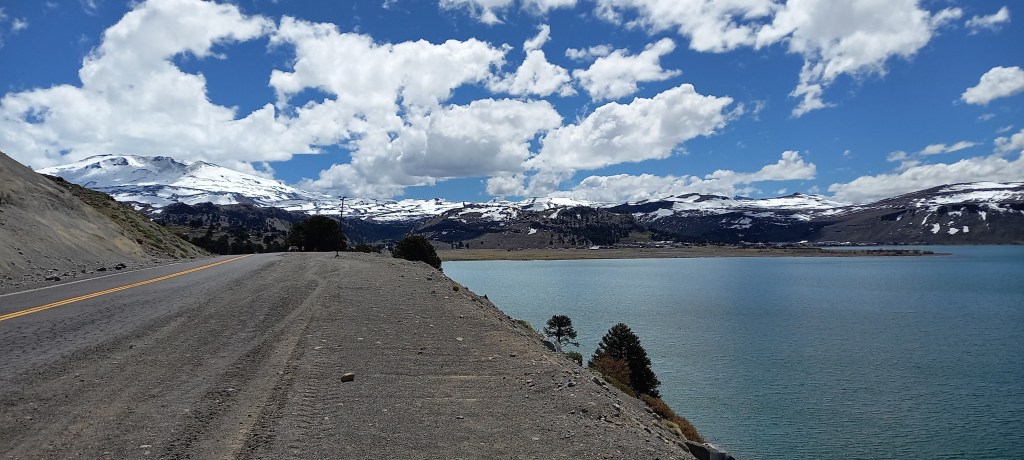
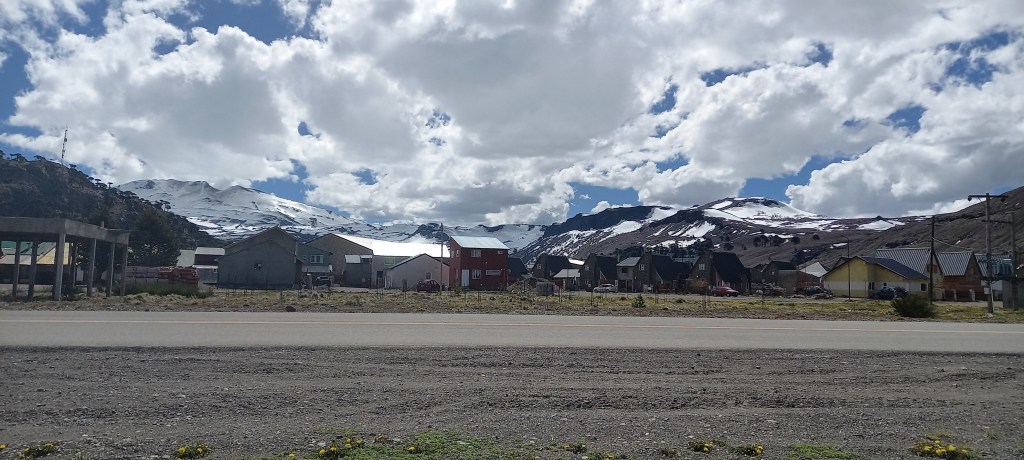
A short detour took us to Caviahue. The home of fresh trout, located by lake Caviahue and the foothills of volcano Copahue. We will stay here a few days.
We left Copacabana and after about two hours by bus we arrived in Puno Peru. Puno, like Copacabana in Bolivia sits on the Peruvian shores of Lake Titicaca. Its economy is primarily agricultural and livestock (llamas and alpacas) based. The town is famous for its access to the floating man-made islands on lake Titicaca. We spend only a short time in Puno and soon headed on our road trip to Arequipa.
Arequipa City-After several hours of driving in the dark we arrived in Arequipa. We got off the bus into a taxi and headed directly to our Airbnb for a well needed rest. The next morning when we awoke and looked outside, we observed this giant mountain that appeared to loom immensely over the city scape, It felt so close to us. We did not expect this, so we inquired and were told that is Misti. Misti stands at 5,822 meters or 19,101ft above sea-level and forms part of a series of volcanoes in that region of Peru. The entire city scape and concurrent culture of the city is dominated by the presence of this mountain.
The city has a Spanish colonial era layout. The main historical center consists of a central plaza, surrounded by the Basilica Cathedral, shopping, restaurants, museums set off by lovely palm tress and other ornamentals. This is where you will find the locals gather to listen to music, sale their wares and air their grievances by protesting. The Santa Catalina Monastery is a major attraction in Arequipa. small city within the city.
Sunset in Arequipa
This very popular monastery is a small self contained city that was founded in the late 16th century. It consists of many cramped but charming streets lined with tiny colorful, houses. These houses we learned, were inhabited by the nuns that lived in the monastery centuries ago. As we wondered around streets, we realized we were exploring a very old but well designed city of plazas, fountains, and cottages. The internal spaces in many of the cottages were creatively designed for the outside light to filter inside. As we prepared to complete our tour, we wondered into a lovely garden, it was like stepping back in time. A space which appeared intentionally designed for serenity and tranquility. It had seating, and planted with flowers and several types of fruit trees.
Over the ensuing two weeks, we immersed ourselves in the food, music, and the culture of the city by walking and hiking around the city. We found Tipika restaurant to be a welcoming and friendly place were you could have tasty meals for a resonable price. We absolutely enjoyed the chicharron de chancho Arequipa. we were impressed by the variety of fruits, meats, food and vegetables for sale in the market. The market was like no other we had encountered. Two memorable moments for us in this beautiful market were having our heads measured for customed felt hats at Elyca Sombrereia and drinking fresh juice from the juice bars.



































.JPG)