Malta

A place where history and contemporary compete for eyeballs. Malta is an independent Republic located in the Mediterranean. Its history spans many centuries and occupation by many, including Romans, Italian and English. The weather is pleasant with extremely hot summers from June to August.

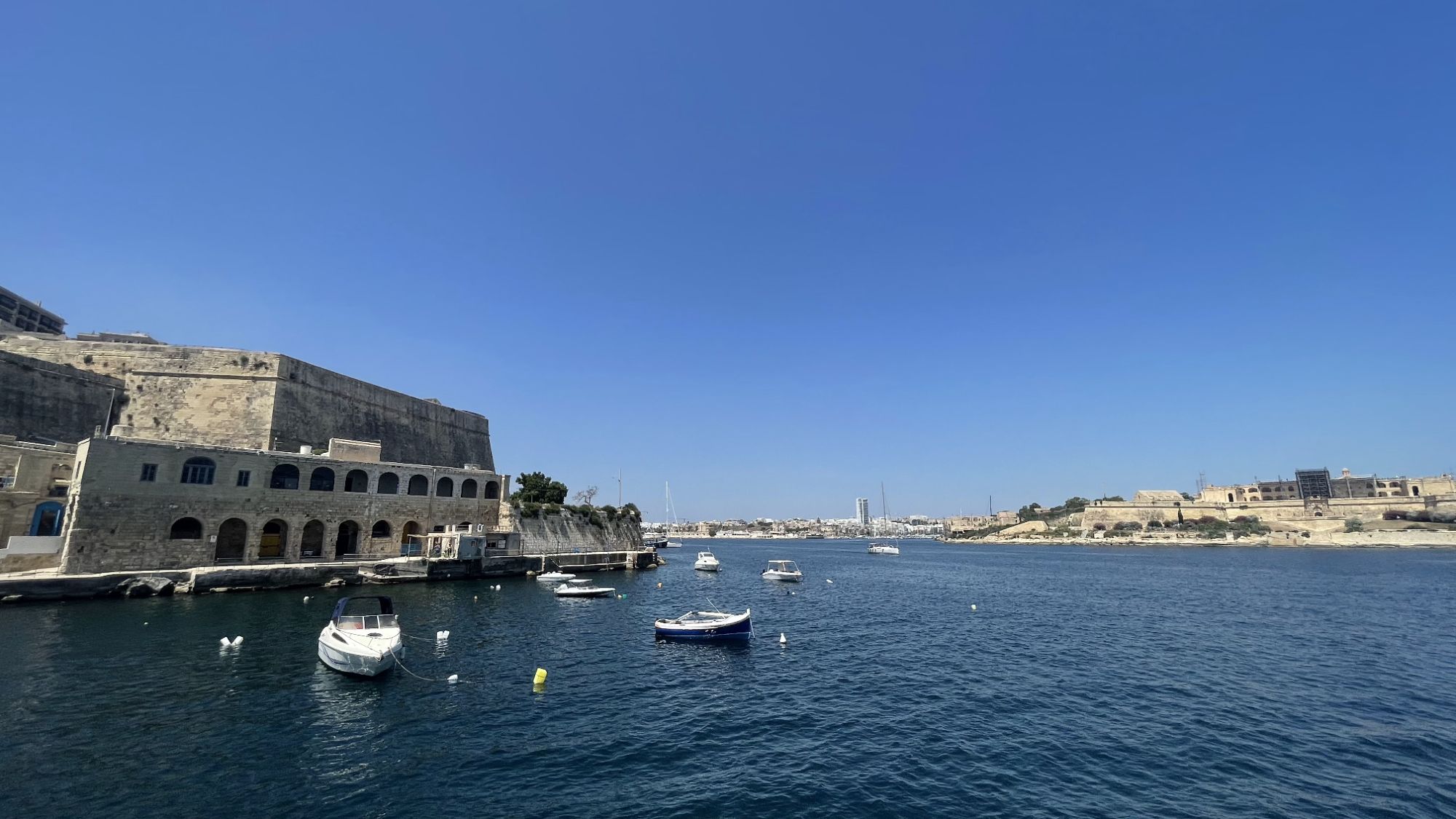
We arrived to Valetta, the capital city, on the ferry from Pozzallo, Sicily which is only a two hours ride across the Mediterranean. Arriving in Msida port in Valetta you can see the old Roman bath pools dotting the stones with swimmers and sun bathers surrounding the city. It is a calm but busy harbour with an eclectic mix of swimmers, kayaks, boats, ferries, fishing boats, gondolas and cruise boats aplenty.


Instead of walking up the hill from port we hopped into a cab. It is also convenient to use the lift up from the port if you have suitcases. Our hotel was in the Sliema neighborhood with an amazing view of the neighborhood of St.Julian and the Mediterranean sea. Sliema is known for its historic buildings, beaches, restaurants and shopping.


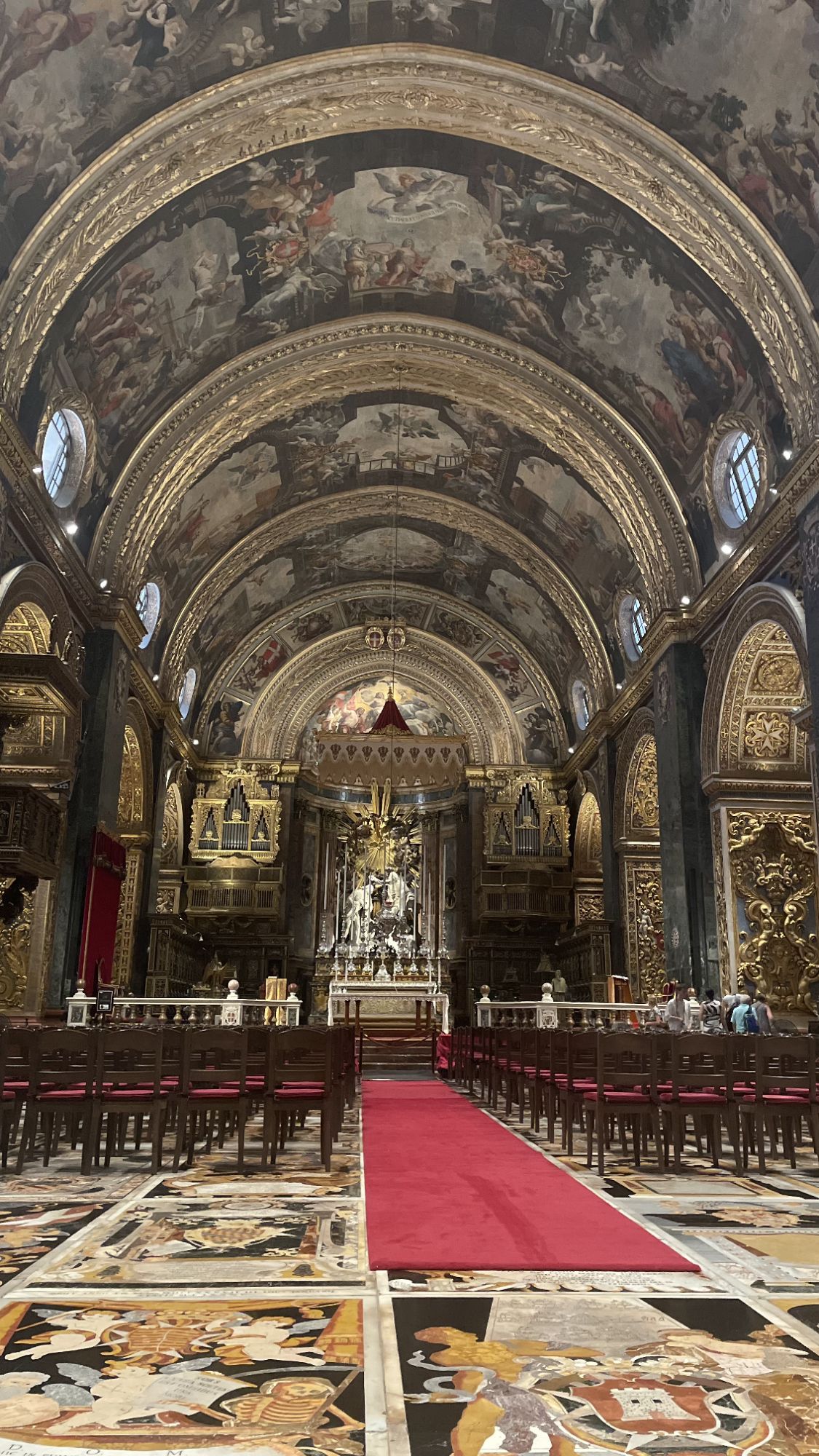
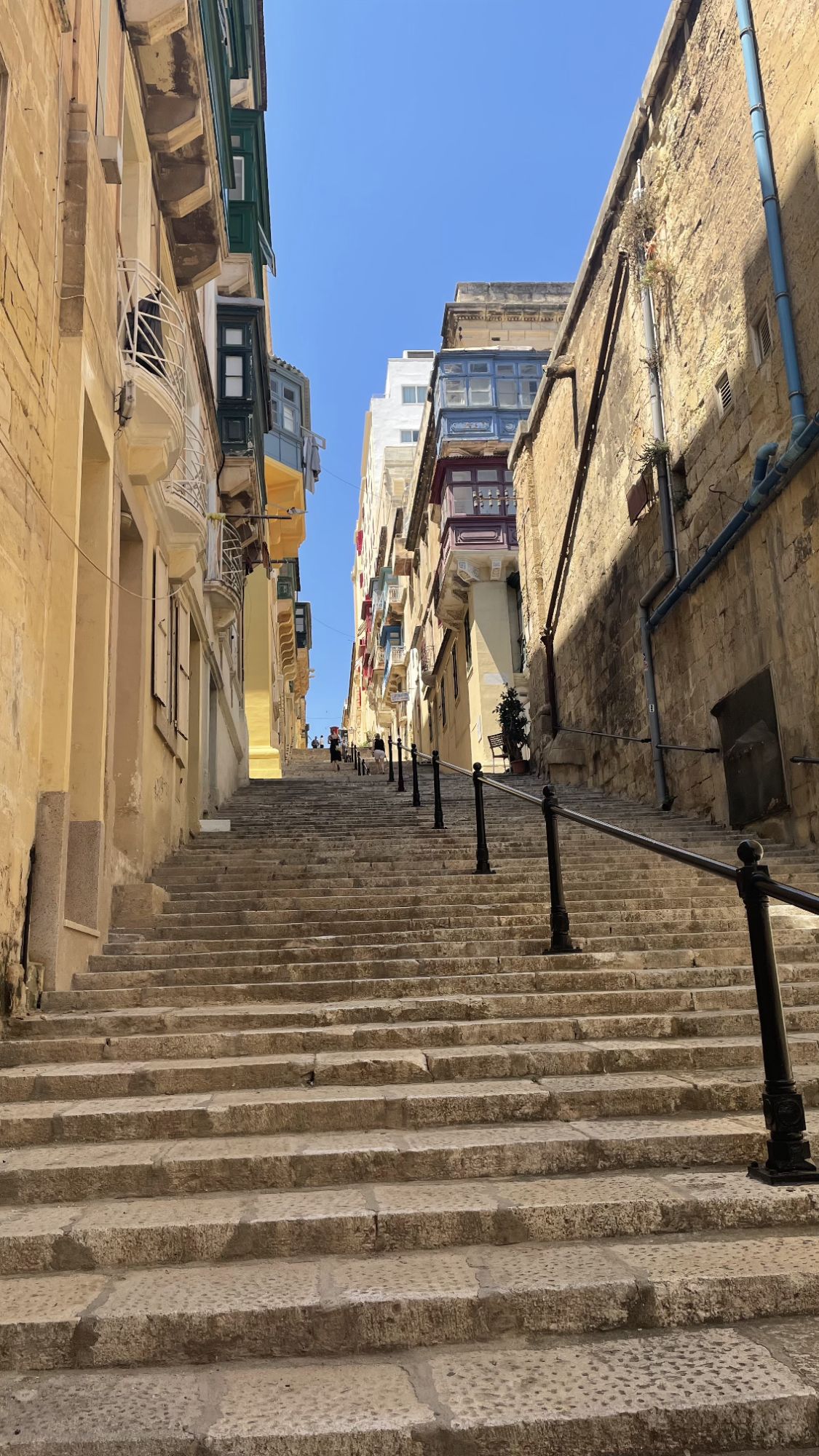
Take the ferry and in 5 minutes you can be in downtown Valletta to visit the Duomo, St John’s  Cathedral and many other historic places. The streets are an interesting array of historic houses and buildings with colorful bay windows appearing as huge boxes of color; red, blue, green, white and yellow. Maltese foods include a rabbit stew and horse meat but they also serve amazing racks of barbeque ribs and fish.

The evening ferries brings a younger crowd from St. Julian and Sliema that are headed for the bars and nightclubs in Valetta.

The town has a distinctive atmosphere, with many languages spoken: Maltese, English, Italian, Spanish, Arabic and others. Many Italians work in Malta; one Italian taxi driver was so funny, when a horse walked slowly in front he blurted out: “these Maltese horses are diesel, no good”

The Valetta area is a frequent stop for large cruise ships that bring a flood of visitors to the city. The ferries provide a link to Malta’s three main islands.  Malta’s key economic activities are tourism, movie filming locations and electronics. It has become a hub for internet gaming, finance and a growing destination for digital nomads.
Tips

1. Most tourist’s attractions are in Valetta and Sliema.
2. Driving follows the English pattern on the left side, be extremely careful and look both ways when crossing the streets.
3. Retail shopping is from 9am to about 7pm so plan accordingly.

4. It is quite hot during the summer, dress accordingly to walk the hills of Valetta.

Till next time,

Walk good
Greece: Corfu, Igoumenitsa and Thesaloniki

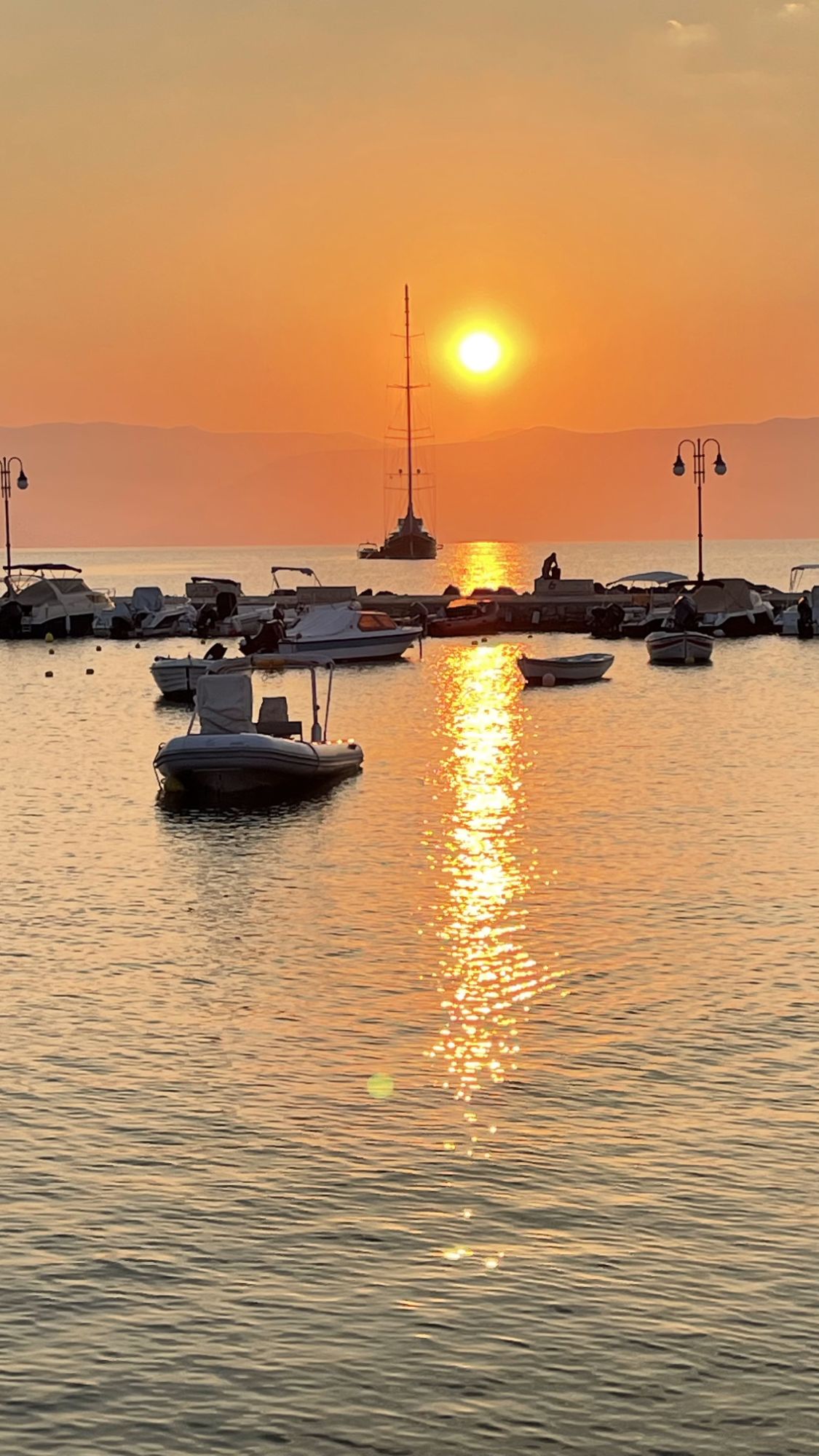
Corfu is a much bigger island that expected, with green mountains, hilly villages and land so close to Sarande, Albania at some points one could just swim across. The views of the Ionian sea seem to emanate from every hilltop. Swimming in the calm waters of the bay seem to be a popular pastime of locals, old and young.

We stayed near town, a 25 minutes walking distance down from the hotel. The bus service has a regular schedule  and so for two Euros its possible to hop on the bus for a 10 minutes ride into town.

The city is full of history, though occupied by many people over the centuries. It is one of those places that is proud to inform you that they were never under rule of the Ottoman empire. We were surprised when we accidentally walked by the birthplace of the late Prince Phillip, Duke of Edinburgh.

Corfu has both an airport and port, receiving ships from Italy, Albania and other parts of Greece. The town thrives with cruise tourism,  and as a main entry point into the Ionian 7 islands.

We were told that the best time to visit is September and October, after the intense summer heat. Nights on the island were calm amd slightly cooler than days. To explore the interior of the island, it is best to drive a car, you hire a boat or use the ferry to explore nearby islands such as Paxos.

Igoumenitsa is a small town that rises up from the sea and creeps into the hills. It seem to depend mostly on tourism and olive groves as main activities. It is the main hub for ferries and bus transit to surrounding Greek areas of Corfu and Thessaloniki, Albania and North Macedonia. The town connects the mainland to the islands in the Ionian sea and Adriatic with a mostly transient traffic passing through.
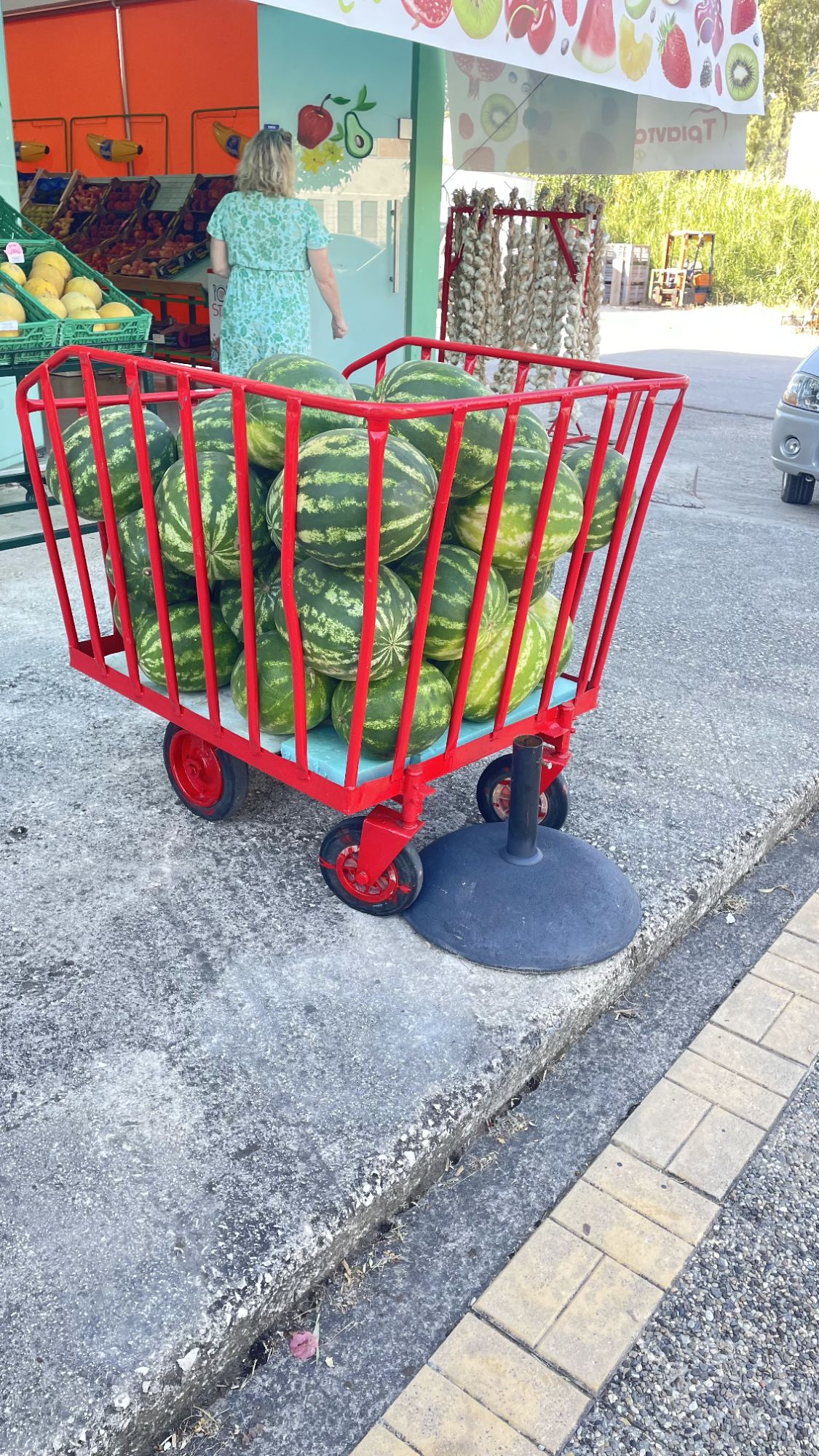
As we left town by bus heading for Thessaloniki, houses gave way to olive groves and hills covered with huge solar farms. We drove through fertile plains with enormous orchards of peach and nectarine, dotted with hay and wheat fields amomg many other crops. Steep hills host reservoirs and picturesque valleys with towns  and villages, with their red roofs visible through the late morning mist. The construction of the churches follow the eastern orthodox Christian layout and look, using brown stones,  smaller structure and round roofs.

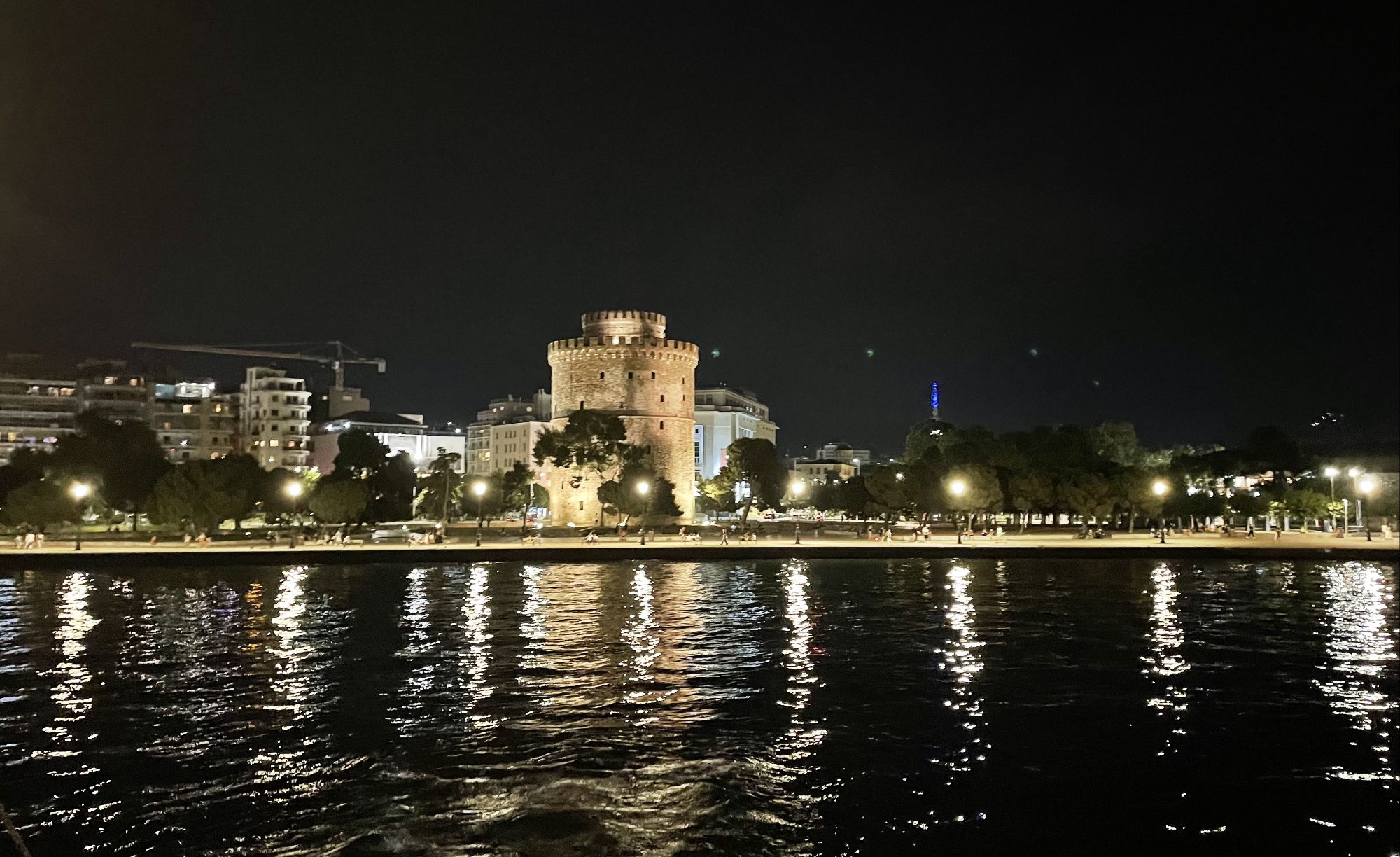
We arrived in Thessaloniki and immediately felt the hustle and bustle of a big city. Thessaloniki is an enormous bayside on the Aegean sea, the shoreline cradles the city like a new mom protecting her baby. It is the second largest city in Greece, the bay is relatively calm, making boat bars a popular activity. For only seven Euros you can take a pirate ship or tiki bar around the bay, enjoying the view from the water as you listen to music and sip Ouzo (local drink). There are an insane number of places for food, coffee and liquor bars, and hotels around the city.
If you like the vibes and bustle of large city, you will feel comfortable in Thessaloniki.

Tips

  1. Corfu is touristic and walkable. Great bus service,views and beaches.
  2. In the summer months, dress for hot weather, walking is best in early morning and evenings.
  3. Igoumenitsa is a convenient connection point by bus to Thesalonniki.
  4. Take the pirate ship in Thesalonniki, have a drink and enjoy the view of the city from the boat.