-
Camino del Norte: Asturias
May 1, 2025, was our first day of walking. We started in Gijon and made our way to Aviles. This year, we started on a sunny day. It was a long walk, but less strenous than our first day from San Sebastian last year. We continued to walk along the coast of the Cantabrian Sea.We found pleasant beaches in Salinas, Playa del Aguilar near Cudillero, among others.
The walk meanders among pastures, forests and fields, with sheep, goats and cows grazing peacefully. Along the way, many houses in the small villages had small vegetable plots, with potatoes, cabbage, white beans and other crops. Crossing the landscape, we could not escape the pungent smell of manure emanating from the fields and animals around. We got relief in the eucalyptus forests, especially when the rain drizzle enveloped us. We walked through mud, asphalt, grass, gravel, and water as we traversed Asturias.
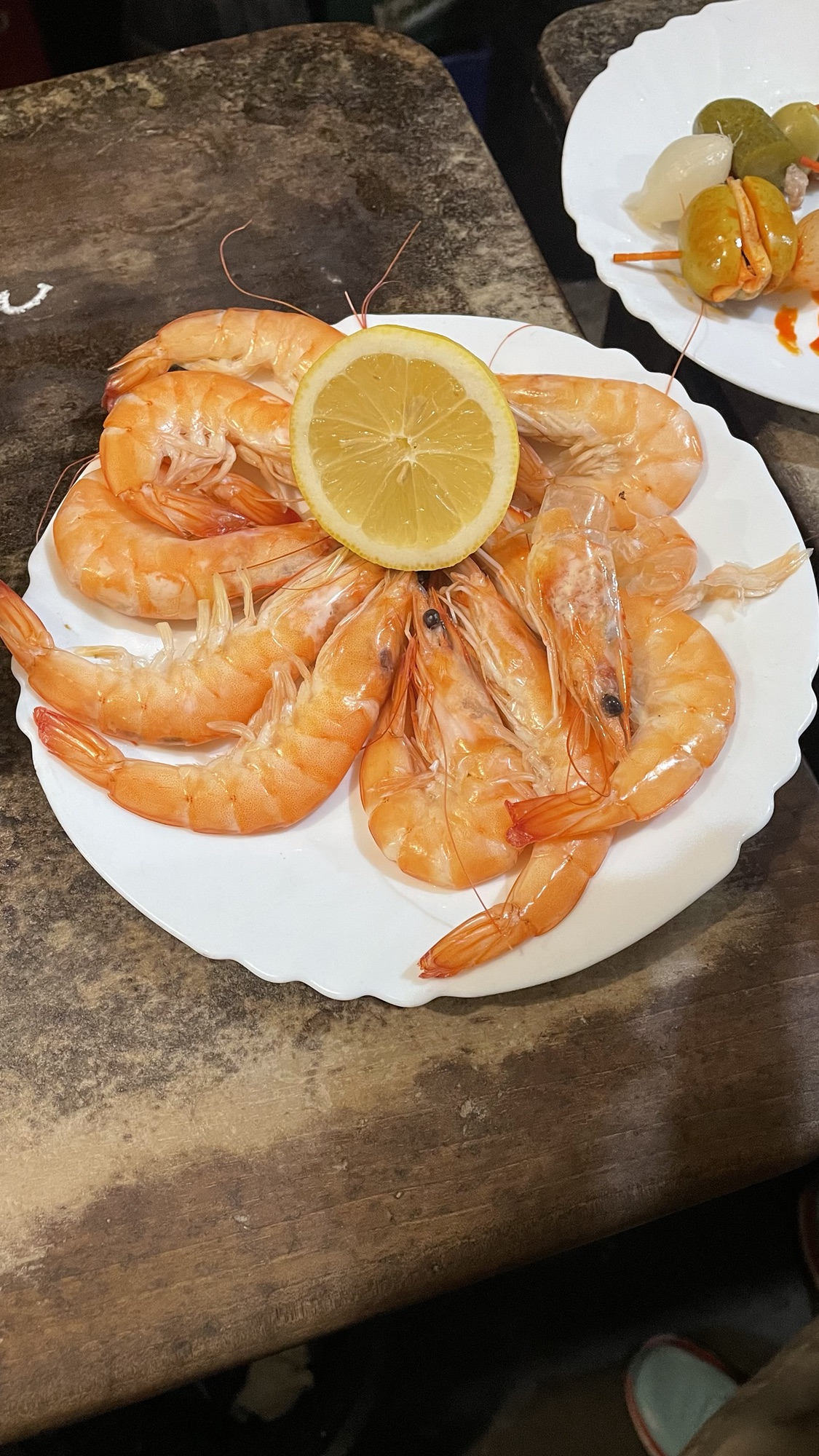
Asturia is for seafood lovers. We looked forward to a steaming bowl of fabada Asturiana, a mouthwatering plate of jamon serrano, the succulent and delicious garlic shrimp, all washed down with sidra.
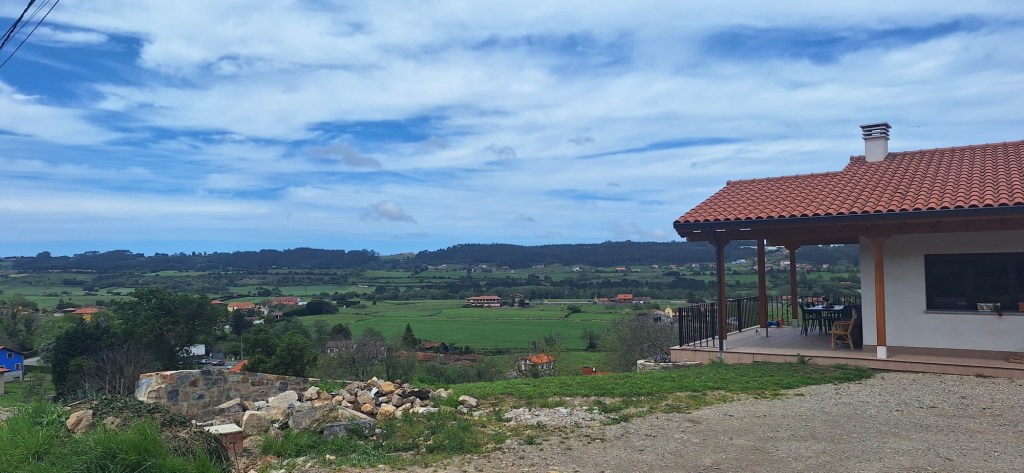
A village in the Asturian countryside 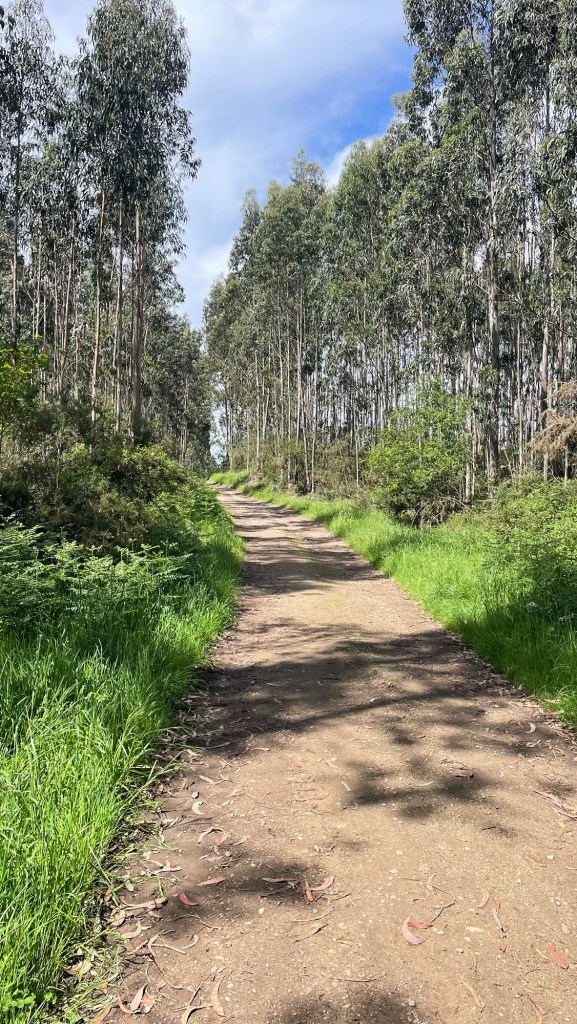
Eucalyptus forest 
corn drying at home 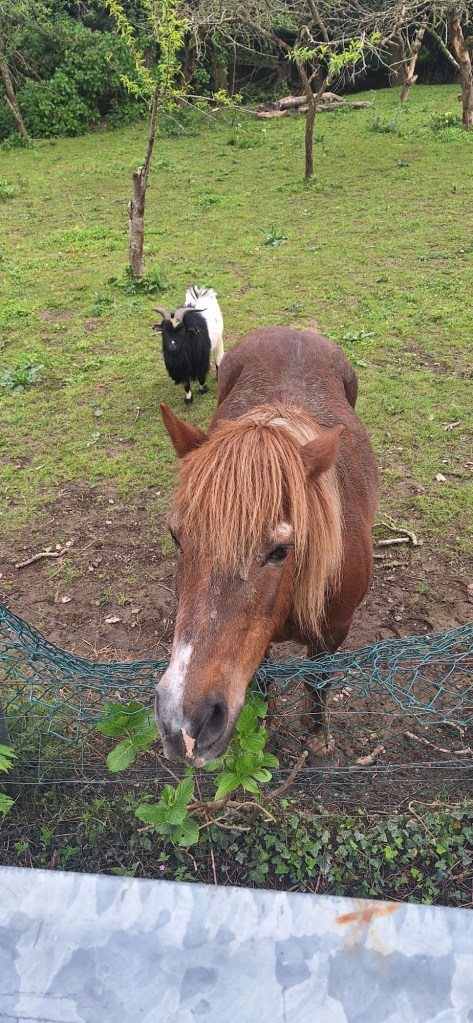
taking a break to play 
Playa del Aguilar, beautiful beach 
sardines, delicious 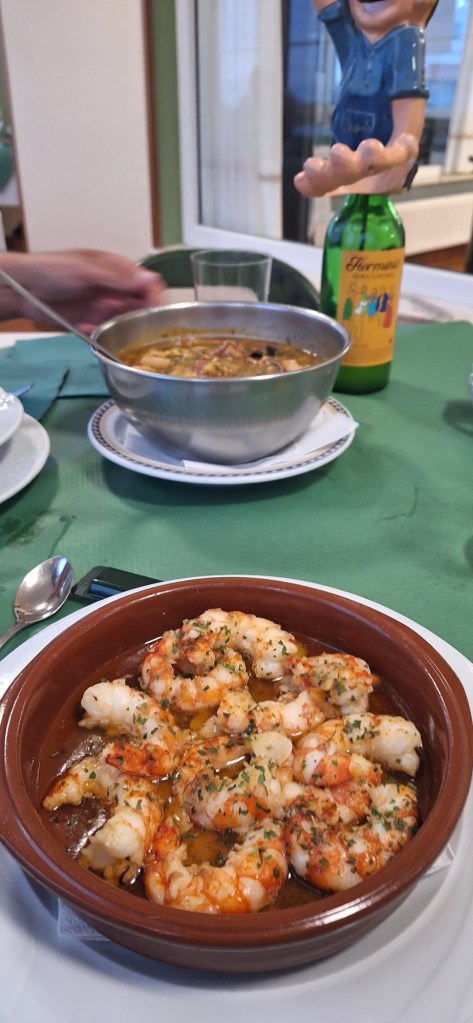
typical Asturian lunch 
Snails enjoy the wet climate Tips
- You can send your luggage along your path. See https://www.elcaminoconcorreos.com/es/transporte-mochilas
- Get a poncho to stay dry, it can rain any minute, even in May.
- Servings are large, consider sharing appetizers and entrees.
- Try Asturian Cider. It is refreshing and goes well with meals.
- In Luarca, try the Centro de Bienestar Telvy for a therapeutic and relaxing massage by Chema.
Till next time.
Walk good
-
Scotland: Highland, Orkney, Skye and Islay
Scotland is a land of contrasts: forests, lochs, mountains, snow, and windswept plains. The land is manicured and ready for a movie. We travelled across the Highlands, encountering dramatic landscapes, farm lands, pristines coves and meandering rivers. We crossed the islans by ferries, causeways and bridges. We found friendliness, laughter and a wee dram ( or a nip) of whisky ready to be shared.
The people have a rich history, evident in its castles, battlefields and monuments. Neptune staircase in Fort William, part of the Caledonial Canal, is a feat of engineering and ingenuity.
Neolithic presence in Orkney, evidenced by Brogar circle, shows us that these lands have been hosts to humans for thousands of years.
The richness of the tartan textile designs, linking families and clans across time, is unique to these country.
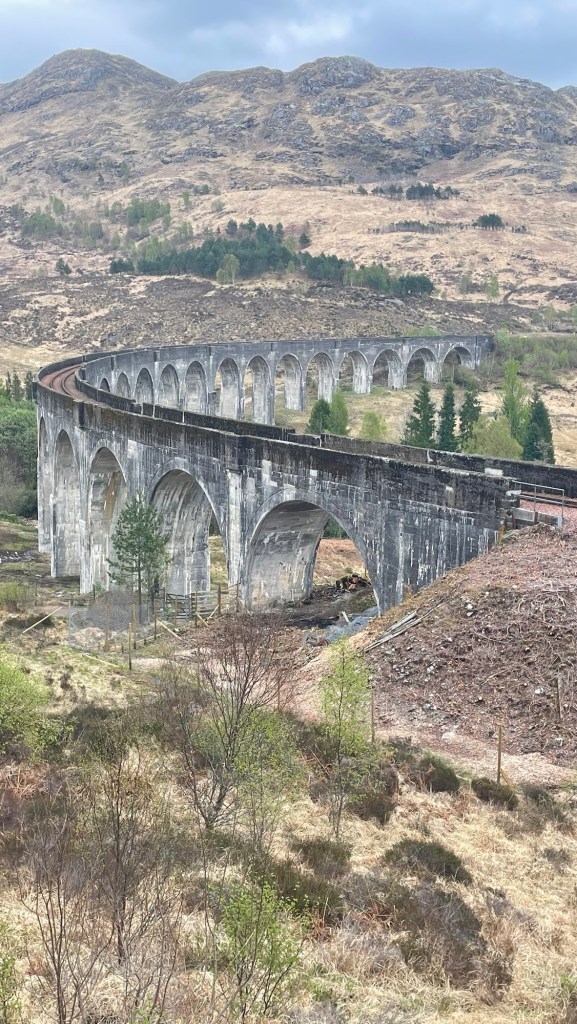
Glenfinnan viaduct, famously known from the Harry Potter series 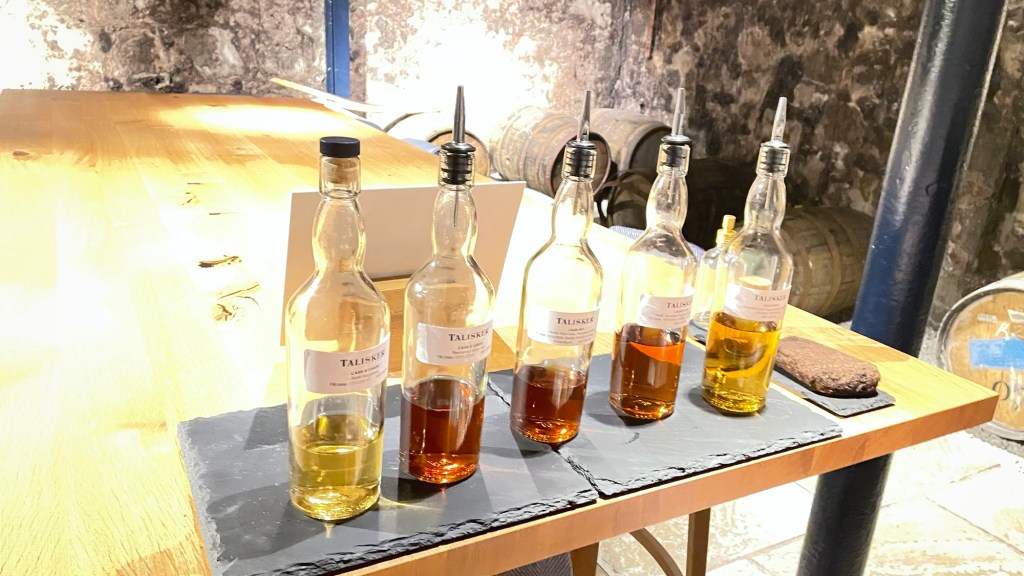
Cask tasting at Talisker, Skye 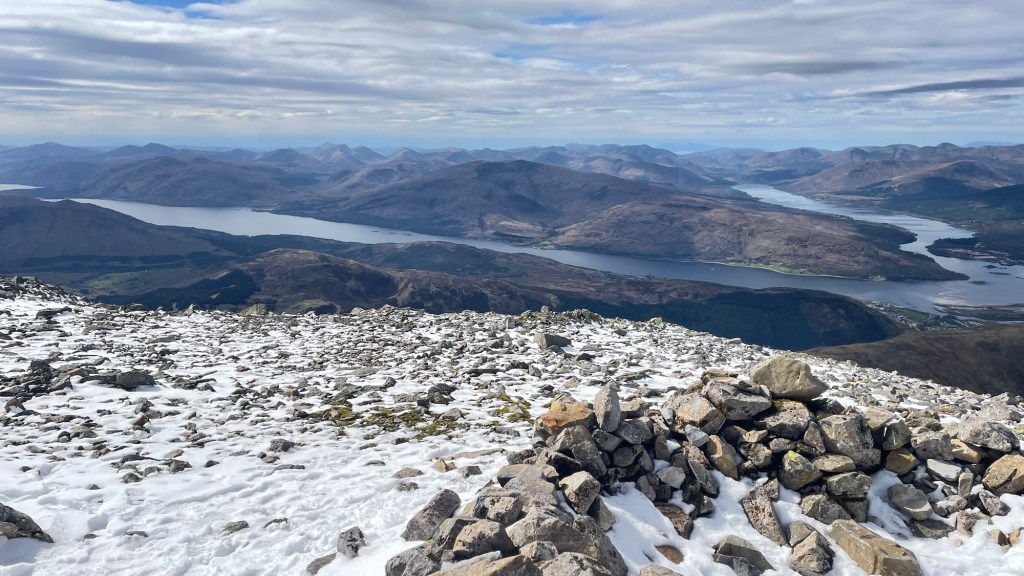
view from Ben Nevis 
Seafood platter, Orkey islands 
Neolithic stones at Brodgar circle Navigating the Neptune Staircase, Fort William Tips
- Look left, look right. Narrow roads with designated passing places means longer than usual travel times.
- Seafood is abundant and fresh. Try Oysters in Islay.
- Ask for a driver’s pack when doing a distillery tour and tasting.
- Confirm accomodation in the islands before booking ferries.
- If you are driving, make sure your ferry carries cars. Book in advance if possible.
-
Lovely London
Spring is an amazing time to visit London. We love the energy of the city, awakening up from winter and with just the right mix of nature and human activities. Walking is a must do activity: gardens, waterfront, pubs, museums and much more invites you to take a stroll without a clear destination. A city full of surprises, from modern to ancient architecture, perfect English gardens and afternoon tea, Londoners have much to share and be proud of.
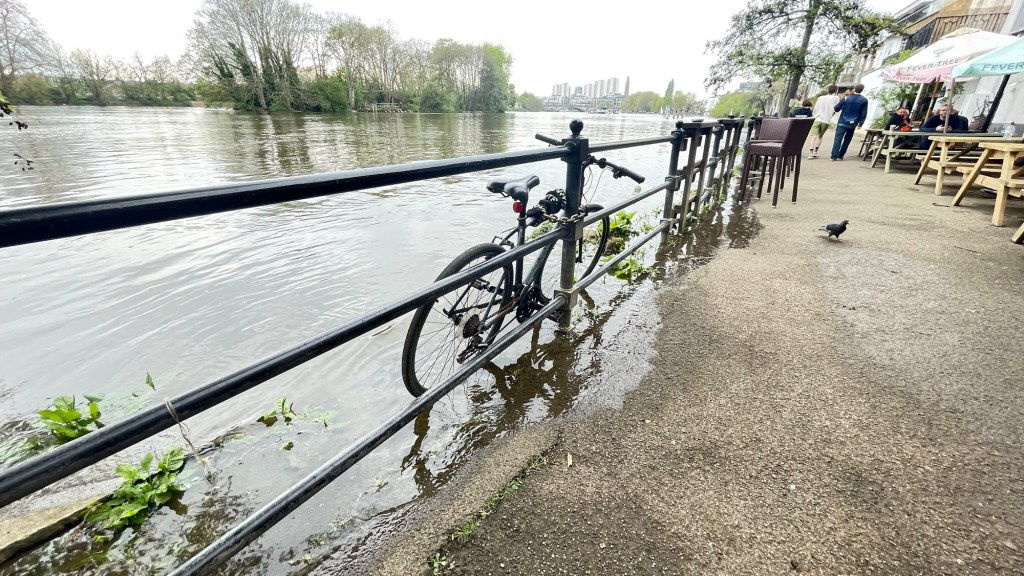
Life on the Thames River 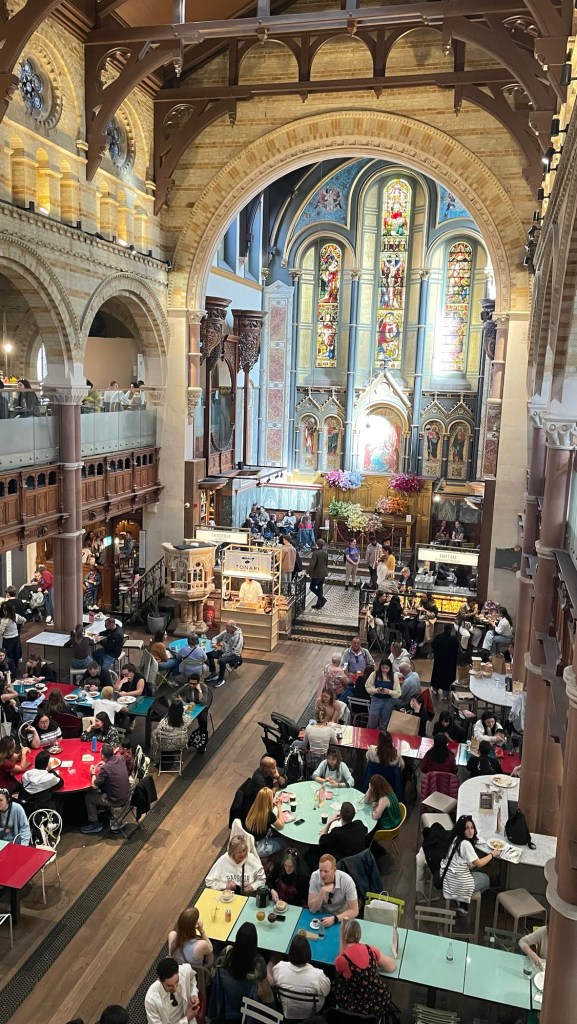
Mayfair market is a gem in the city 
Leadenhall Market 
Inner Temple Crusaders Church 
Tower of London guide 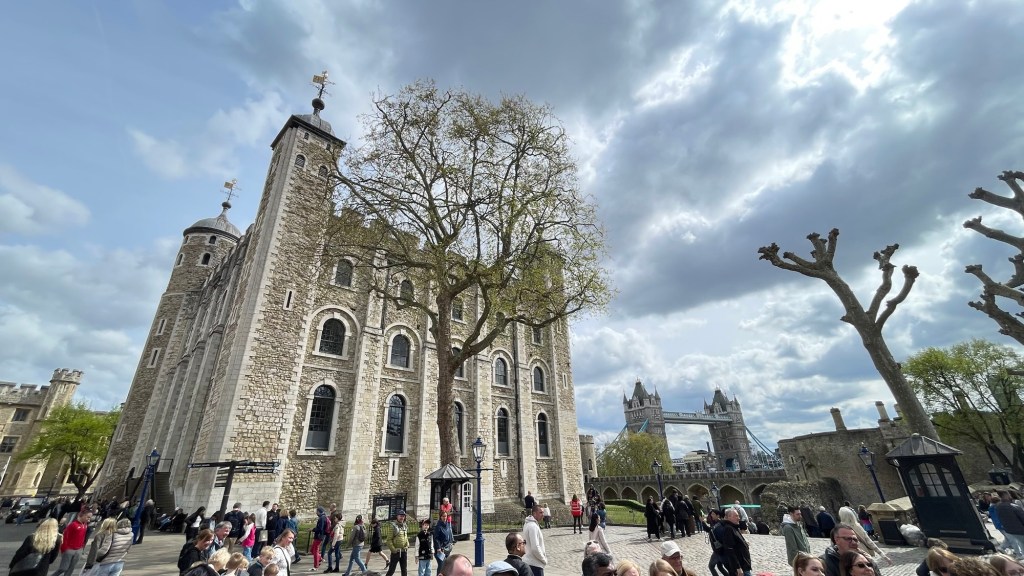
Tower of LondoTill Nexn Till next time
Walk Good
-
Jamaica revisited
March is a great time to visit Jamaica, the temperature is mild, there are many tropical flowers in bloom with no worries about hurricane season. It is possible to get up early for a quiet and relaxing swim in the amazingly gorgeous turquoise Caribbean waters with less people than during peak times.
We have shared a few pictures of our 2025 visit to the island below. There are so many different stunningly beautiful landscapes to enjoy, from sandy beaches of the north coast to the green hills of Trelawny and lush tropical scenery of Portland, there is a place where everyone can relax and enjoy.
Walk Good

A goat grazing in a field, cockpit country 
Nature reclaims everything 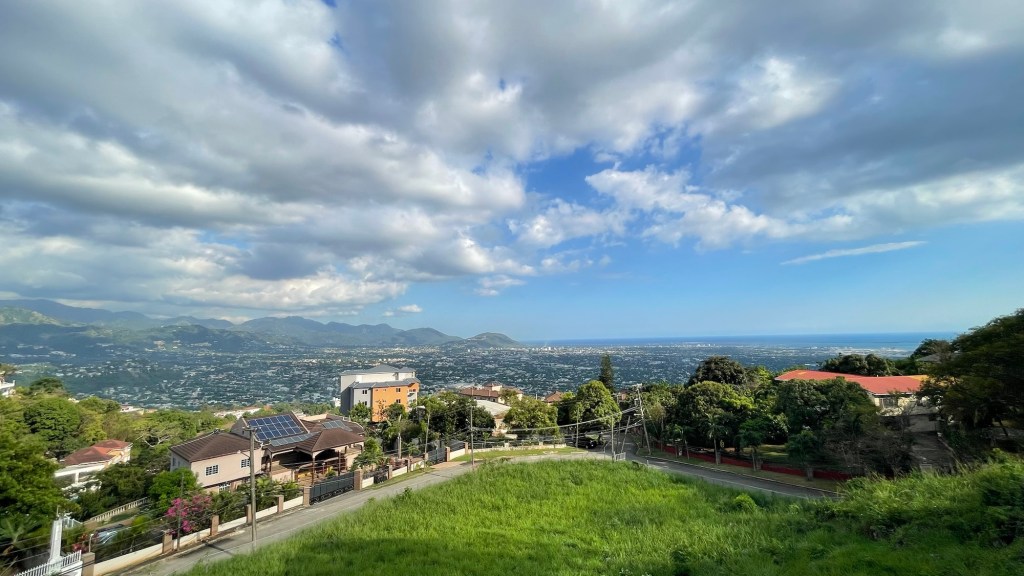
Cockpit country 
Bammy slices, avocado and score 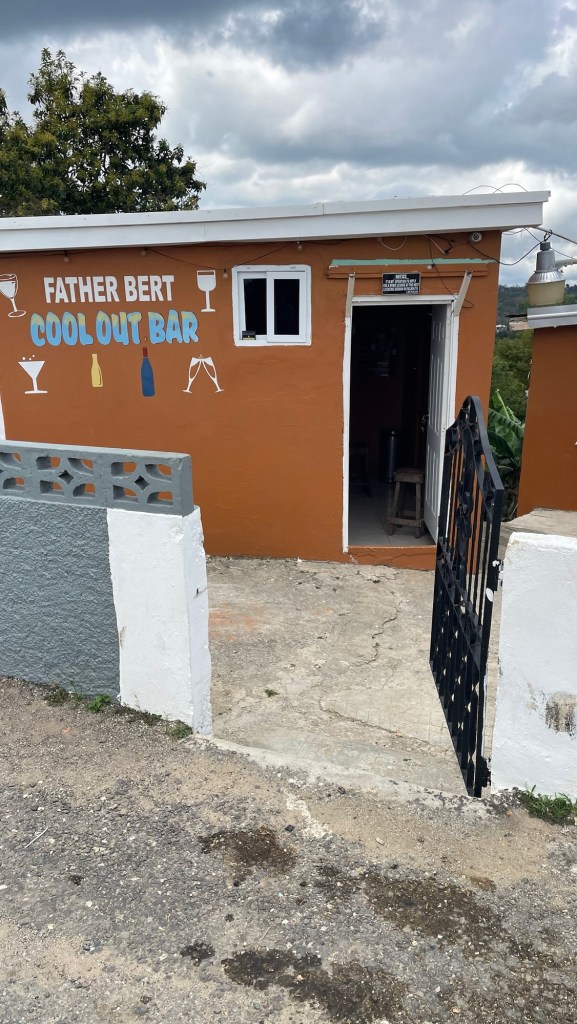
A local bar in a farming district 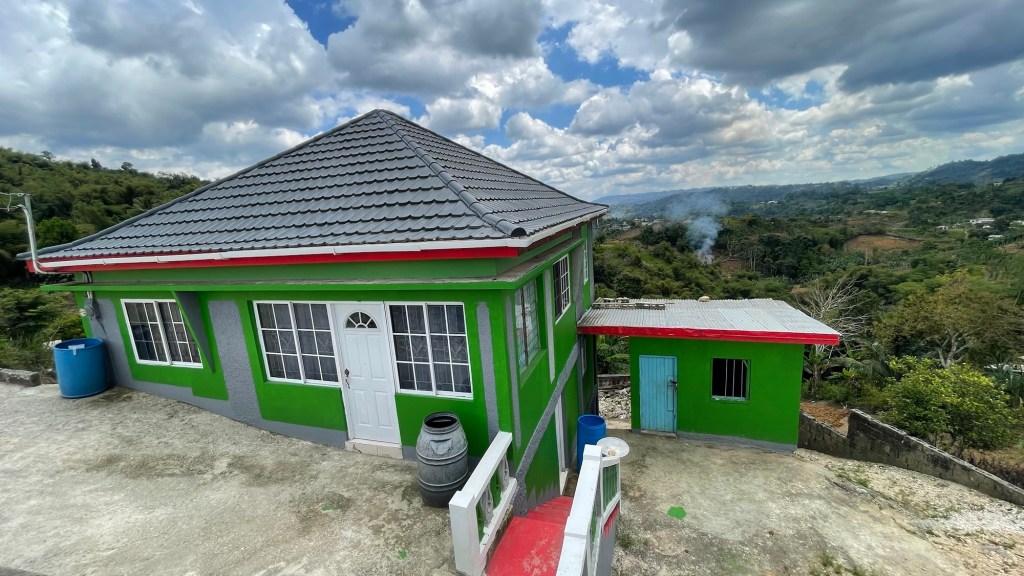
Colors everywhere 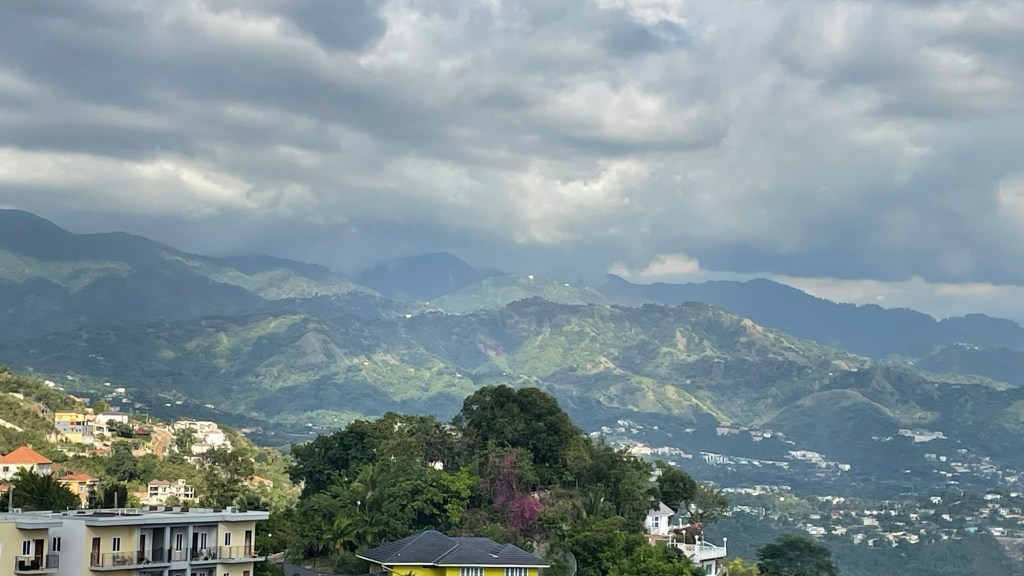
Blue mountains from Kingston 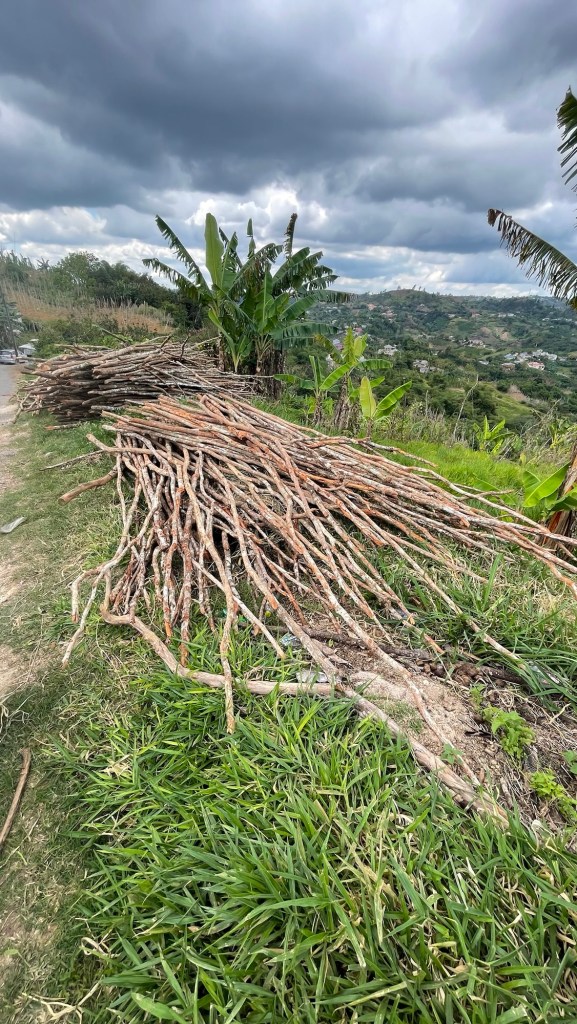
Sticks to be used for yam planting 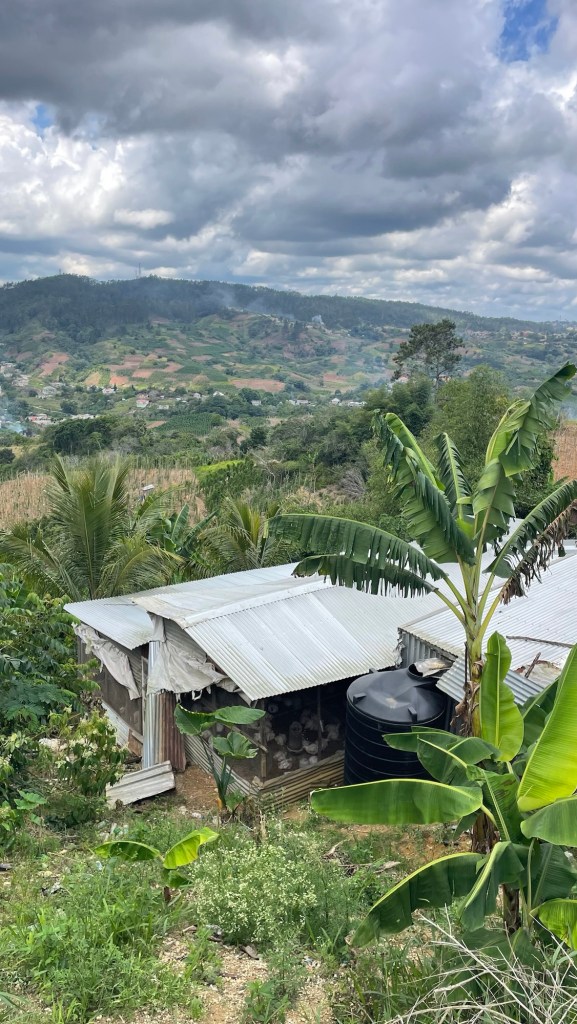
A chicken coup with a great view 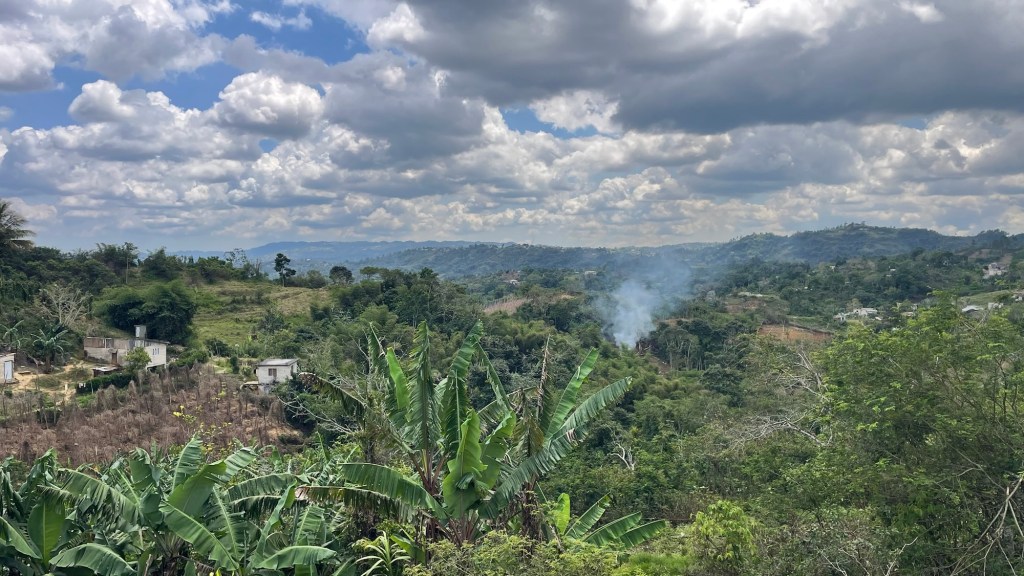
Cleaning with fire 
Lunch by the sea -
Quick Primer for Rome and the Amalfi Coast
Rome, the eternal city, an endless parade of history, architecture and beautiful spaces like The Colosseum, the Parthenon, the Roman Forum, Sistine Chapel and many gardens.
To enjoy Rome, get ready to walk, stop, turn and delight in unexpected sights.
Don’t skip the classics, yet venture into nooks and crannies for many surprises, from butcher shops to markets, bars, gelato and leather shops.
Roman cuisine offers an array of tastes, flavors and smells. Of course you must try all the pizza and pasta that you can muster. Favorites are caccio e pepe, carbonara and eggplants.

Trevi fountain 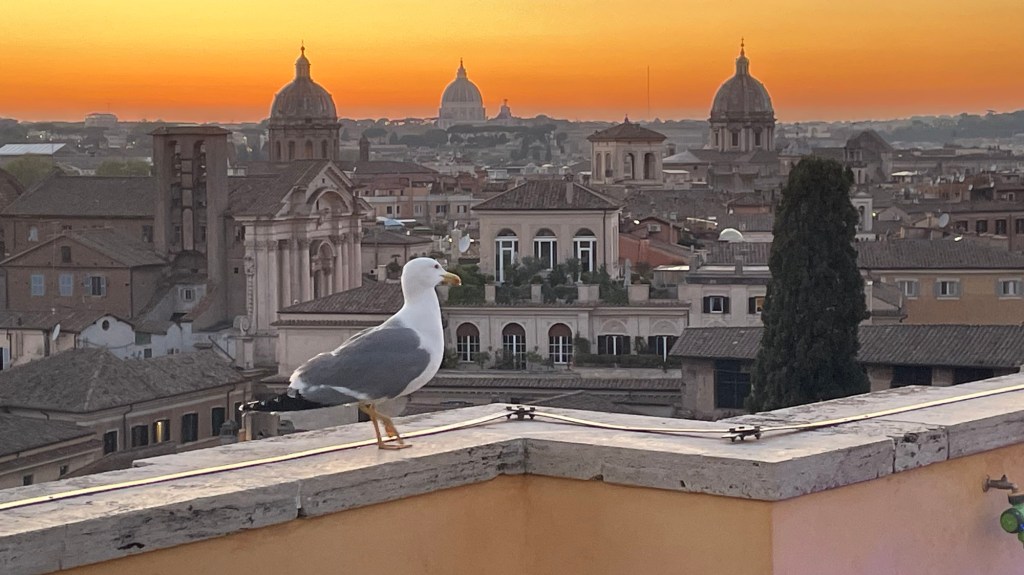
Sunset in Rome 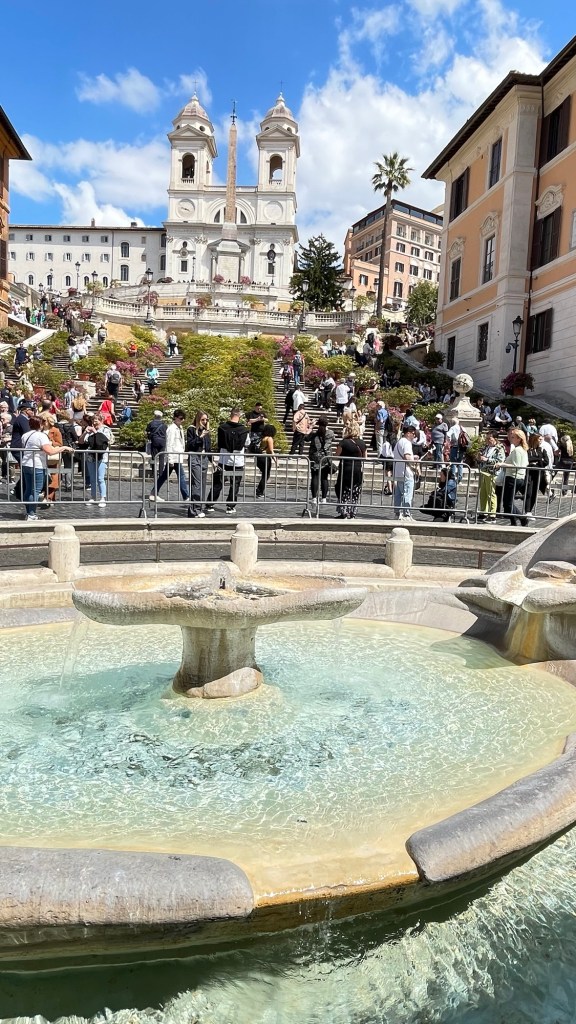
Spanish steps 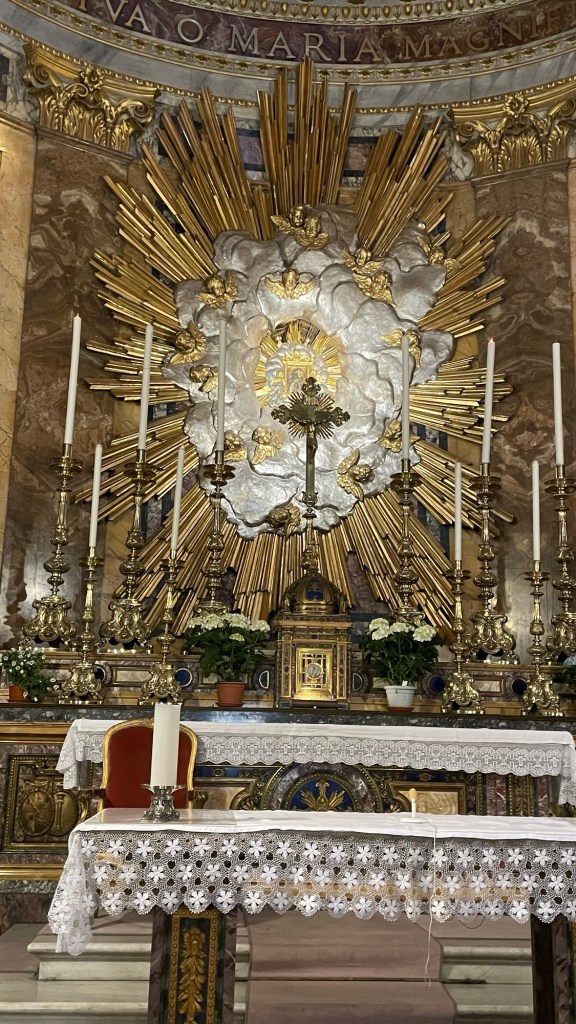
St Mary of the victory church 
Roman specialties 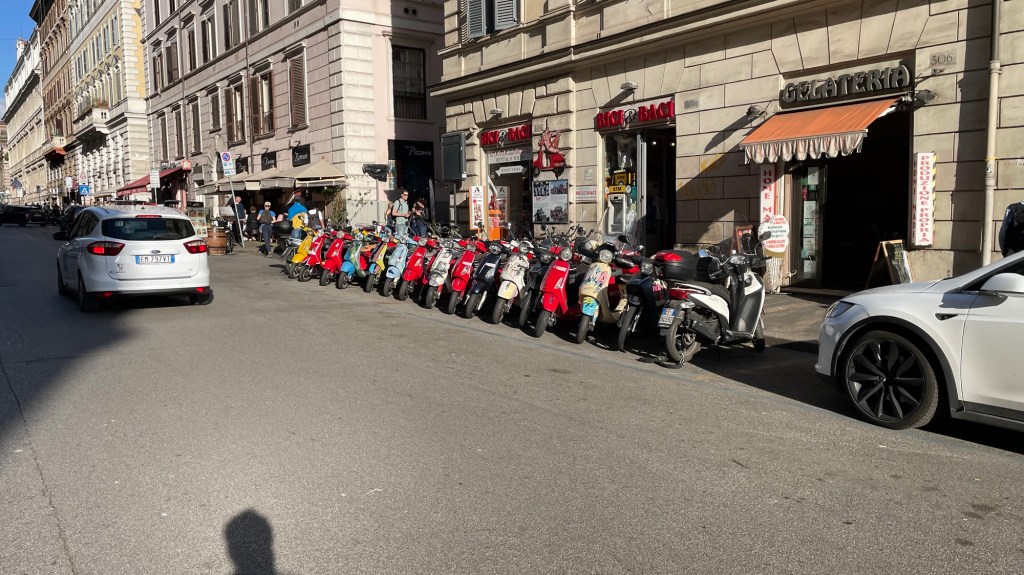
Best way to move around 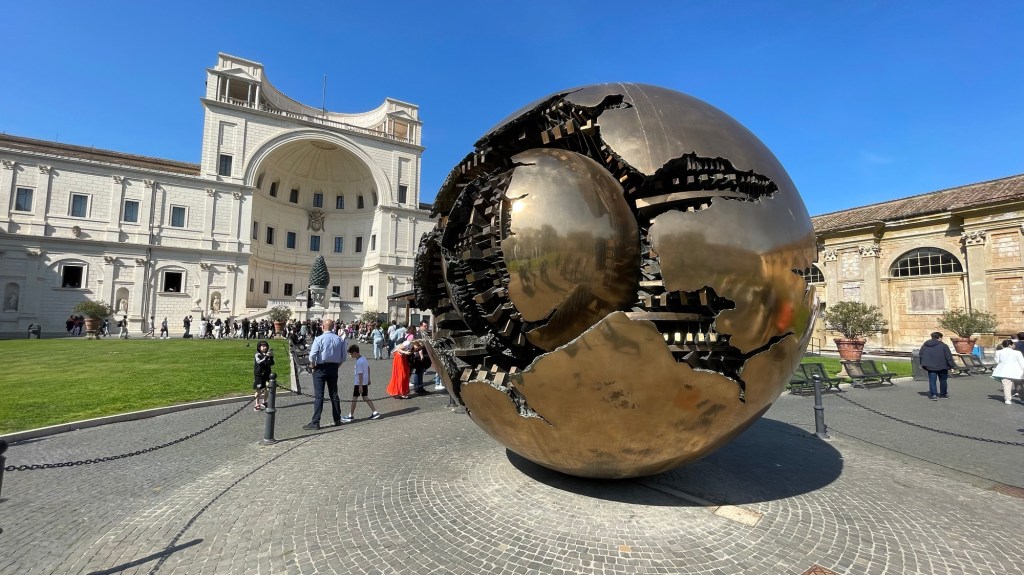
Vatican sculpture garden 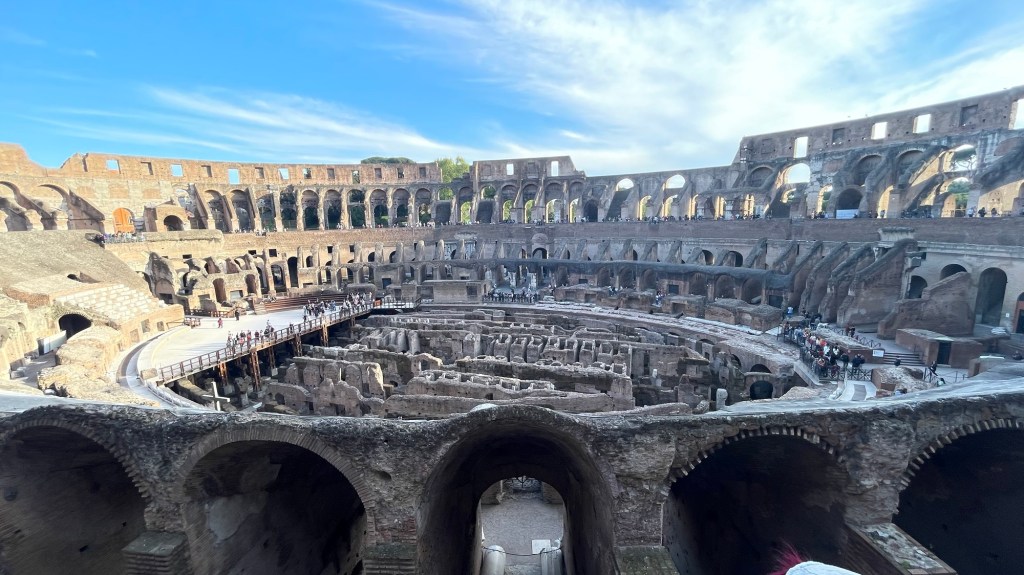
Colosseum 
Sistine chapel 
Vatican museum Tips for Rome
- Check the reviews of your desired Airbnb before booking to avoid stress and surprises
- Outdoor markets in the piazzas are great places to explore and taste local fare
- Some shops selling Italian leather may carry something else….. be sure to purchase leather goods carefully
- Only take official taxis from the airport, or the metro
Naples, Pompeii and Amalfi Coast
Naples is a bustling, chaotic and interesting city, in the shadow of Mt. Vesuvius. We had one of the best pizzas here, in a small restaurant filled with Maradona imagery.
We drove from Naples along the Amalfi coast road. We stayed at the following places: hotel eden in Sorrento and an Airbnb in Atrani. From Sorrento, we took the ferry to Capri for a day trip, but tickets early and be on time, you can walk or take a taxi to the ferry. There is an amazing cable car in Capri, the hike is nice as well.
We loved Positano, lunch overlooking the sea is amazing. Atrani is a quiet town with a nice beach, very steep streets and an quaint and interesting piazza.
Since we drove from Rome, we stayed one night near Pompeii, and visited the ruins, highly recommended.
Pompeii 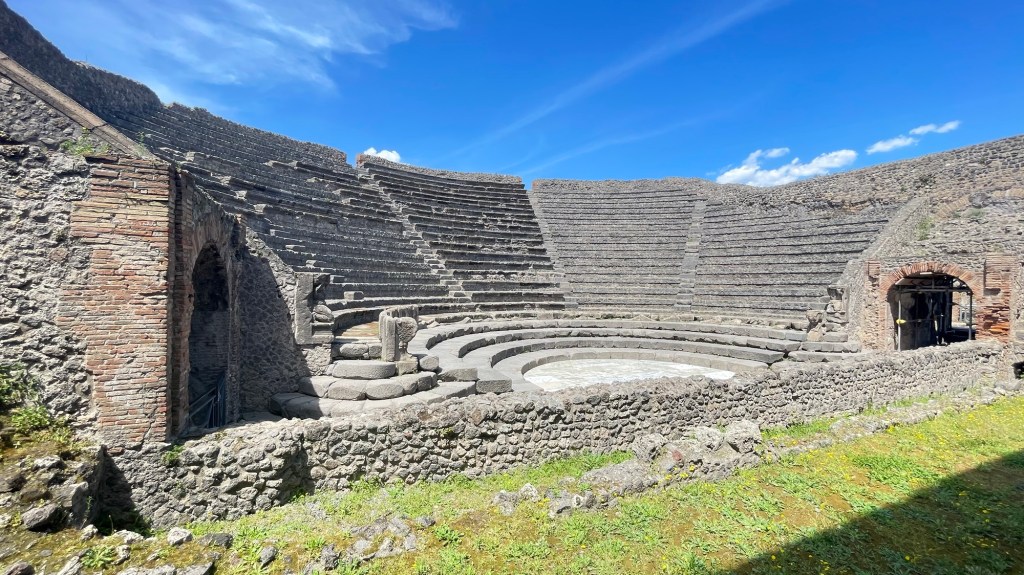
Pompeii amphitheater 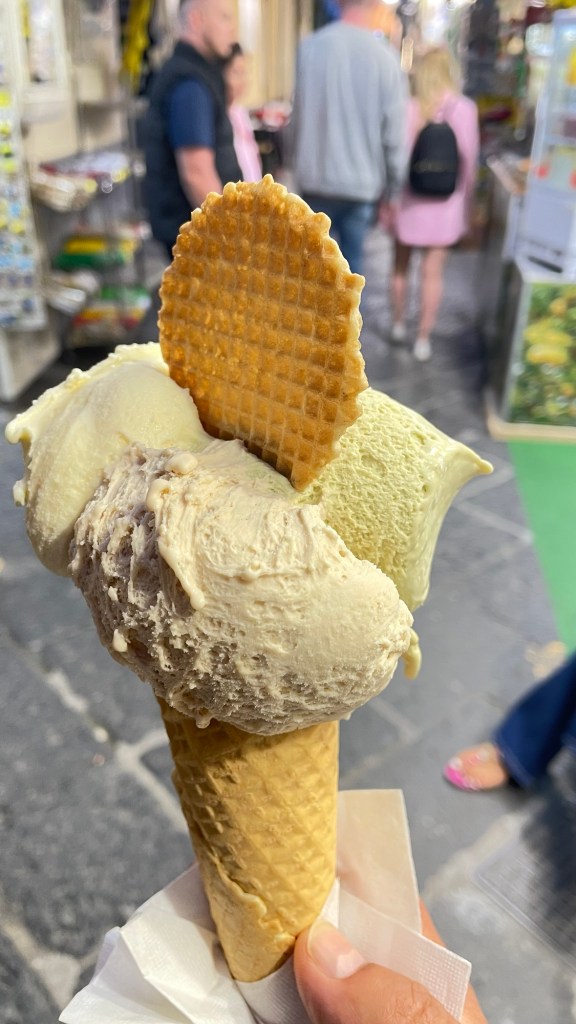
Gelato 
Anchovy pizza 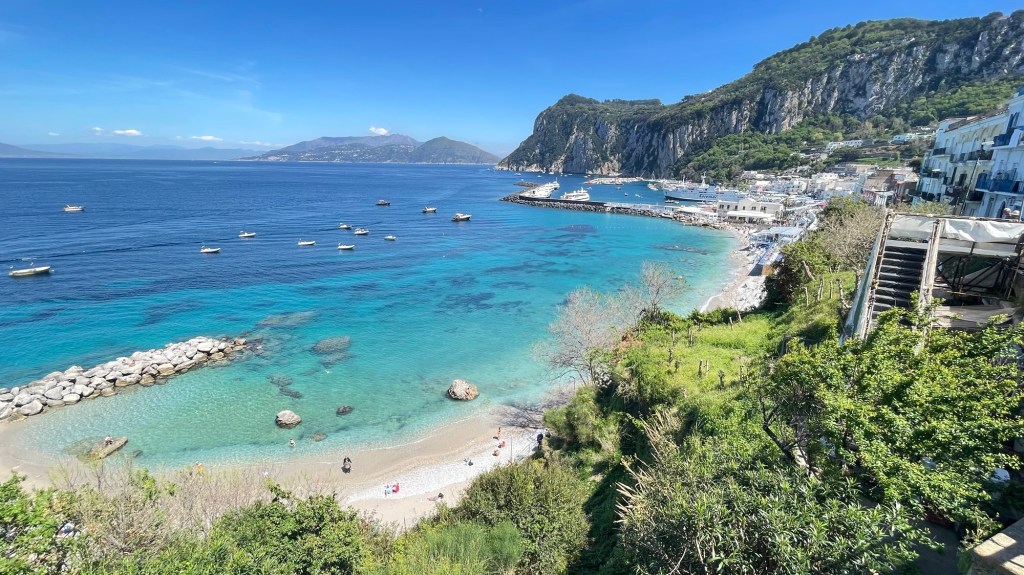
Capri 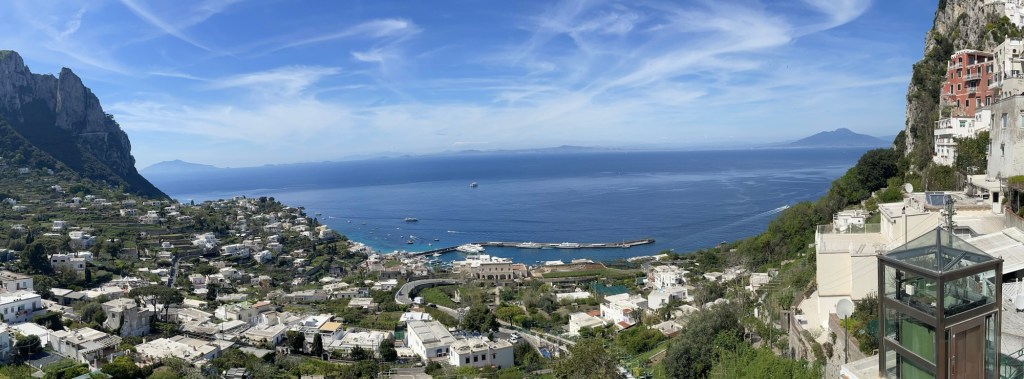
Capri from cable car 
Atrani beach 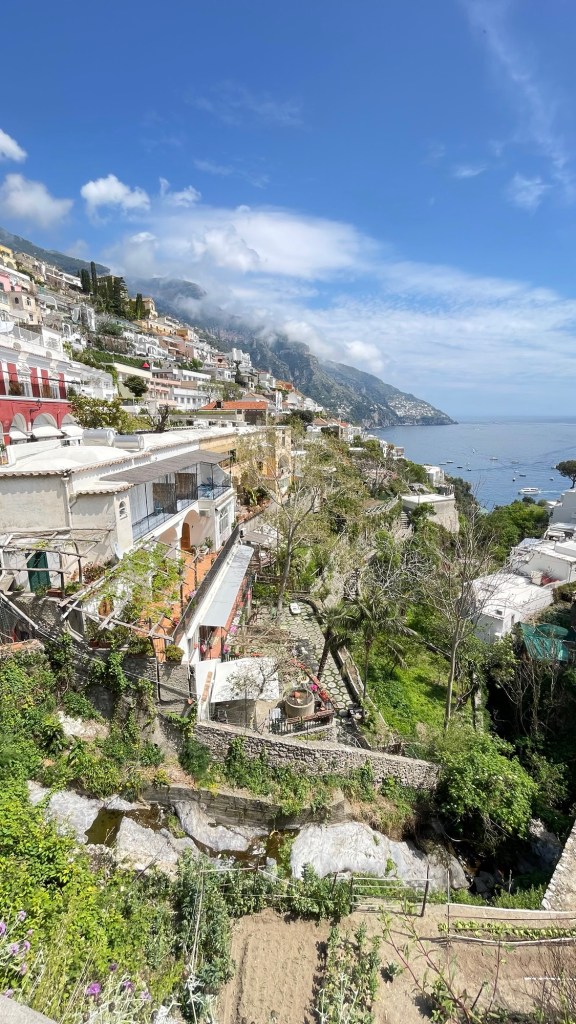
View of Positano Tips for Naples and the Amalfi coast
- Driving in Naples is challenging….
- The Amalfi coast is a joy to drive. Give yourself time to slow down and enjoy the views.
- Pompeii is a full day visit, totally worth it
- Sorrento is a great base for visiting Capri and a marvelous town on its own
- Positano and Atrani are places where you can relax and enjoy the food and views
TIL next time, walk good.
Alex and Phyll
-
Madrid to Logroño (La Rioja)
Madrid is the capital of Spain, it is a transportation hub and political center. We started the trip to the Rioja region in Madrid by train. We travelled on a train from one of the new companies in the market, Iryo. The ride was fast, reaching speeds of 300 km/h, and comfortable.
La Rioja is one of the main wine regions of Spain, its red wines are known globally. There are centuries old wineries, with impressive facilities and a rich tourist circuit. The Museum of Wine Experience, is unlike anything you will see anywhere and it is dedicated to knowledge and history of wine making.
Logroño is the capital city of the autonomous community of La Rioja. Founded on the shores of the Ebro river, the city has been around for a very long time, starting with the Romans. It is at the very edge of La Rioja, so you can easily cross into Navarra or Basque Country by roads. Logrono is located in a valley, surrounded by wineries and vineyards, and just 1.5 hours by road from Bilbao.
We visited 3 wineries, each one very different in location, size and character. Well known winery Muga, located in Haro, has an excellent tour and tasting. You get to wander among their barrel rooms, see how they make their own barrels, even the oak they buy from France and the US, I highly recommend a visit.
We next visited Viña Tondonia winery, (R. López de Heredia). It has an impressive and exquisite tasting area and a stand that was designed for the World Fair with a decanter-shaped metal building that protects it. The last winery was Campo Viejo, just a 5 minute drive from Logroño. It sits high on a plateau, surrounded by vineyards and the nearby mountains. Most impressive is its underground cellar that holds about 70,000 barrels, each of 225 liters. The room size is staggering, yet 2 people are in charge of moving all those barrels. It is an excellent place to have wine mature and gain character.
Of special mention is the Vivanco Museum of Wine Culture. Its rooms display artifacts about all stages of wine production, from field tools to oversize grape crushers, amphorae, and the largest collection of corkscrew openers in the world. The on-site restaurant has great food and impressive vistas.
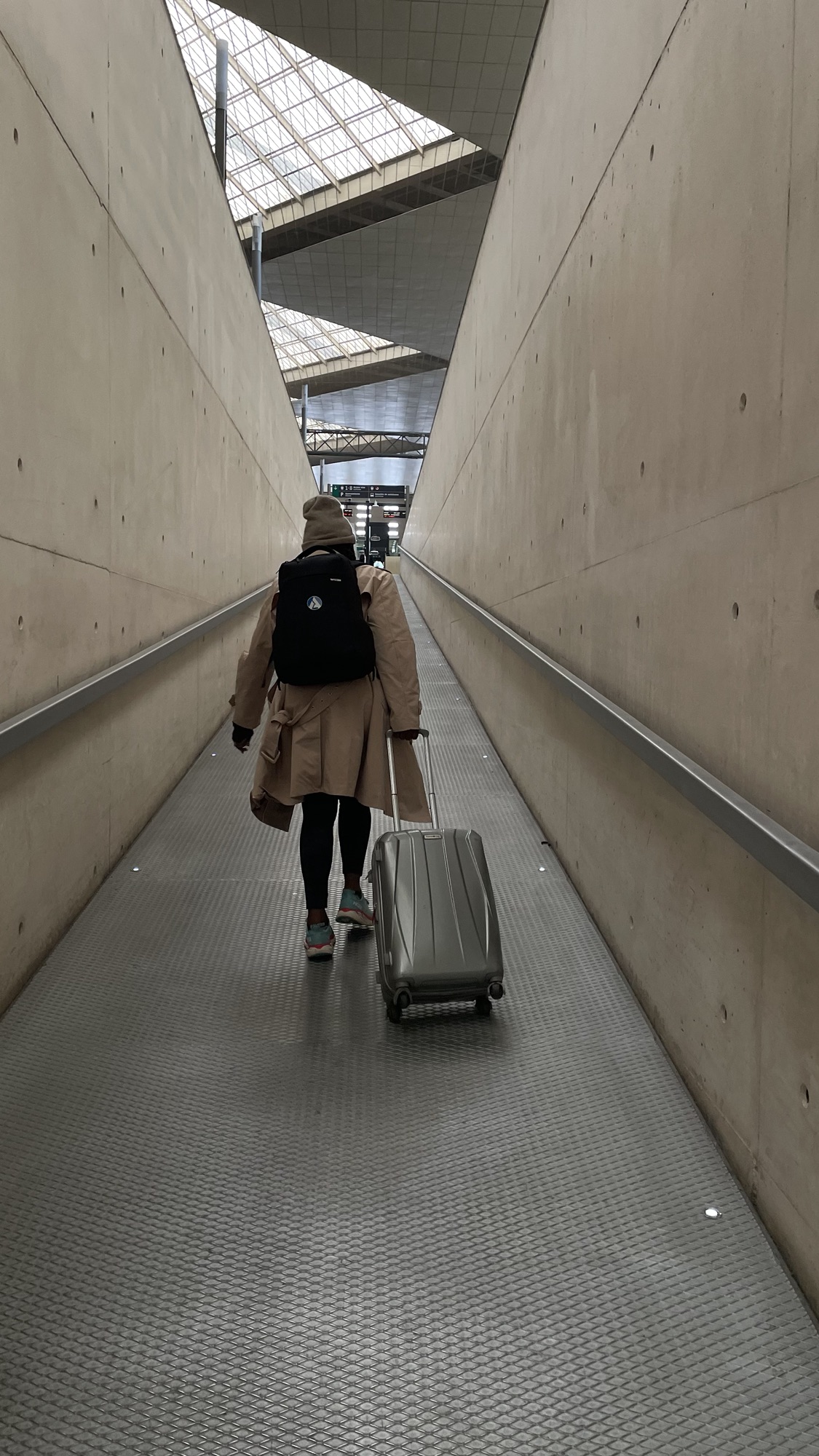
Traveling by train 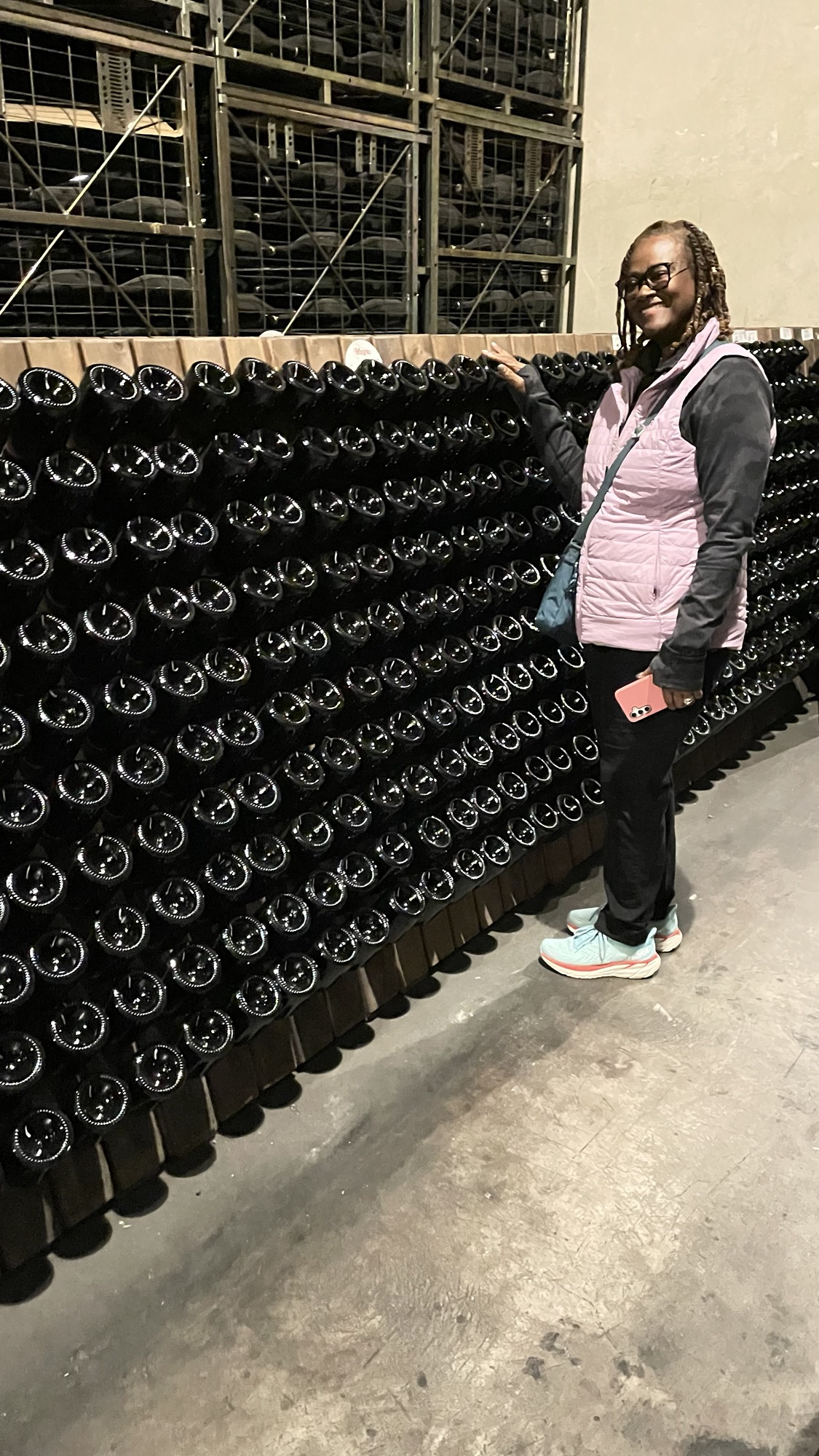
Wine cellar @Muga We visited the Frank Gehry-designed restaurant at the Marqués de Riscal Winery. Located in Elciego/Hiribidea, the winery is well known for its production. The building resembles a lot the Guggenheim museum in Bilbao, yet its location and colors that remind of red wine are well worth a visit.
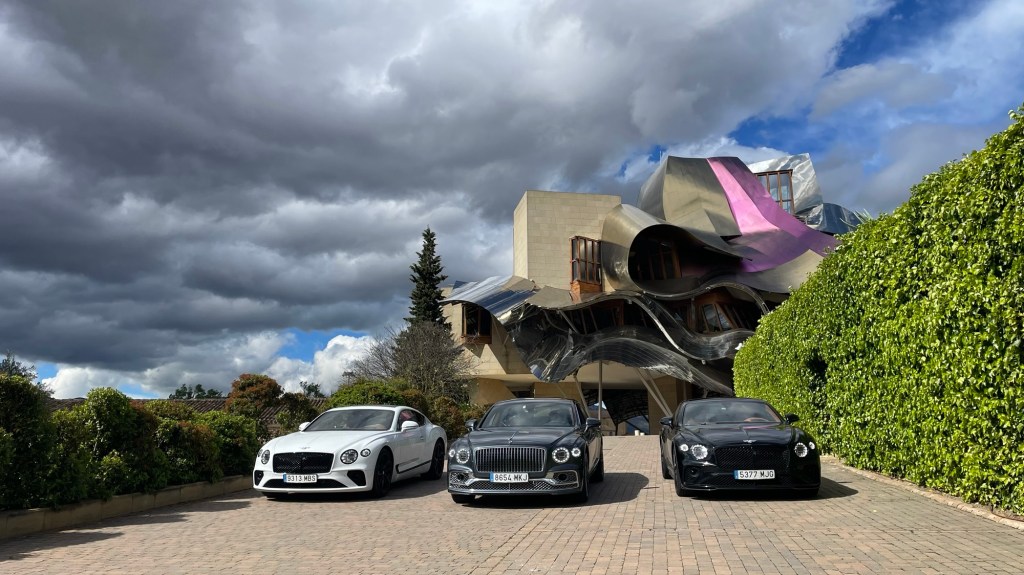
Marqués de Riscal The landscapes of La Rioja was a surprise to us, its meandering roads took us through quaint villages, ancient ruins, soaring cliffs, and imposing vistas. You could spend a lifetime hiking these hills and discover new places each time. The extensive vineyards, stretching for miles around, make this vibrant region an economic powerhouse and wine lovers dream.

Campo Viejo winery 
View from a 13th century castle Cuisine
Logroño is famous for its tapas/pintxos. One unusual feature of a ‘pintxo crawl’ is that each shop specializes in one type of pintxo, like mushrooms, tortilla or seafood.
Tips to visit La Rioja
1. Fly into Bilbao and take the train to Logroño. With more frequent trips, it would be faster than taking the train from Madrid.
2. During the summer tourist season it could get quite busy. Book your winery tours and lunch in advance.
3. Logroño is a part of the French Camino de Santiago. You could make it one of your stops on the way to Santiago.
Til nex time.
Walk good
-
Andalucía: Malaga and Tarifa
From Malaga driving southwest, the Mediterranean lies to the left and the hills of Andalucía to the right. The highway crisscrosses some of the famous towns in the Costa del Sol: Marbella, Mijas Costa, Estepona, Puerto Banus, Ojen and more.
Tarifa lies further south, just after Algeciras and at the end of a magnificent climb through hills where windmills line the vista like cars on a motorway. The Atlas mountains of Morocco are visible from Tarifa and Algeciras. This mix of seas and mountains, and the feel of the winds coming from the Atlantic, on a sunny spring day, makes for an unforgettable road trip.
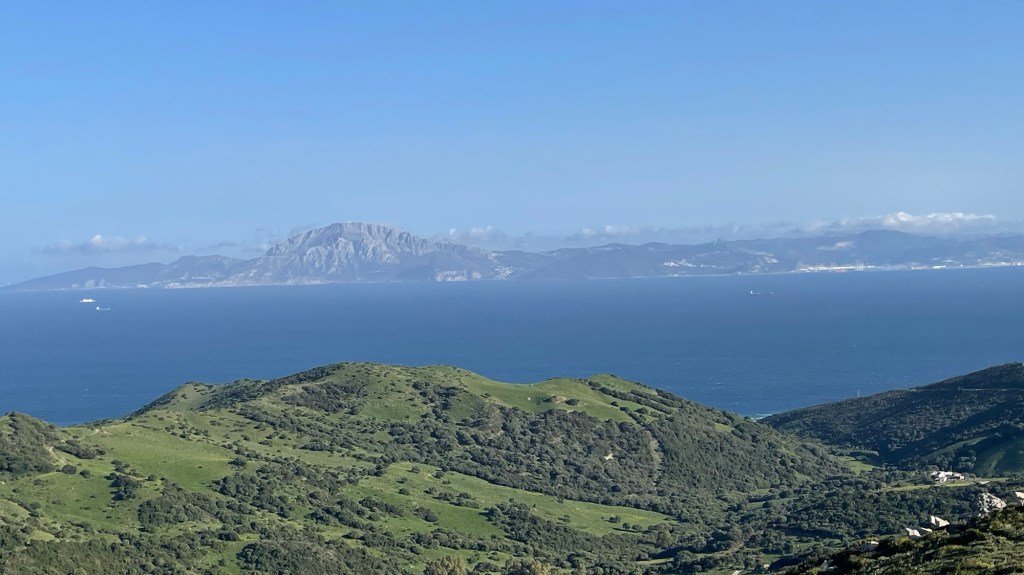
View of the Atlas Mountains across the Mediterranean on the way to Tarifa 
Sand dunes outside Tarifa 
View of the Atlantic with the Atlas mountains in the background Tarifa is regarded as a kitesurfing paradise. With its wide beaches,sustained and powerful winds, makes the weather a perfect combination for surfing. In Tarifa you can easily catch a ferry across the Gibraltar Strait for a quick trip to Tangier in Morocco. At the end of Tarifa both the Mediterranean sea and the Atlantic ocean is visible just by turning your head from side to side, to the left is the Mediterranean, to the right is the Atlantic.
Just outside of Tarifa towards, Cadiz, you are simply suddenly amazed by the presence of large sand dunes. You can drive by for the views of the sea and hills from your car, stop and take amazing pictures or simply indulge yourself in the mesmerizing landscape, enjoying the Mediterranean breeze.
Tarifa feels like an outpost..a very interesting one. It seem to lie at the very edge of the land. A place where two large bodies of water meet for a rendezvous with big skies, colorful sunsets, and a view of the inviting Atlas mountains across the strait.
Cuisine
Seafood is a cornerstone of the Andalucian diet. Most common are grilled sardines at the beach, shrimp, cod, and other crustaceans.
Jamón ibérico or serrano, together with local cheese are common dishes that pair well with local vermouth.
You will find several popular local sweet wines.

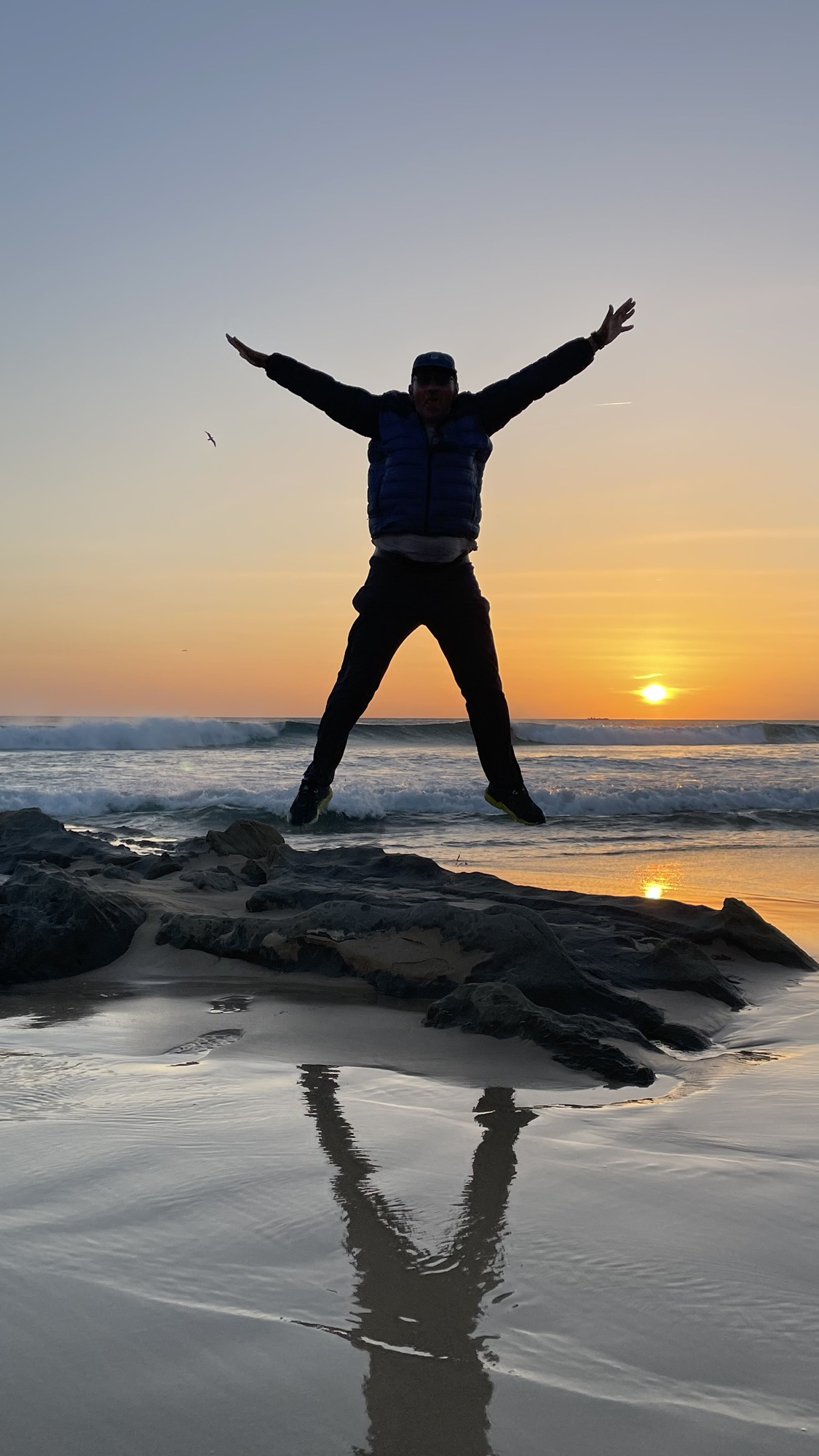
Beaches
From Malagueta to Tarifa, there are myriad beaches for all tastes. Some pf our favorites are Malagueta and Mijas Costa and Benalmádena.
Tarifa 
Malagueta Tips
1. Make time to visit Gibraltar. It is a fascinating place, this massive mountain jutting out into the Mediterranean. Climb with the cable car or the Mediterranean steps and enjoy the flora and fauna and 360 views that surrounds you and remember to catch up on some rich historical facts about this area of Spain.
2. If you drive to the ferry, you may not be able to return your rental in Tarifa, check with the company to see if you will need to return the car in Algeciras.
3. Bring warm clothes for the evenings, it is often windy and chilly after sunset.
-
On the road in Morroco-Tanger to Essaouira
We arrived in the port of Tanger Med by ferry from Algeciras, Spain. It was very organized and short crossing of 3 hours 35 minutes. From here we traveled by taxi to bustling Tanger city for €65.
Tangier sits in the Mediterranean, across the straight of Gibraltar from Tarifa and very close to the Atlantic. Its bustling Medina of narrow streets and myriad shops invites you to walk and discover.

Medina alleys 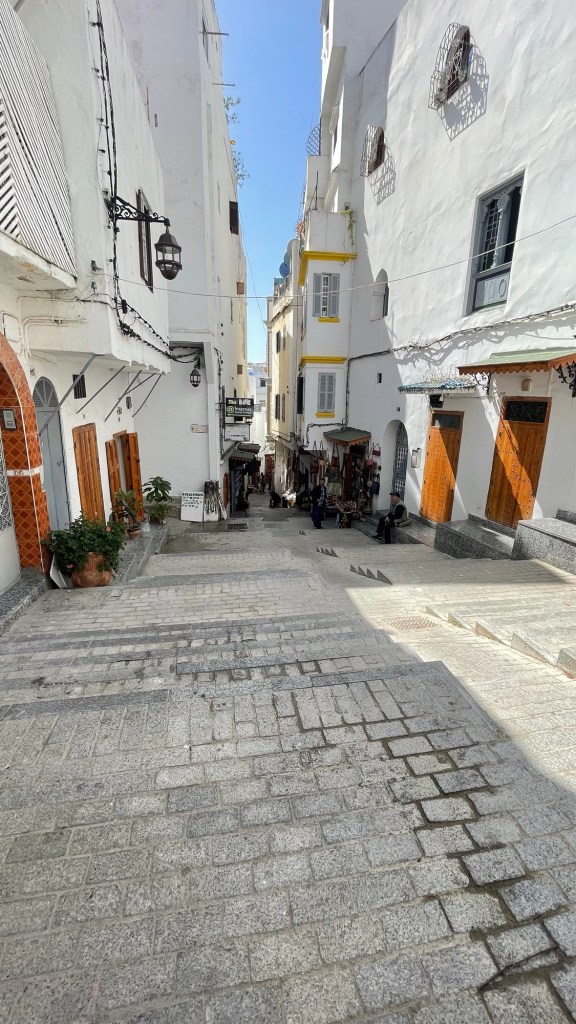
Shopping 
Overlooking the Mediterranean By car we headed across the Rif valley, skirting around numerous villages and farms at the base of the Atlas Mountains. We drove about three hours to the village of Chefchaouen. We noticed an impressive sea of blue and white buildings hugging the hillside. We parked and climbed up over 100 steps up to our hotel, the smell of roses and Jasmine emanated from everywhere on the property. Chefchaouen is an incredible place to visit for the food and hiking.

Dusk in Chefchaouen 
View from hotel Dar Jasmine 
The blue city Our drive to Fez was an interesting one. We were stopped several times by the police who claimed we always made driving infractions for which we must pay. They would show us a fine on a big book, reduce the fine significantly then tell us to have a good trip after we paid. On the way we encountered some old customs: donkeys being used for everyday tasks; drawing of water, produce and for transporting people. Fez has the largest and oldest Medina in Morroco. To visit, you will need a tour guide to navigate the maze of shops and alleys. Our guide showed us a plethora of things sold here including the leather and dye factory, numerous carpet, textiles and clothing stores. The best part for us was strolling down dark passageways to emerge at some exquisite shops where we were invited to have mint tea and learn about the Berber people living in the Atlas mountains and their centuries-old weaving talents and traditions.
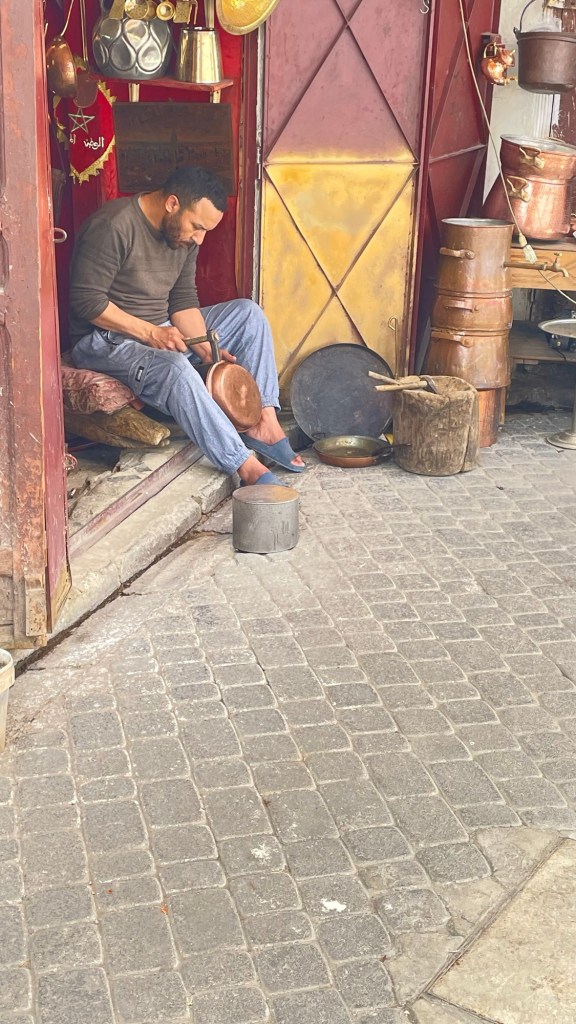
Coppersmith 
Berber carpet shop 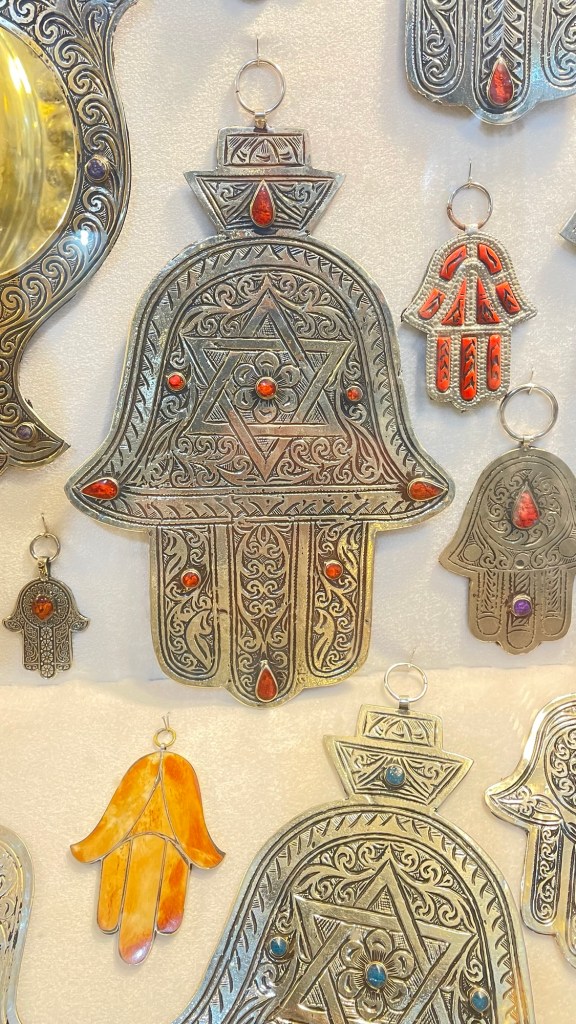
Fátima hand motif 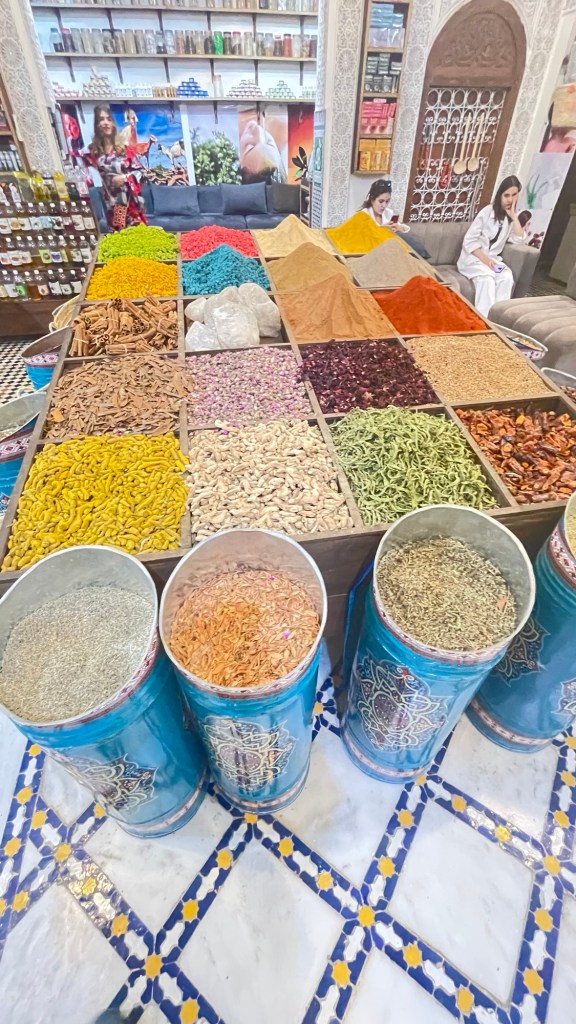
Spices in the Medina From Fez we continued to Casablanca and Marrakech. Casablanca is mostly commercial and home to the spectacular Hassan II mosque jutting out on the shores of the Atlantic Ocean.
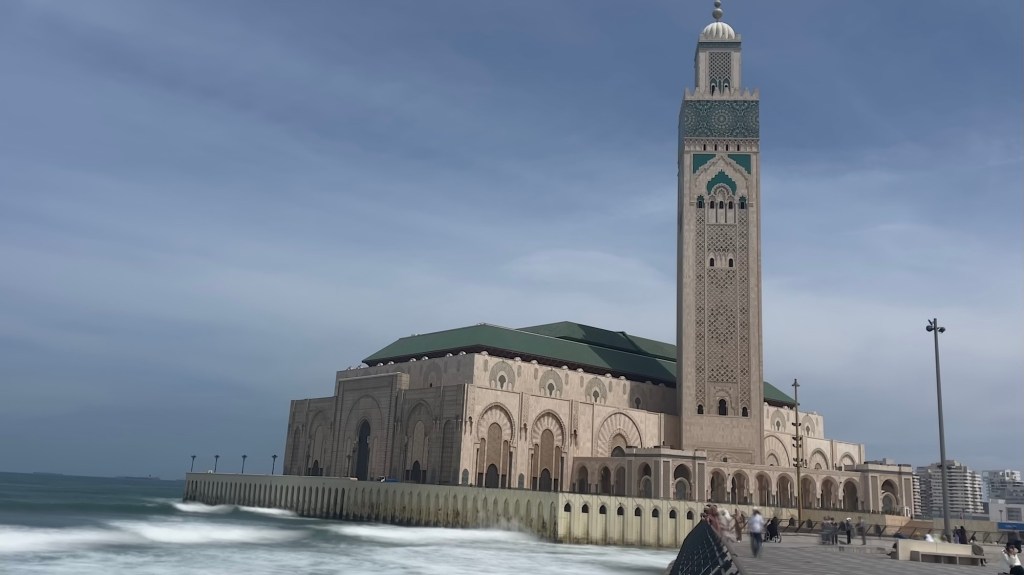
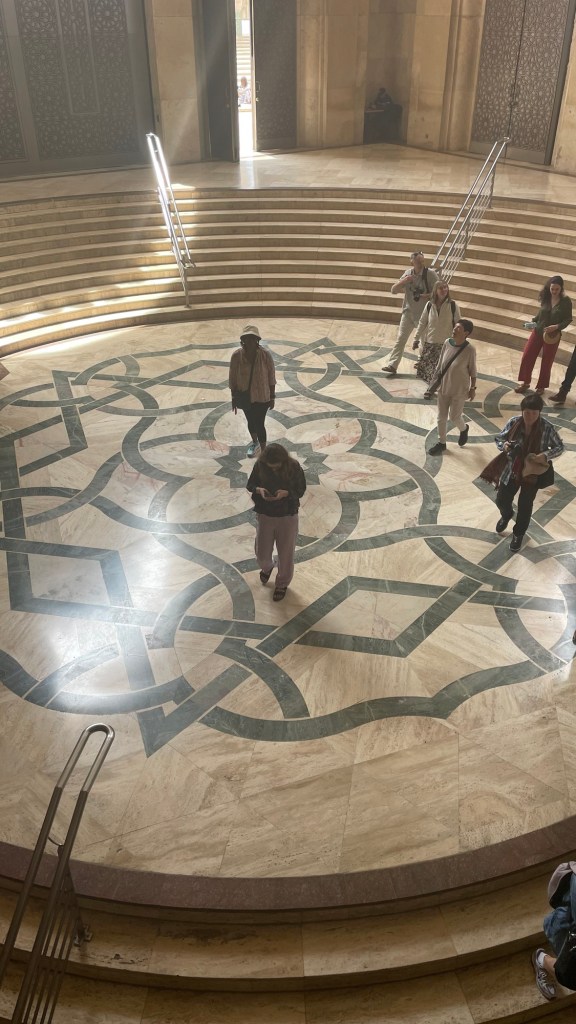

Hassan mosque Marrakesh was very tourist oriented. The Medina is smaller than in Fez but it is a very busy city.

Bahia Palace 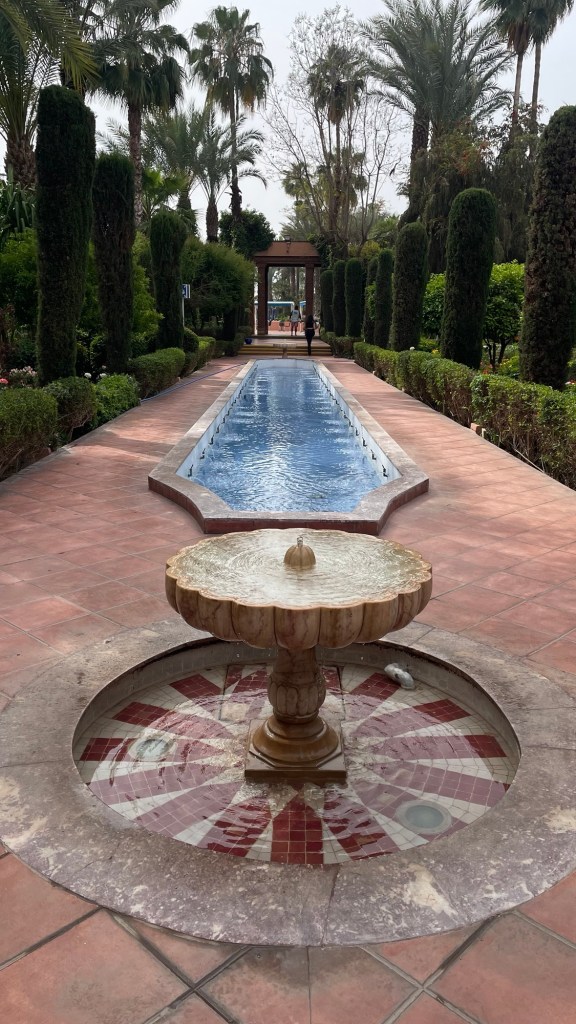
Fountain at Nfis hotel 
Bahia Palace courtyard We left Marrakech for Essaouira. Located on the Atlantic coast, this soon proved to be our favorite city in Morroco. With warm days and cool evening temperatures, it was the perfect summer. Many outdoor activities are possible, including city tours, food tours, camel back riding, Quad rides over dunes, sailing, surfing and many more. From Tangier to Essaouira, we found the Morrocan people charming, helpful and welcoming.

Fresh local seafood 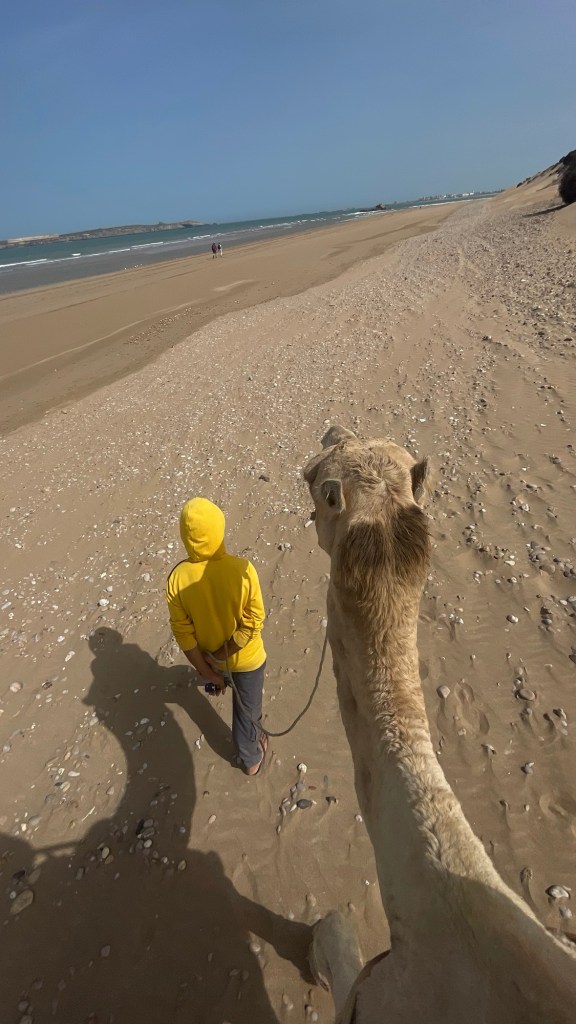
Camel ride in the dunes 
Sunset by the beach Tips for Visiting
1. Do not bring ant types of drones. You will have to pay a fine and you will receive it back as you leave the country.
2. Have local cash ready to pay the traffic cops if you plan to drive. You will also need it to pay tolls.
3. Dress modestly outdoors, especially in rural areas, it’s a sign of understanding and respect.
4. Try different foods. You can be surprised by the culinary creativity of the locals.
5. If you visit any shop and are invited to tea, it means they want to sell you something. It’s okay to politely decline the tea.
Walk good,
PHB
-
Jamaica
We say Jamaica and we think excitement, chill, great food, culturally rich and up with amazing positivity. This island stands out not only for its athletes and music but also for the relaxed atmosphere that surround and embraces your soul.
After arriving in Montego Bay airport we headed directly for the RIU resort Montego Bay. Only 10 minutes ride away, you are immediately immersed in the islands vibes. The property is large as it is three hotels located near each other, RIU Reggae, RIU Montego Bay and RIU Palace. Lots of people and noisy but we love to stop here just to catch the island vibes.

Sunset in Negril 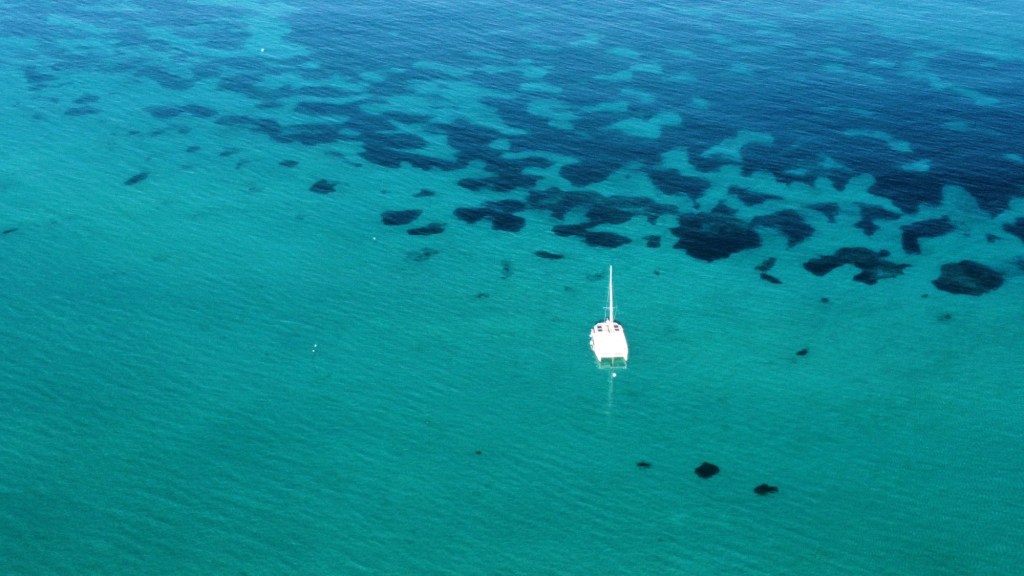
Clear Caribbean waters 
Great fruit selection We spend time deep in the cockpit country in Trelawny rediscovering the tiny village in which I was born. Still remote but no longer the sleepy quiet place I remember. The vistas more magnificent than I remembered and still a lovely cool part of the country.

The Hiils of Trelawny 
Bamboo avenue Kingston, as always has many surprises. From the hills of St Andrew you can mostly se all the way to Port Royal and the new shipping terminal. The dining experience varies but a few restaurants we visited had excellent food, beverages and service. The Tap House and Peppathyme on the grounds of the Constant Spring Golf course and Uncorked too located in the Town Center Plaza on Constant Spring road.

Hills around Kingston This visit we went to Little Ochie in Manchester for fish and festival by the beach, low key and enjoyable place. The highlight of our trip was a visit to Hampden Estates in Trelawny. Hampden is the home of the famous Rum Fire and several aged versions. Tucked deep in cockpit country it is a challenging drive to get there as drivable roads are barely existing. However, the tour and lunch experience we had was well worth the uneven, bumpy and pothole ride to get there.

Hampden Great House 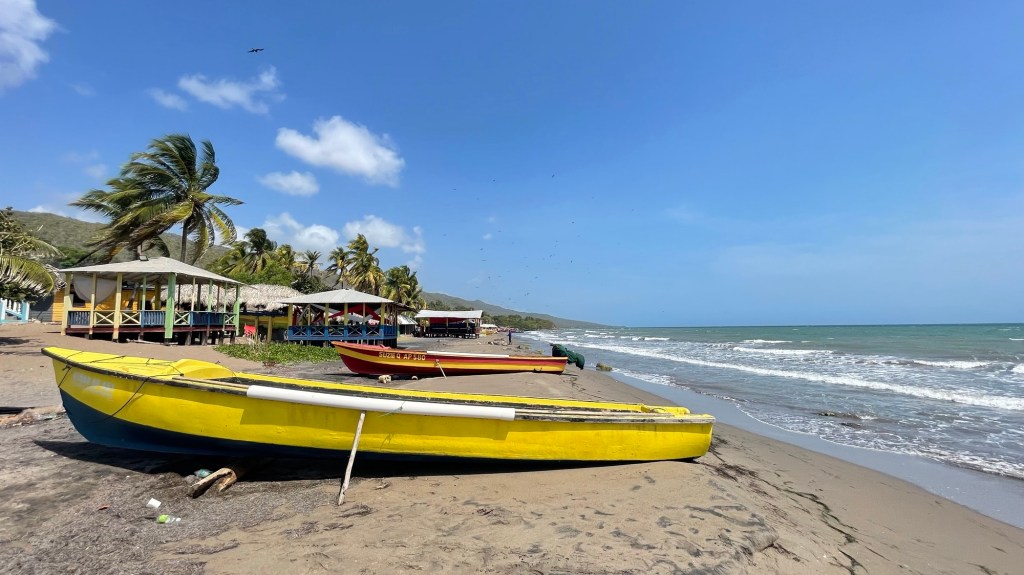
Little Ochie 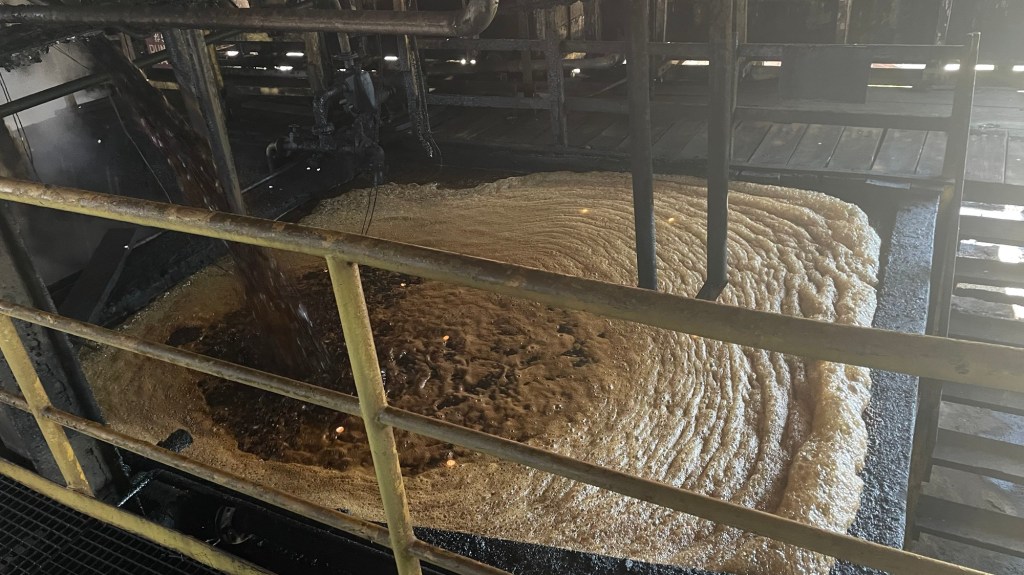
Rum fermentation at Hampden 
Caribbean Chill 
Caribbean waters 
Little Ochie Tips for your trip to Jamaica
1. Complete the no hassle entry paperwork on line. It makes your entry easier.
2. If you drive have adequate local cash (~$2000) for the tolls.
3. Be on lookout for aggressive drivers. They are everywhere. Avoid night driving if possible.
Till next time,
Walk good
-
Australia
Australia is a country located in the Southern Pacific Ocean, it is a large island and also the smallest continent. Most Australians live along its coasts and much of the interior consists of flat arid and uninhabitable lands. The island is famous for its wines,beaches, food, impressive harbors and surfing.
Sydney
Located in New South Wales, it is the most populous city in Australia.
The Sydney Opera house with its impressive sails is a skyline gem. It was designated a world heritage site in 2007. Designed by Danish architect Jorn Utzon, it’s construction was fraught with delays and costs overrun.
Despite this, the structure has become so iconic and is a source of great pride for Sidney and Australia. We attended a modern interpretation performance of Mozart’s Magic Flute and we were speechless inside the opera house. Like the outside, the impressively high beams and interior architecture was a continuous surprise and joy to us.
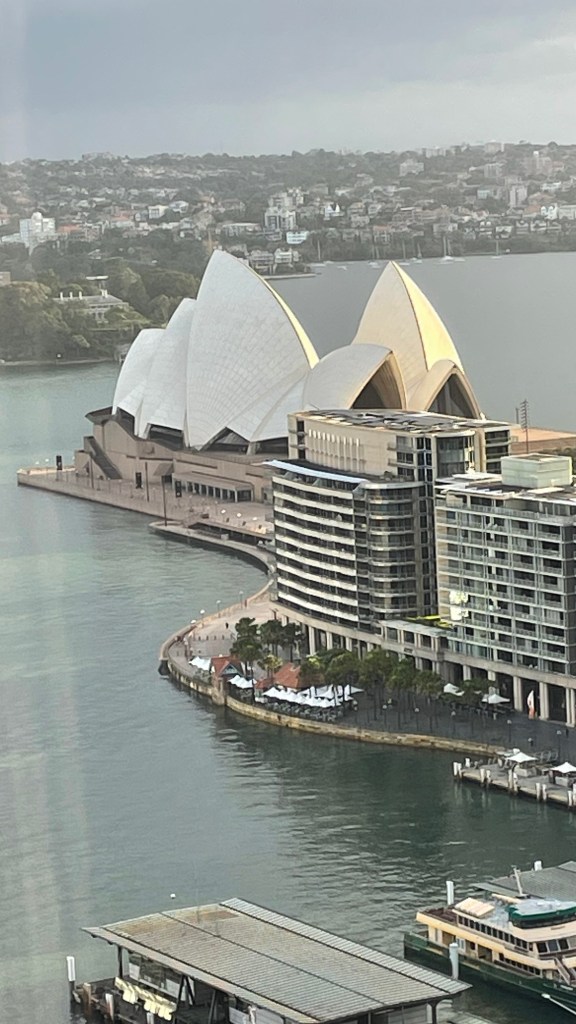
Sydney Opera House 
Royal Botanical Gardens : is located in the heart of Sydney. Botanical gardens are a main attraction for us whenever we are in a city, and we enjoyed immensely exploring the one in Sydney. It is located near the water with several views of the opera house, the Harbor Bridge, and the surrounding harbor and is well worth a visit.
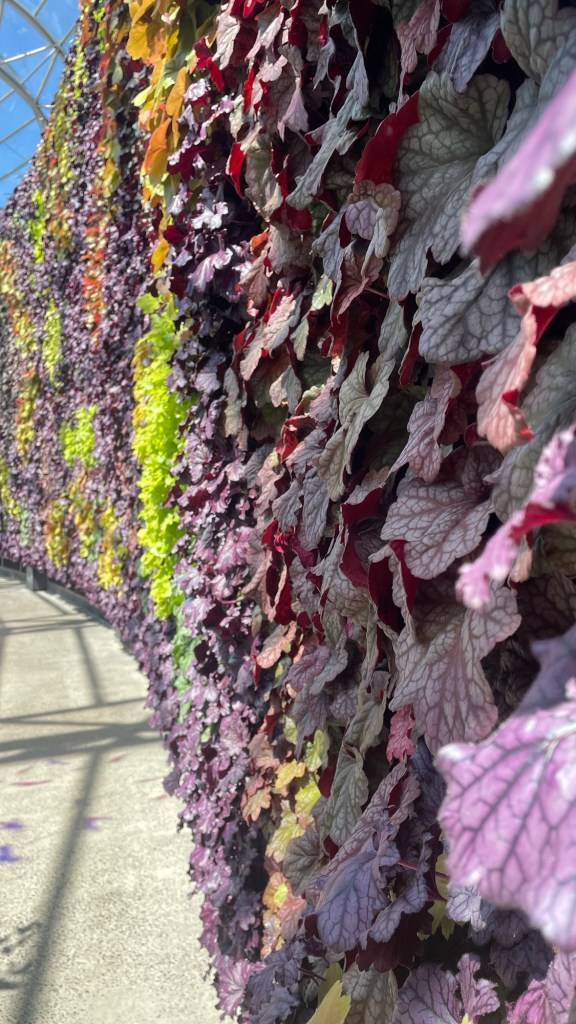
Botanical garden Beaches are a mainstay in and around Sydney. We took time to visit the famous Bondi Beach and took a ferry to Manly beach. These two are huge beaches, with boutique shops, restaurants, and cafes. You can easily sit back and enjoy the energy of this eclectic city or don your bathing suit for a dip in the water. Be aware that the surf on both beaches can be strong and unpredictable. Stay vigilant and mindful of guidance from the lifeguards and sound systems broadcasts and warnings!

Bondi Beach Fish Market: we walked from our hotel along the sea walk, the maritime museum and across Darling harbor to the Sydney fish market. I would say it is not only for buying seafood but also a cultural landmark in this city. The market has two main sections—-one for seafood and another for fruits and vegetables. In the former, we witnessed the heart and soul of the fishing industry. There was every imaginable type of fresh seafoods from the popular stone crabs to lobsters, mussels, oysters, scallops and much more. We were allowed to chose our meal, get photos holding it and wait about 45mins for it to be cooked. We sat in the lovely summer sun on the patio of the market to enjoy our meal as the birds fed on the scraps and leftovers from diners.

Fish market 
Melbourne
Located in Victoria and the second largest city in Australia, on the banks of the Yarra River and popular for its architecture, finance, fashion and culture.
Wine tour: we rented a car and set out on a wine tour in the famous Yarra Valley. We had lunch and a tasting at Yering Station winery then drove another 10 minutes to a small family winery. We saw two rolling clouds that brought rain and lightning.
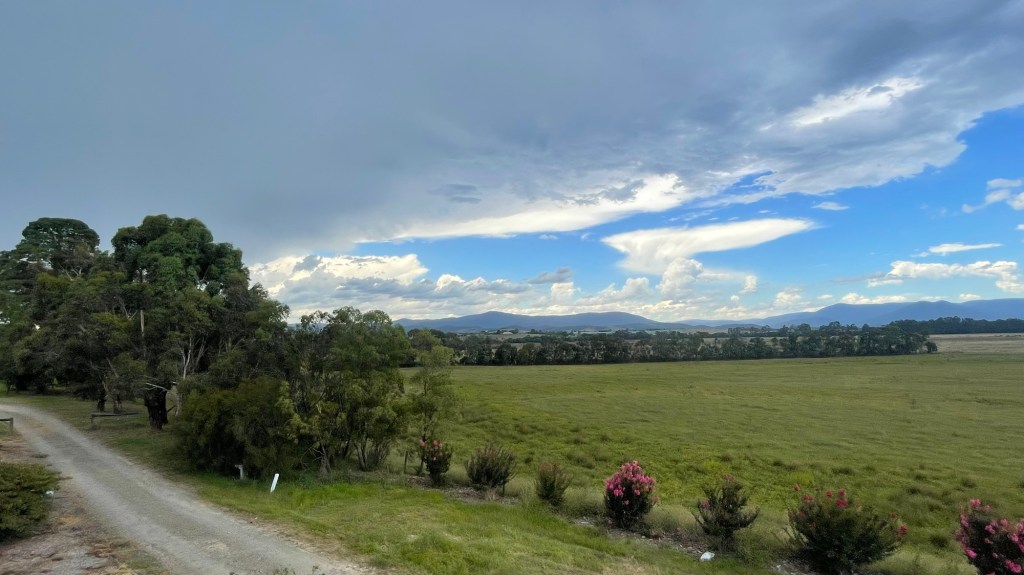
Yarra Valley 
Yering Station Our city tour of Melbourne was brief but we enjoyed the Thai food we had along the Yarra river walk. We mostly indulged in the towering structures of bridges and buildings with the unusual and interesting architecture. One thing that made a huge impression on us were the vertical plaques across one of the bridges that gave a good introduction to the various immigrants that came to Australia and how they brough their unique skills to build upon what they encountered. I encourage you to visit this place as it highlights the variety of peoples who make up Australia and emphasize that they all brought skills and talent that contributes to the building of the current society.
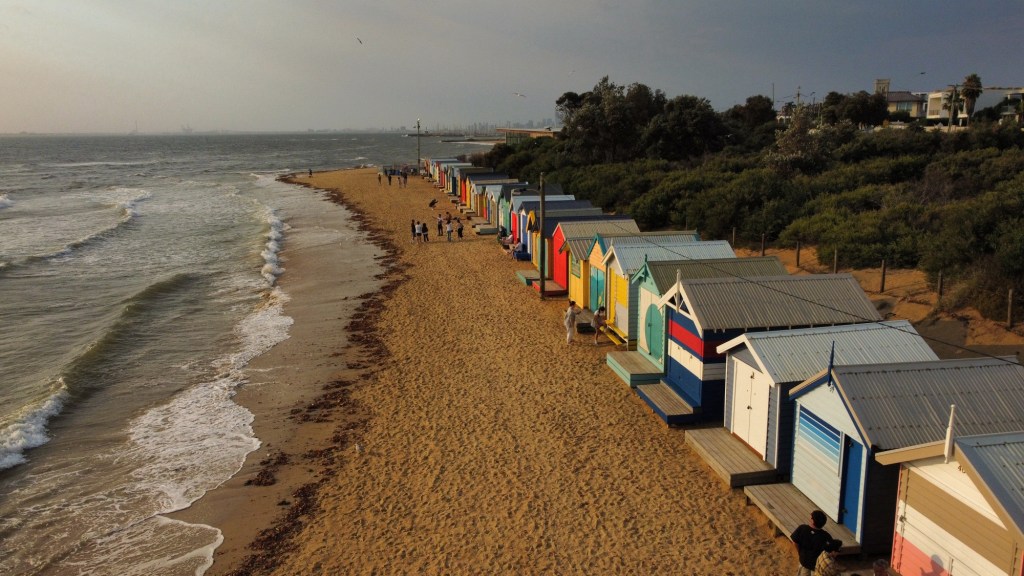
Melbourne Beach 
Melbourne
-
Subscribe
Subscribed
Have a WordPress.com account? Log in now.

