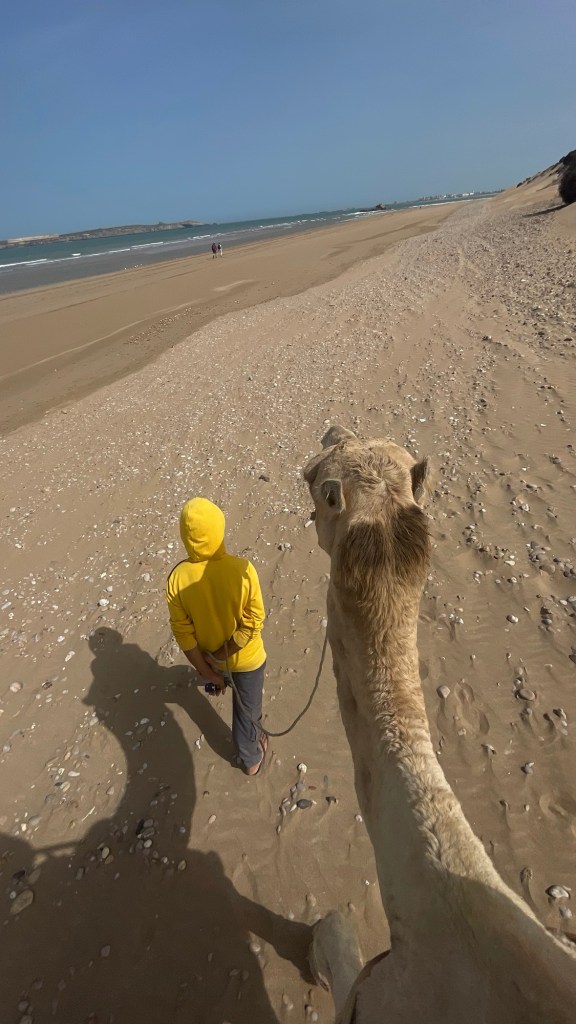
Italy: Rome, Puglia and Sicily

Rome

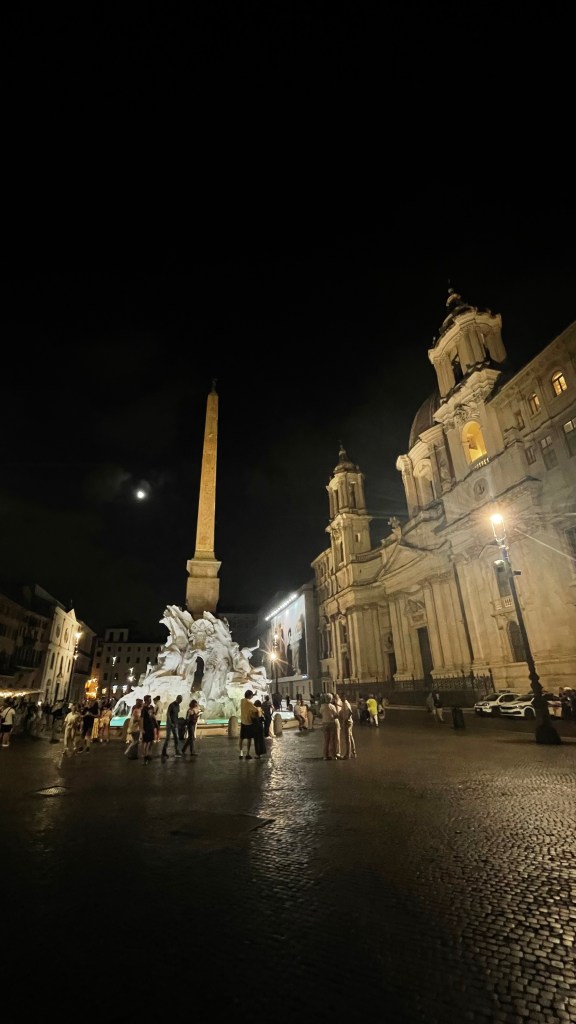
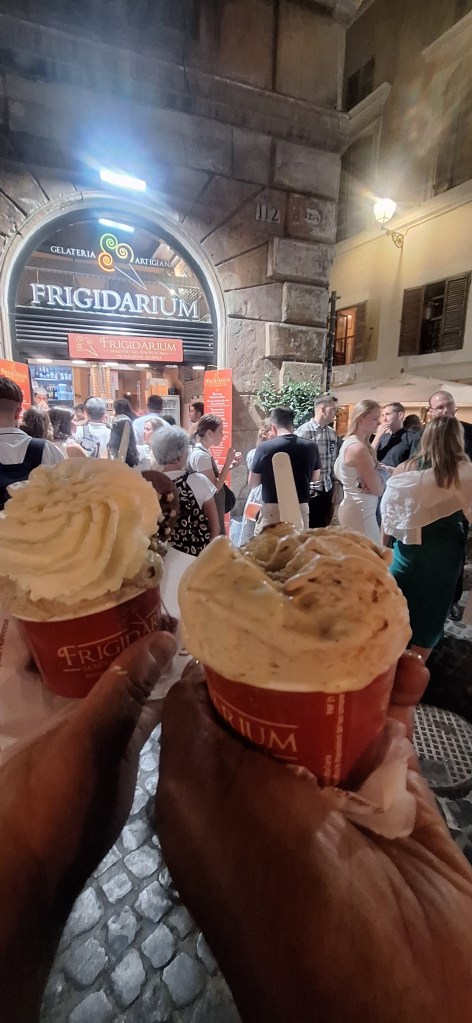
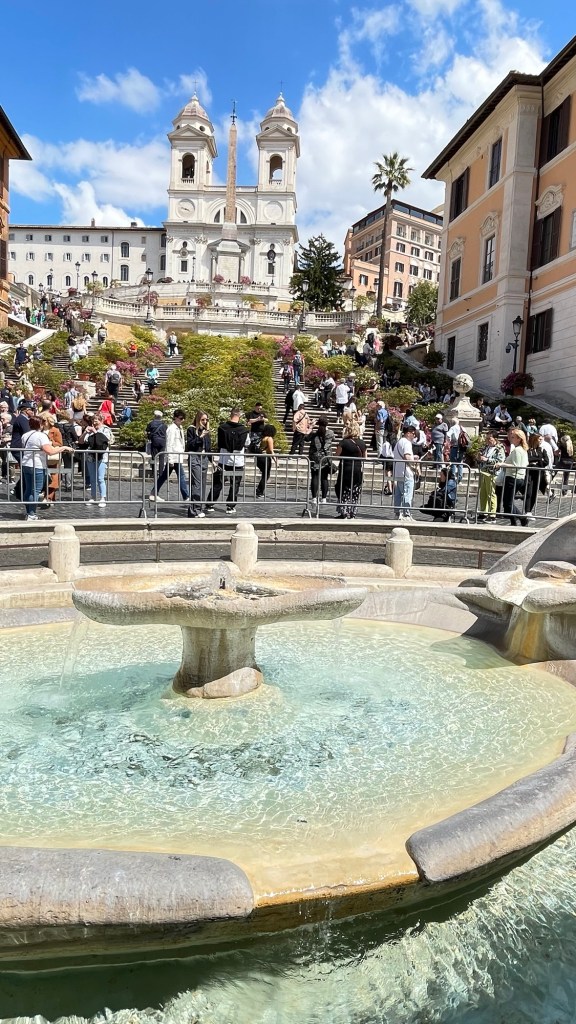
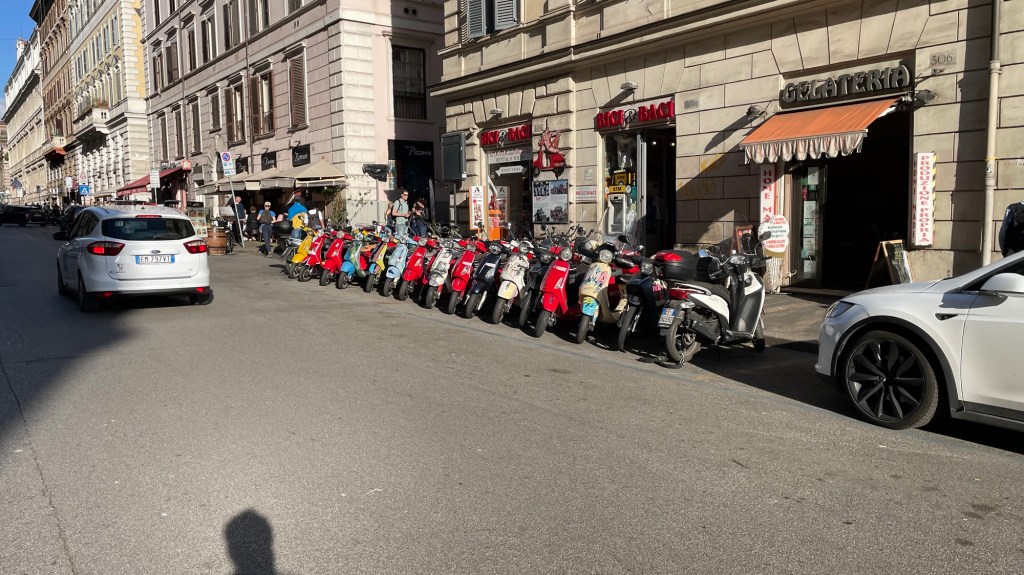
We arrived in Rome to indulge in our usual pasta and gelato binge. It was extremely hot however, we still did some hiking outside the city to experience a bit of the culture and food outside the extremely touristic city center.

Puglia

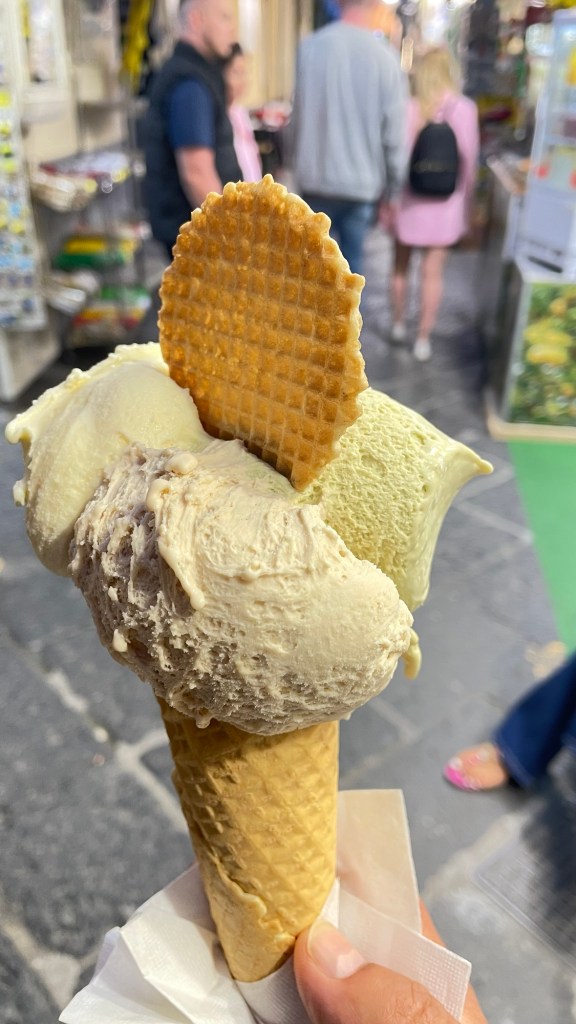
After an uneventful six hours train ride to Bari, we made a plan to set up base in Brindisi and explore the surrounding areas in Puglia. Brindisi is a lively city with a compact and interesting old area. It’s extremely walkable, lots of places to experience Apulian cuisine and strategically located close to beaches and historical villages. We recommend Betty’s and Pescheria di porto on the promenade for lunch. You must try the gelato at Chocolosso.
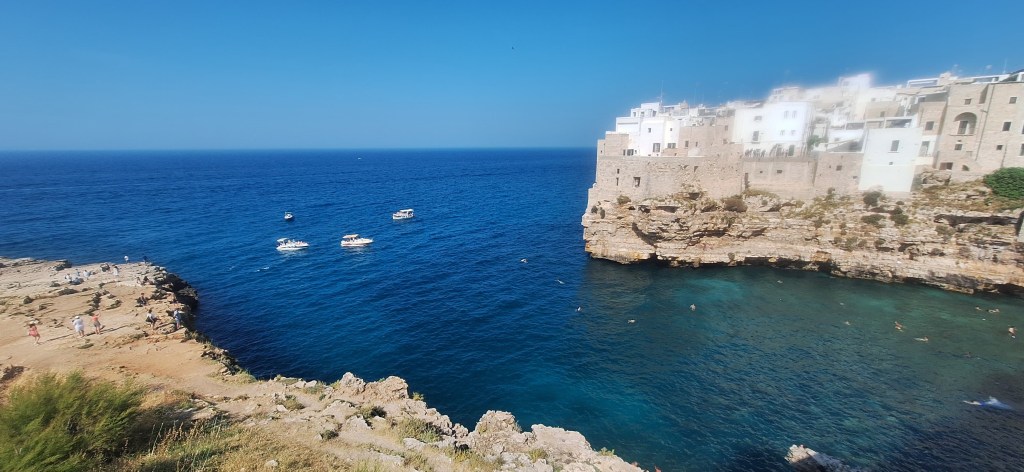
The shoreline in Puglia is dotted with unique and incredible places like Polignano a Mare, a cliffside town.
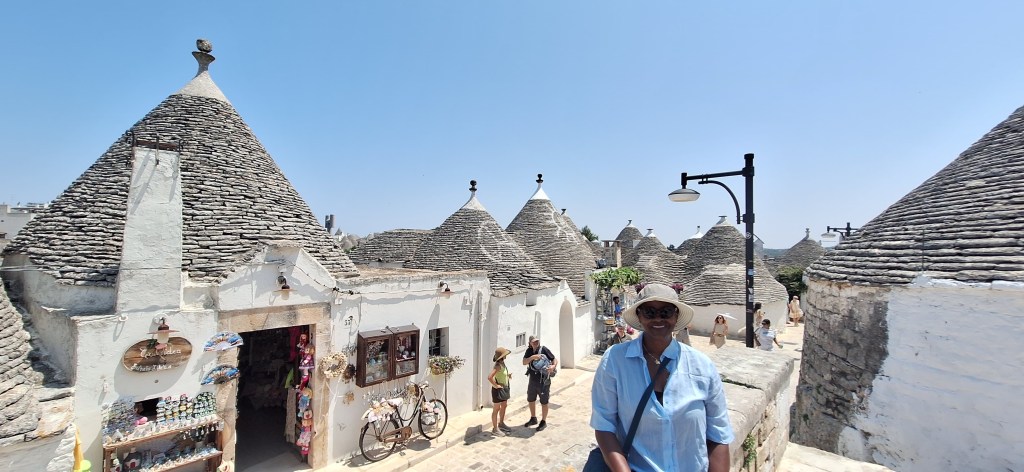
We drove highways and small local roads passing orchards of oranges, grapes and where olive groves make extensive green spaces climbing up huge hillsides and stretching all the way to the edge of the Adriatic sea. We drove up to the high town of Alberobello to see the stunning Trullo architecture, in Locorotondo we walked the medieval streets, and enjoyed Matera, famous for the ancient cave dwellings, restaurants and shops carved into the mountains. We toured one of these ancient cave dwellings complete with chapel and ice storage system in the village. We had great fun frolicking on the beaches along the Adriatic coast, Mosquito beach and Grotto de Poetry were two of our favorite places.

Sicily


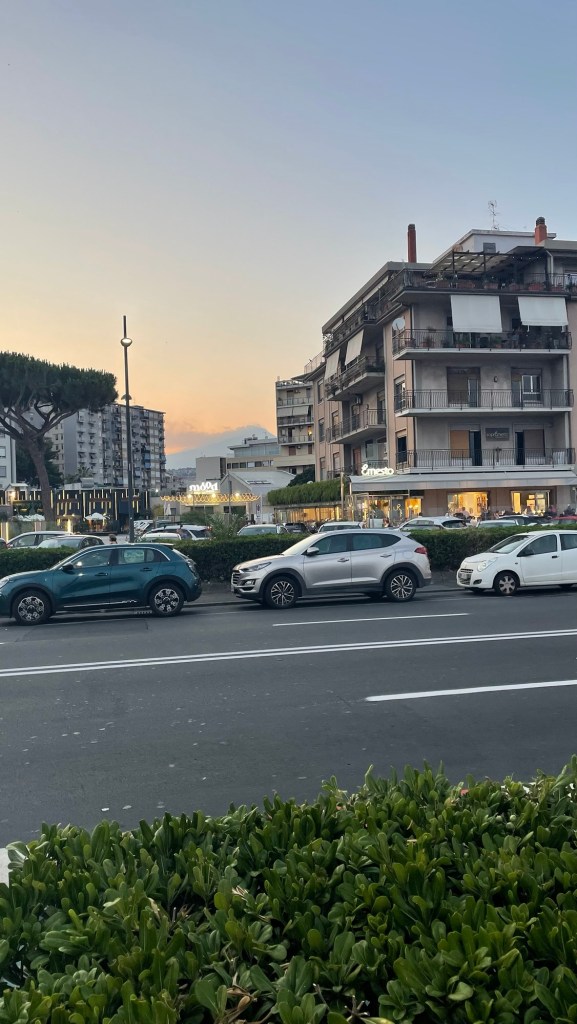
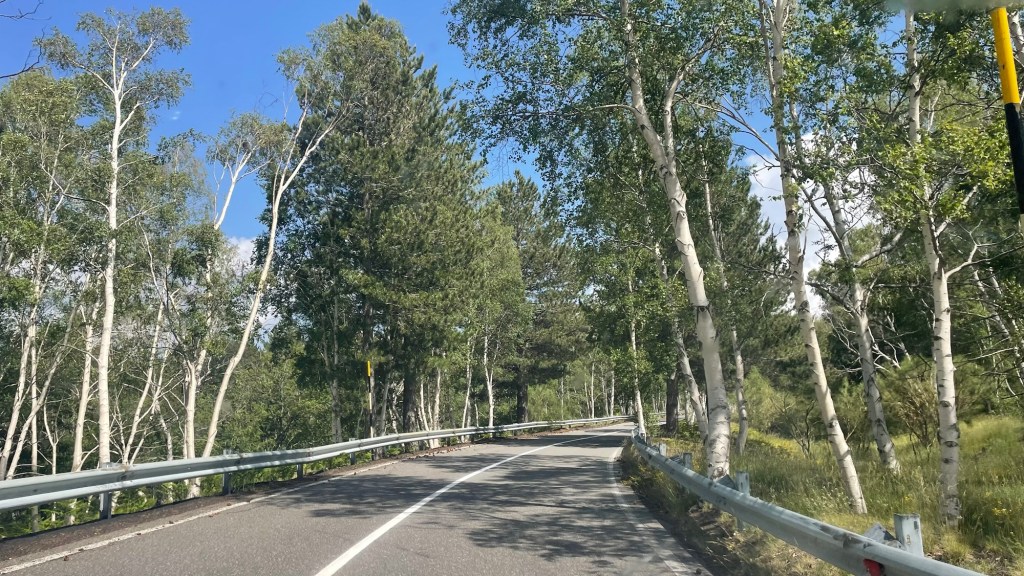
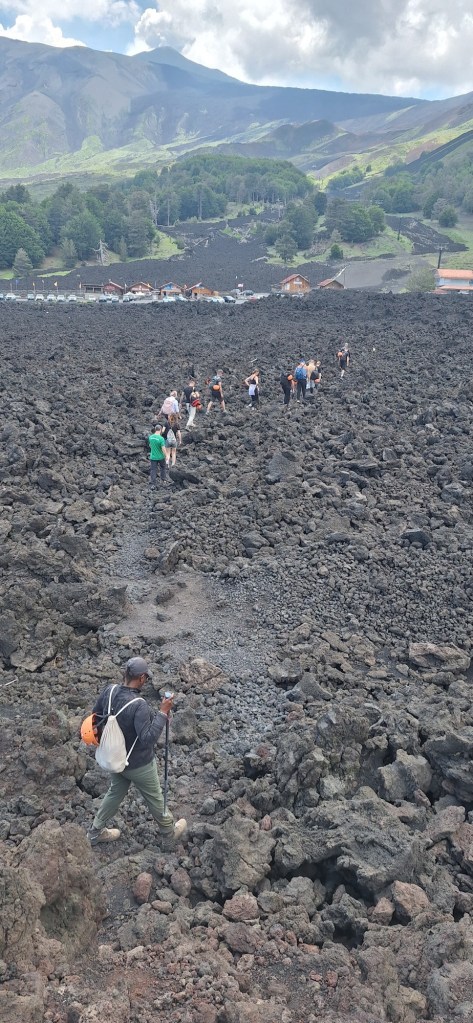
We did not imagine how fascinating and beautiful Sicily would be with its mountainous terrain, clear seas and fresh produce everywhere. We arrived after a 40 minutes boat ride from Villa San Giovanni in the mainland  to Messina. We drove to Catania for our three days in Sicily.  Our first experience was the drive from Catania up the mountain. We drove past small villages with many abandoned houses and farms. Many tropical and subtropical plants thrive in the warm climate of Sicily. The vegetation changes from flowering plants to grapevine on terraced slopes, then came the stunning white birches which gave way to pines and evergreen as you climbed higher up the mountain. We booked the guided hiking tour up Mount Etna. We were uncertain about this trek as the volcano had erupted only two weeks earlier and we could still see steam coming out the crater. This was an actual lesson in the development of primary ecosystems for us. The small circle of life from the spinny plants protects the more delicate plants and provide a hiding place for lizards, bugs and other insects. The air is so fresh, and the hike amazing with many spectacular views of the surrounding villages, the Ionian and Tyrrhean Seas. Every crest offers a view more spectacular than the previous one.

Summary

The sandy beaches of Puglia are underrated and are worthy of a visit. There is so much food and wine to discover! 

Sicily is a gem, the  diamond toe of Italy. Catania channels Napoli, layered, chaotic and astounding.  Etna, wow, a lively landscape from sea to summit. 

We are so grateful for the opportunity to explore, expand and share our appreciation for the human experience.

Tips

  • From June to August, it is quite hot in southern Italy. Plan your day to seek shelter from the sun between noon and 5pm.
  • Prepare to pay a ‘tourist’ tax and service fee at restaurants. In Rome, the tourist tax was 7 euros per day per person.
  • Motorbikes are everywhere in Sicily, drive very carefully, as everyone will move into any open space.

Walk good,

Phyl and Alex
Camino del Norte: A summary

Walking through the innards of Northern Spain you see mostly everything. This year 2025, we completed our pilgrimage from San Sebastian to Santiago de Compostela.  We began the journey last year and walked the mostly coastal trails to Gijon.
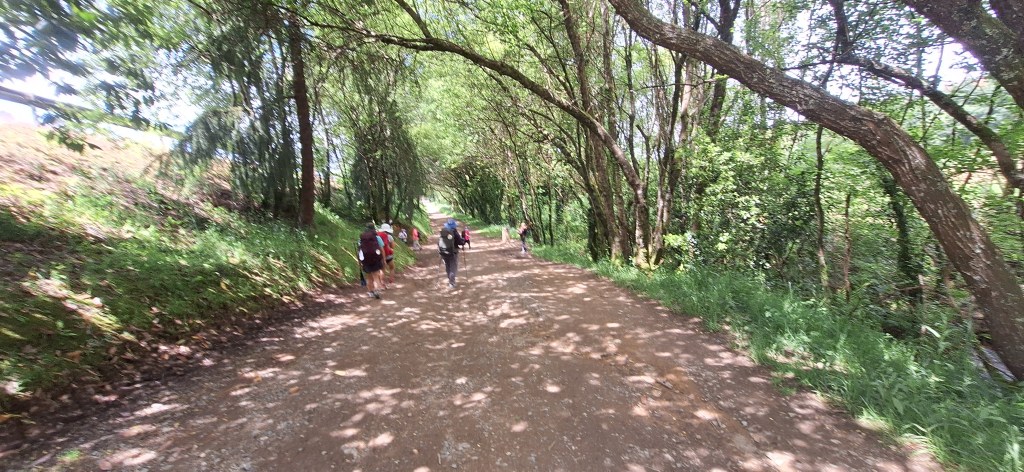
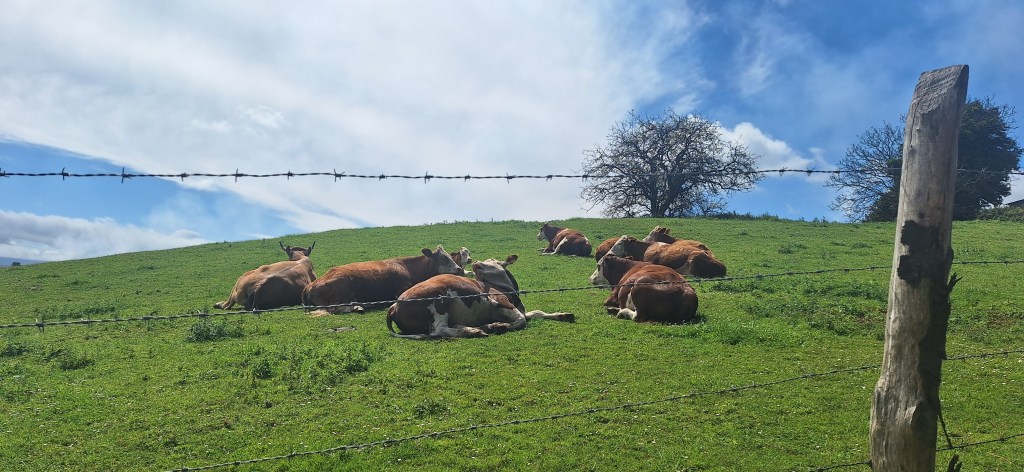
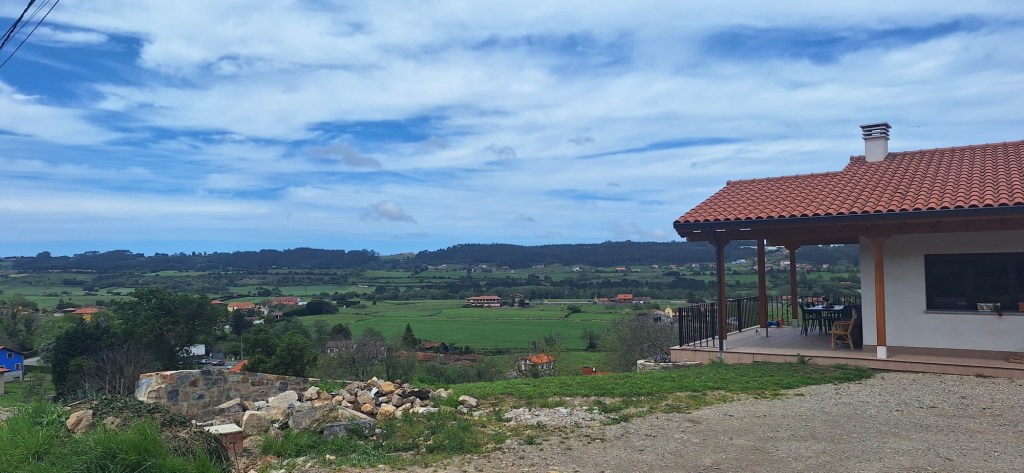
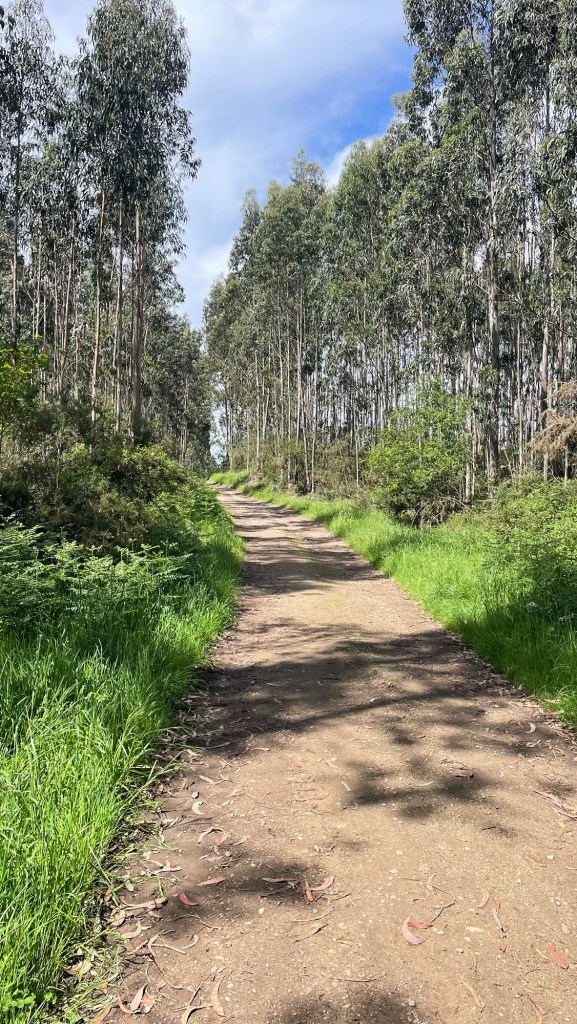
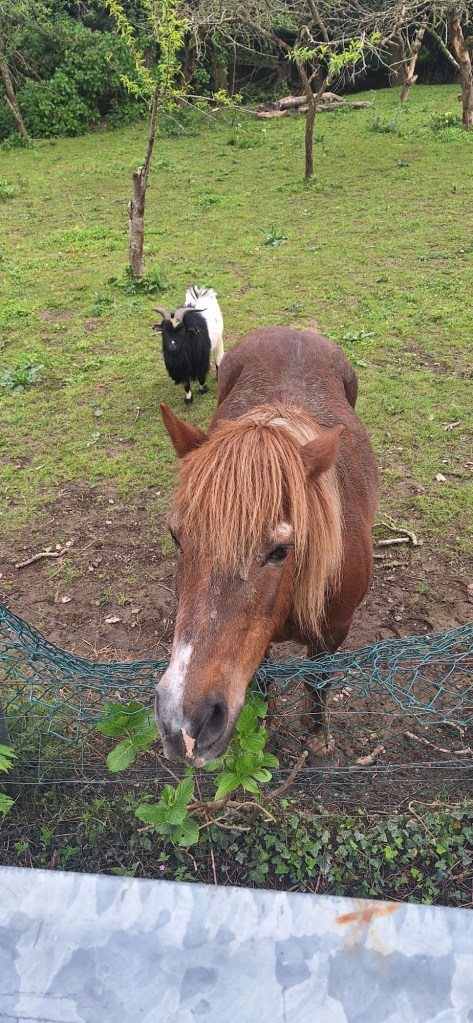
This year, our experience was very  different. In Asturias we mostly walked in refreshing eucalyptus forests. It was early May, rainy and with water gushing out everywhere we walked. Cows, sheep, goats, horses, donkeys, and chickens, walked about and grazed peacefully in lush green pastures. 
Women, old and young, hand tilled soil near their homes to plant. Home gardens are everywhere. Numerous small plot with rows of cabbages, spinach, lettuce, beans, potatoes, etc. The rural folks seem to grow whatever they eat and farming is a highly respected profession in these places. There are huge fields of freshly cut hay and rows of newly planted corn stretching into the horizon.
We walked through small villages with the pungent smell of manure and animal dung everywhere. At times the animals welcomed us with their smell on the trails and followed us out unto the streets. Some homes have sheep, goats and chicken grazing all the way to their front doors. Nonetheless, the people are happy, kind and welcoming everywhere.  
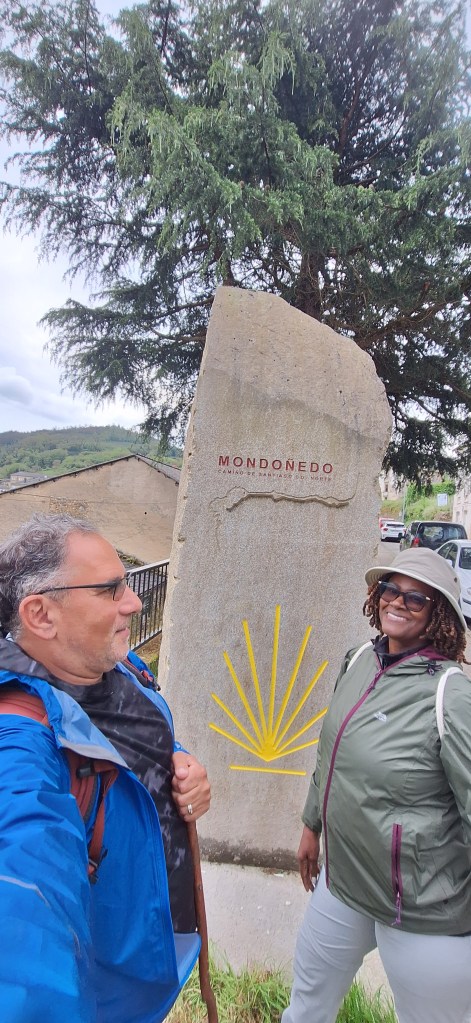
As we walked, we could sense the deep history of the villages, the churches and the homes. You realize that these places have been inhabited for centuries. There are towns such as Mondoñedo in Galicia that has been occupied since 858 and received city status in 1156. Some villages had only one or two houses and no place to stay.  You feel fortunate to share a room in someone’s house or walk another 20 km to the next village. Lots of pilgrims get injured and need to rest or discontinue the journey. The people from varying ages and fitness. Young, old, happy, miserable, sad, lonely, brokenhearted, determined.. everyone with the same goal: Get to Santiago de Compostela. 
The pilgrim walk is not easy, but it is possible for many to do. As my husband says and I agree, you see the world much differently when you walk. We arrived in Santiago early morning,  went to Mid-day Mass, recuperate some for 2 days.  We will continue for another 4 days and 90km  to Finisterra. 

Tips for The Camino del Norte
1. Pace yourself and enjoy the walk along the Cantabrian sea in Basque Country, Cantabria and Asturias.
2. Bring your rain coat and Poncho, you will need them.
3. If you have heavy luggage ship it ahead, the trail is challenging in several places
4. Book sleeping accommodations ahead and call to see if there are places to eat nearby.
5. Visa and Mastercard are widely accepted, Amex less so. Bring cash with you, small transactions and buses in Galicia require cash.

Til next time,
Love is my Religion

Camino del Norte: Asturias

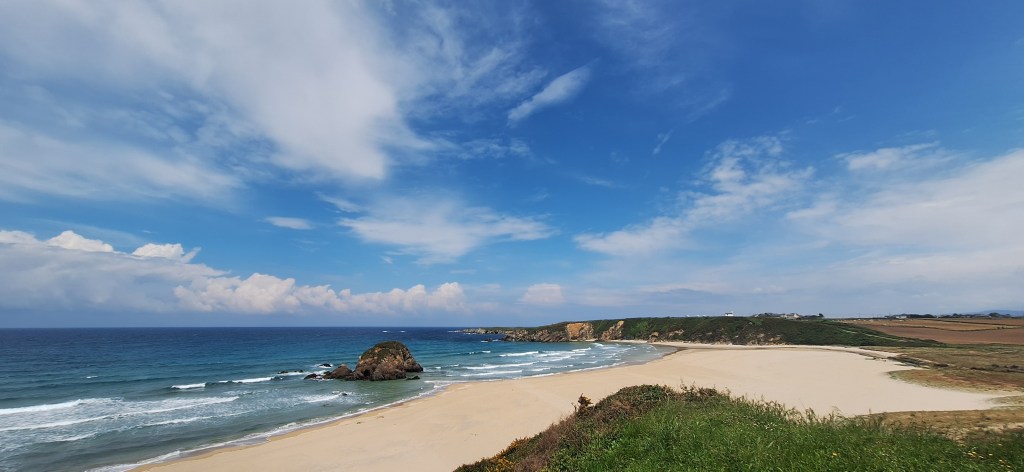
May 1, 2025, was our first day of walking. We started in Gijon and made our way to Aviles. This year, we started on a sunny day. It was a long walk, but less strenous than our first day from San Sebastian last year. We continued to walk along the coast of the Cantabrian Sea.We found pleasant beaches in Salinas, Playa del Aguilar near Cudillero, among others.

The walk meanders among pastures, forests and fields, with sheep, goats and cows grazing peacefully. Along the way, many houses in the small villages had small vegetable plots, with potatoes, cabbage, white beans and other crops. Crossing the landscape, we could not escape the pungent smell of manure emanating from the fields and animals around. We got relief in the eucalyptus forests, especially when the rain drizzle enveloped us. We walked through mud, asphalt, grass, gravel, and water as we traversed Asturias.

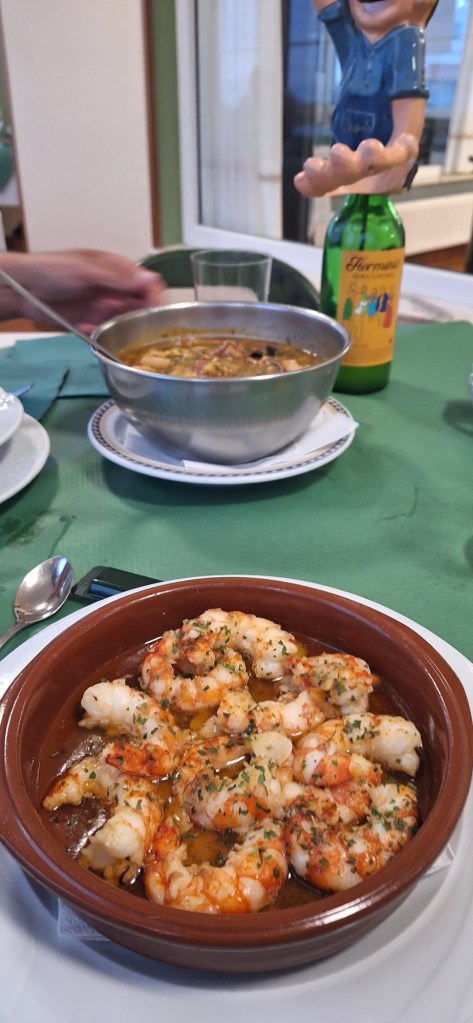
Asturia is for seafood lovers. We looked forward to a steaming bowl of fabada Asturiana, a mouthwatering plate of jamon serrano, the succulent and delicious garlic shrimp, all washed down with sidra.

Tips

  1. You can send your luggage along your path. See https://www.elcaminoconcorreos.com/es/transporte-mochilas
  2. Get a poncho to stay dry, it can rain any minute, even in May.
  3. Servings are large, consider sharing appetizers and entrees.
  4. Try Asturian Cider. It is refreshing and goes well with meals.
  5. In Luarca, try the Centro de Bienestar Telvy for a therapeutic and relaxing massage by Chema.

Till next time.

Walk good

Scotland: Highland, Orkney, Skye and Islay

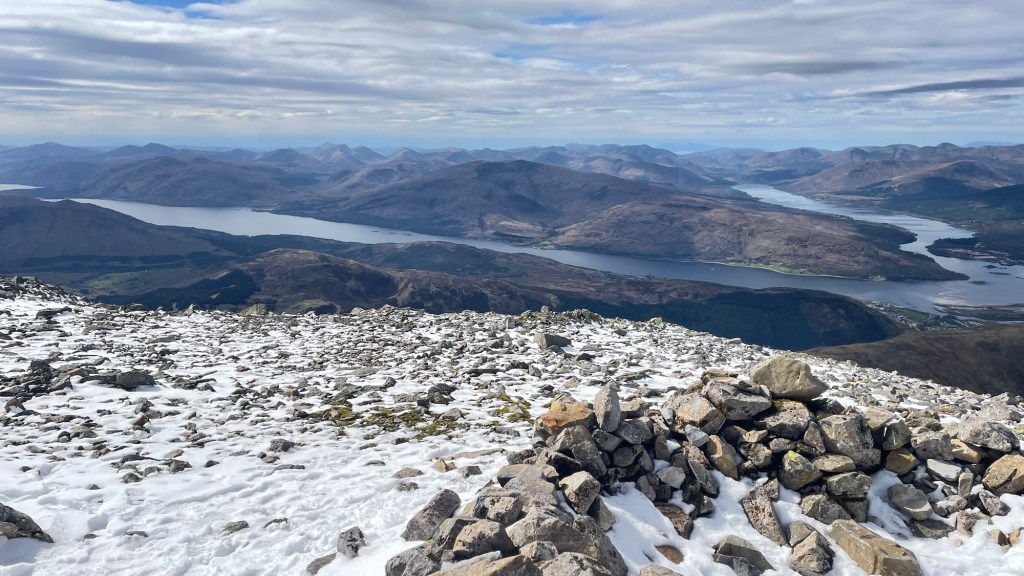
Scotland is a land of contrasts: forests, lochs, mountains, snow, and windswept plains. The land is manicured and ready for a movie. We travelled across the Highlands, encountering dramatic landscapes, farm lands, pristines coves and meandering rivers. We crossed the islans by ferries, causeways and bridges. We found friendliness, laughter and a wee dram ( or a nip) of whisky ready to be shared.

The people have a rich history, evident in its castles, battlefields and monuments. Neptune staircase in Fort William, part of the Caledonial Canal, is a feat of engineering and ingenuity.

Neolithic presence in Orkney, evidenced by Brogar circle, shows us that these lands have been hosts to humans for thousands of years.

The richness of the tartan textile designs, linking families and clans across time, is unique to these country.

Navigating the Neptune Staircase, Fort William

Tips

  1. Look left, look right. Narrow roads with designated passing places means longer than usual travel times.
  2. Seafood is abundant and fresh. Try Oysters in Islay.
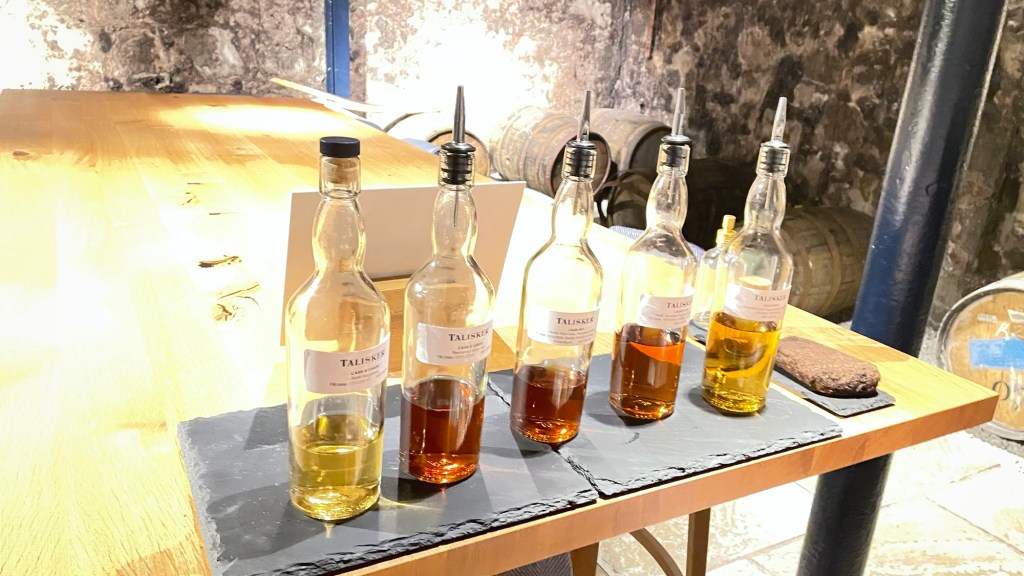
  3. Ask for a driver’s pack when doing a distillery tour and tasting.
  4. Confirm accomodation in the islands before booking ferries.
  5. If you are driving, make sure your ferry carries cars. Book in advance if possible.

Lovely London

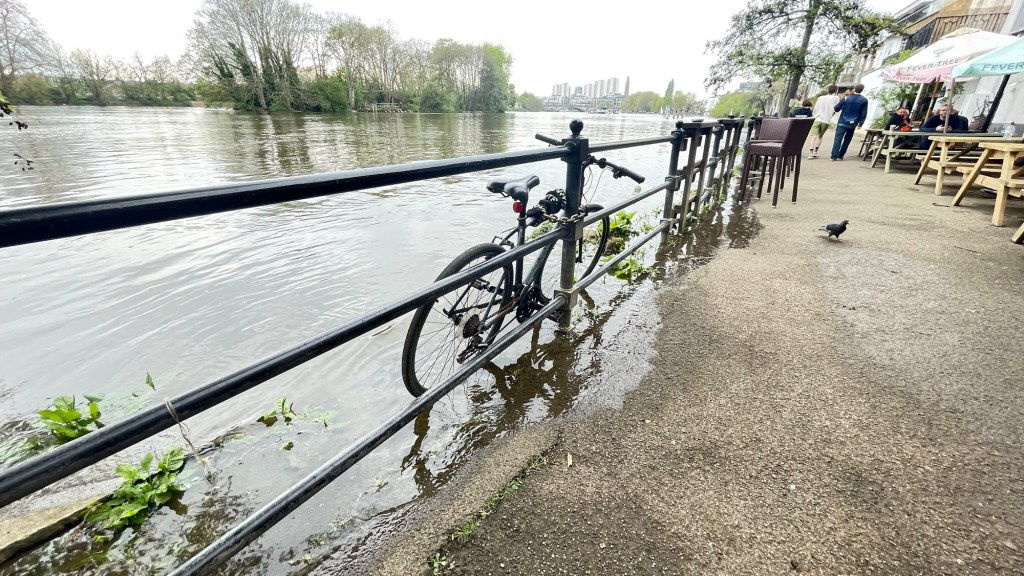
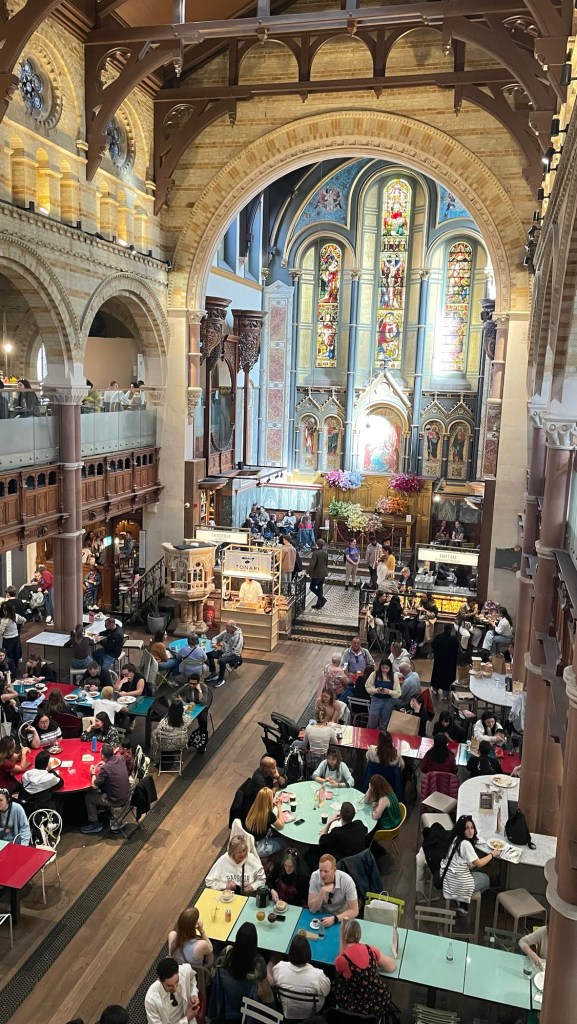
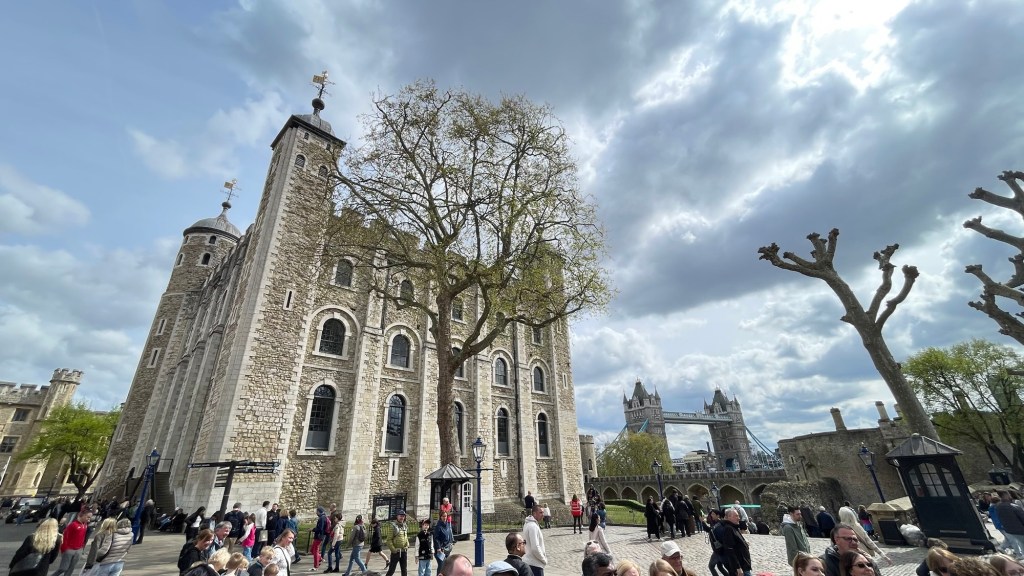
Spring is an amazing time to visit London. We love the energy of the city, awakening up from winter and with just the right mix of nature and human activities. Walking is a must do activity: gardens, waterfront, pubs, museums and much more invites you to take a stroll without a clear destination. A city full of surprises, from modern to ancient architecture, perfect English gardens and afternoon tea, Londoners have much to share and be proud of.

Till next time

Walk Good

Jamaica revisited

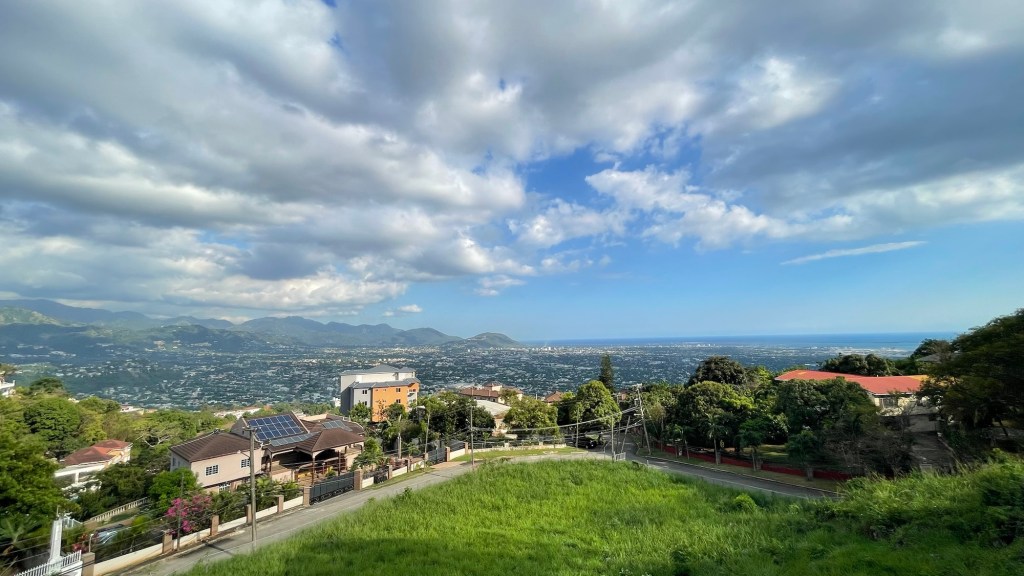
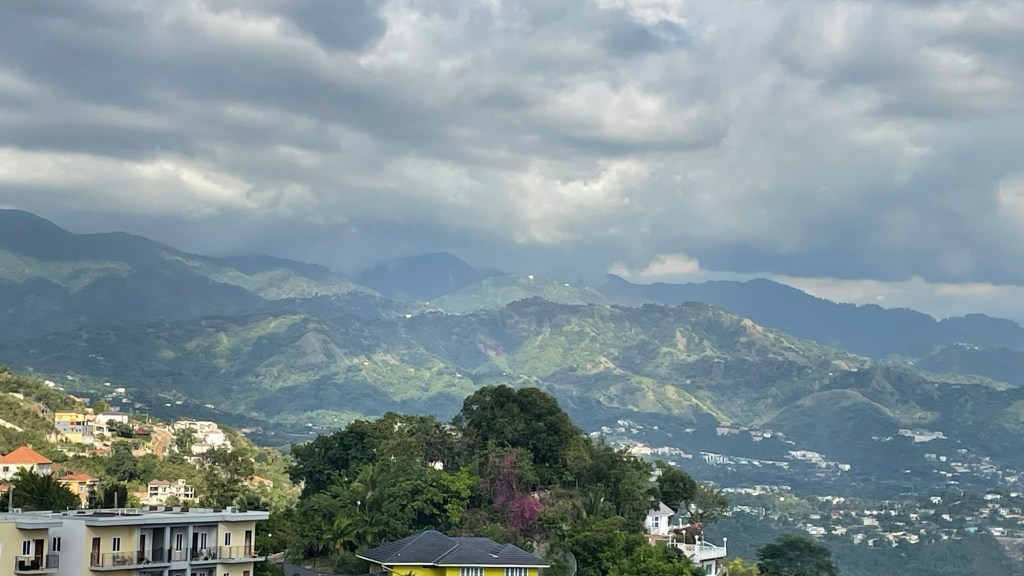
March is a great time to visit Jamaica, the temperature is mild, there are many tropical flowers in bloom with no worries about hurricane season. It is possible to get up early for a quiet and relaxing swim in the amazingly gorgeous turquoise Caribbean waters with less people than during peak times.

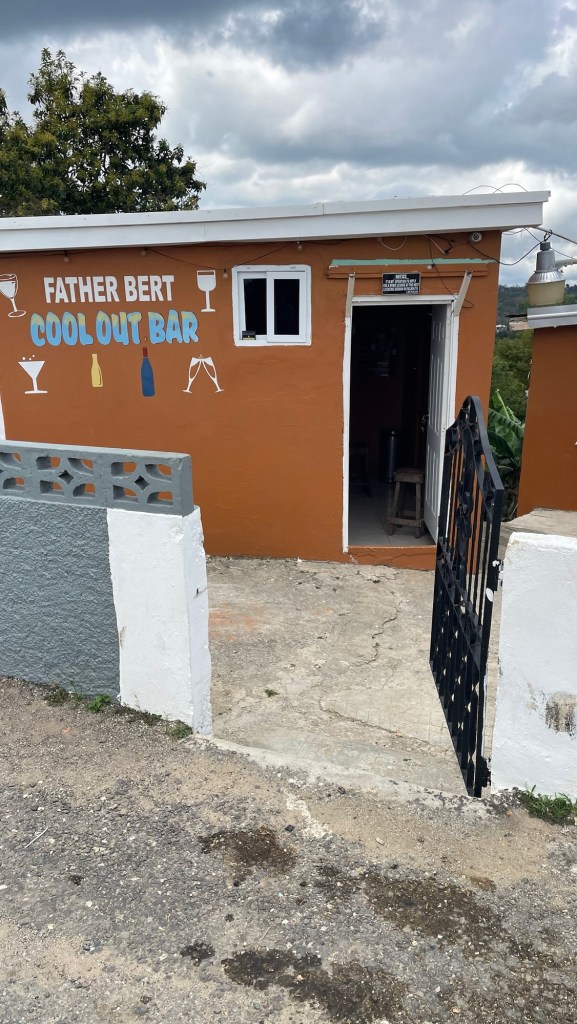
We have shared a few pictures of our 2025 visit to the island below. There are so many different stunningly beautiful landscapes to enjoy, from sandy beaches of the north coast to the green hills of Trelawny and lush tropical scenery of Portland, there is a place where everyone can relax and enjoy.

Walk Good

Quick Primer for Rome and the Amalfi Coast

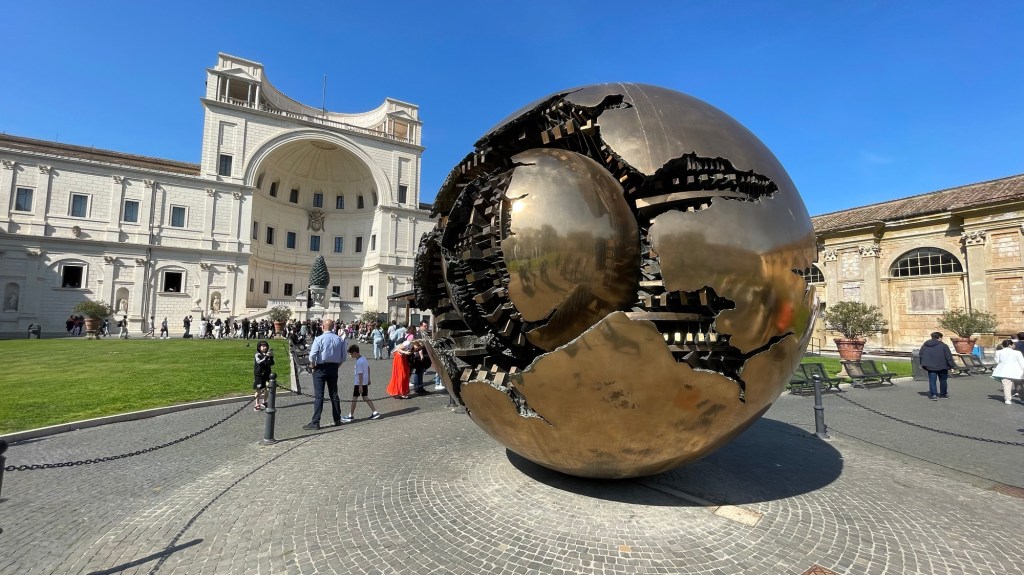
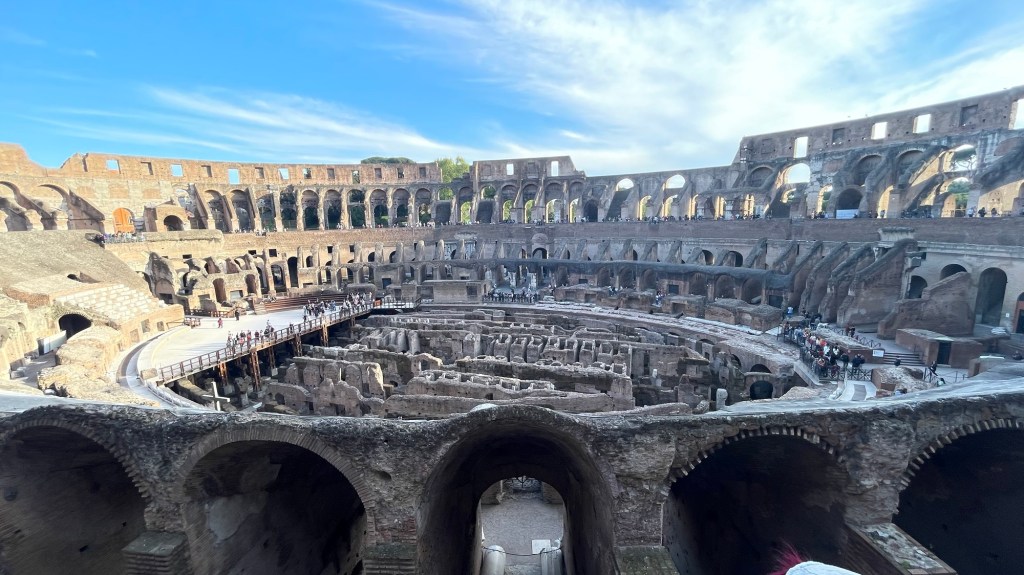
Rome, the eternal city, an endless parade of history, architecture and beautiful spaces like The Colosseum, the Parthenon, the Roman Forum, Sistine Chapel and many gardens.

To enjoy Rome, get ready to walk, stop, turn and delight in unexpected sights.

Don’t skip the classics, yet venture into nooks and crannies for many surprises, from butcher shops to markets, bars, gelato and leather shops.

Roman cuisine offers an array of tastes, flavors and smells. Of course you must try all the pizza and pasta that you can muster. Favorites are caccio e pepe, carbonara and eggplants.

Tips for Rome

  • Check the reviews of your desired Airbnb before booking to avoid stress and surprises
  • Outdoor markets in the piazzas are great places to explore and taste local fare
  • Some shops selling Italian leather may carry something else….. be sure to purchase leather goods carefully
  • Only take official taxis from the airport, or the metro

Naples, Pompeii and Amalfi Coast

Naples is a bustling, chaotic and interesting city, in the shadow of Mt. Vesuvius. We had one of the best pizzas here, in a small restaurant filled with Maradona imagery.

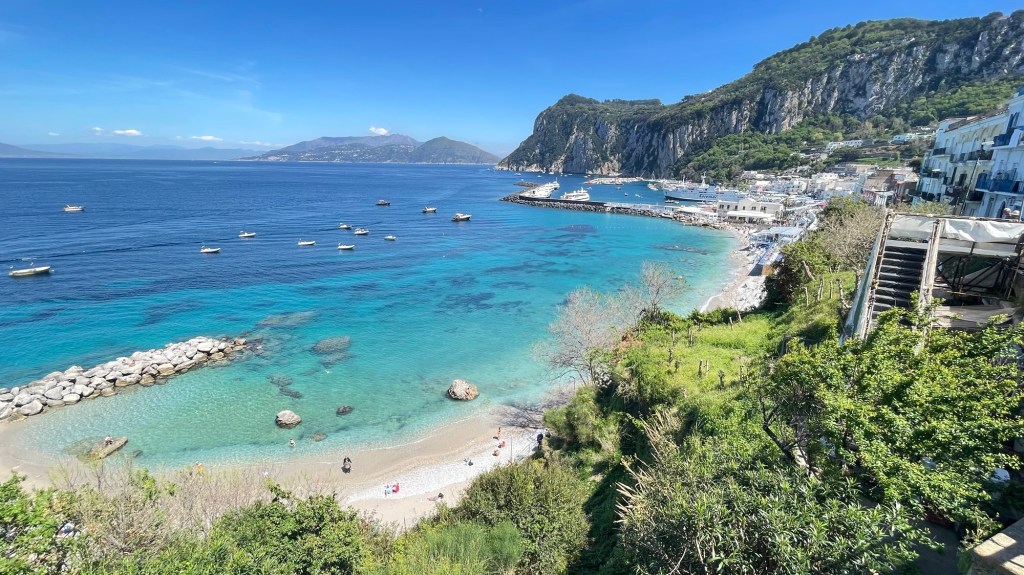
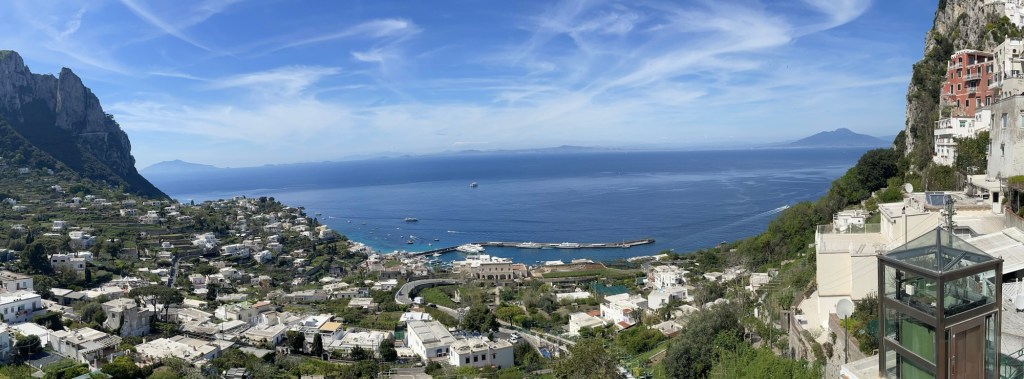
We drove from Naples along the Amalfi coast road. We stayed at the following places: hotel eden in Sorrento and an Airbnb in Atrani. From Sorrento, we took the ferry to Capri for a day trip, but tickets early and be on time, you can walk or take a taxi to the ferry. There is an amazing cable car in Capri, the hike is nice as well.


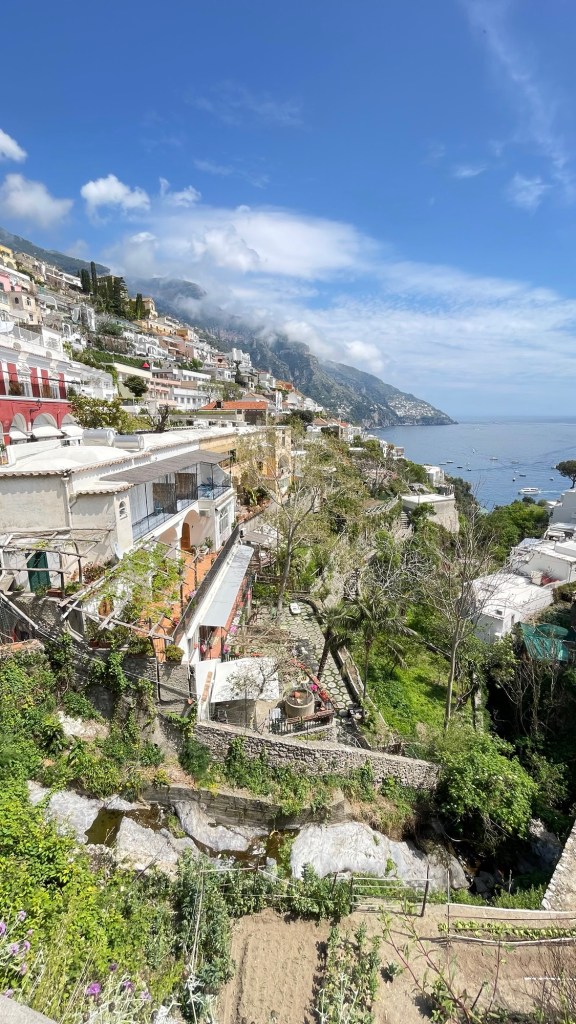
We loved Positano, lunch overlooking the sea is amazing. Atrani is a quiet town with a nice beach, very steep streets and an quaint and interesting piazza.


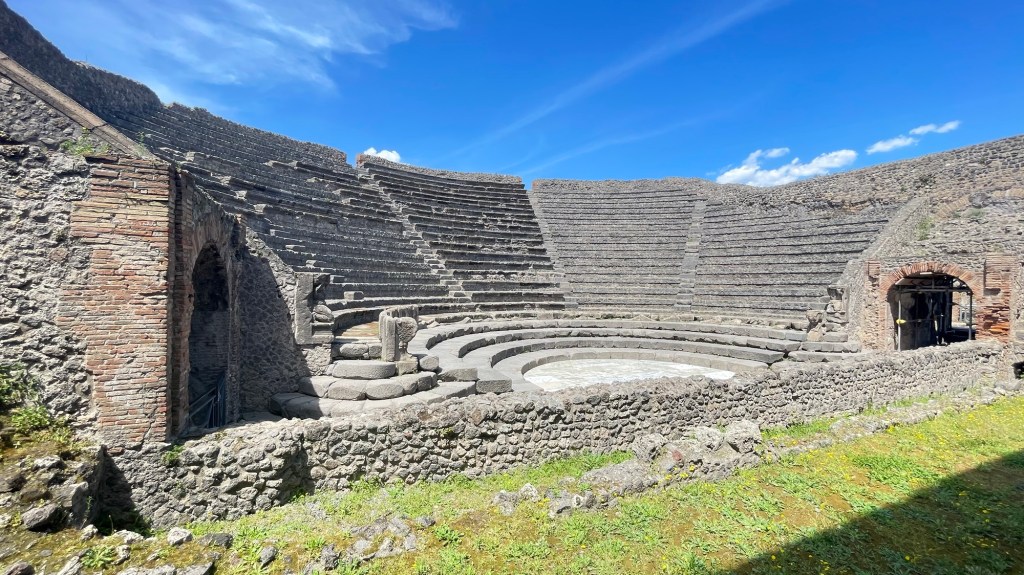
Since we drove from Rome, we stayed one night near Pompeii, and visited the ruins, highly recommended.

Tips for Naples and the Amalfi coast

  • Driving in Naples is challenging….
  • The Amalfi coast is a joy to drive. Give yourself time to slow down and enjoy the views.
  • Pompeii is a full day visit, totally worth it
  • Sorrento is a great base for visiting Capri and a marvelous town on its own
  • Positano and Atrani are places where you can relax and enjoy the food and views

TIL next time, walk good.

Alex and Phyll
Madrid to Logroño (La Rioja)

Madrid is the capital of Spain, it is a  transportation hub and political center. We started the trip to the Rioja region in Madrid by train. We travelled on a train from one of the new companies in the market, Iryo. The ride was fast, reaching speeds of 300 km/h, and comfortable. 

La Rioja is one of the main wine regions of Spain, its red wines are known globally.  There are centuries old wineries, with impressive facilities and a rich tourist circuit. The Museum of Wine Experience, is unlike anything you will see anywhere and it is dedicated to knowledge and history of wine making.

Logroño is the capital city of the autonomous community of La Rioja. Founded on the shores of the Ebro river, the city has been around for a very long time, starting with the Romans. It is at the very edge of La Rioja, so you can easily cross into Navarra or Basque Country by roads. Logrono is located in a valley, surrounded by wineries and vineyards, and just 1.5 hours by road from Bilbao.

We visited 3 wineries, each one very different in location, size and character. Well known winery Muga, located in Haro, has an excellent tour and tasting. You get to wander among their barrel rooms, see how they make their own barrels, even the oak they buy from France and the US, I  highly recommend a visit.

We next visited Viña Tondonia winery, (R. López de Heredia). It has an impressive and exquisite tasting area and a stand that was designed for the World Fair with a decanter-shaped metal building that protects it.  The last winery was  Campo Viejo, just a 5 minute drive from Logroño. It sits high on a plateau, surrounded by vineyards and the nearby mountains. Most impressive is its underground cellar that holds about 70,000 barrels, each of 225 liters. The room size is staggering, yet 2 people are in charge of moving all those barrels. It is an excellent place to have wine mature and gain character.

Of special mention is the Vivanco Museum of Wine Culture. Its rooms display artifacts about all stages of wine production, from field tools to oversize grape crushers, amphorae, and the largest collection of corkscrew openers in the world. The on-site restaurant has great food and impressive vistas.

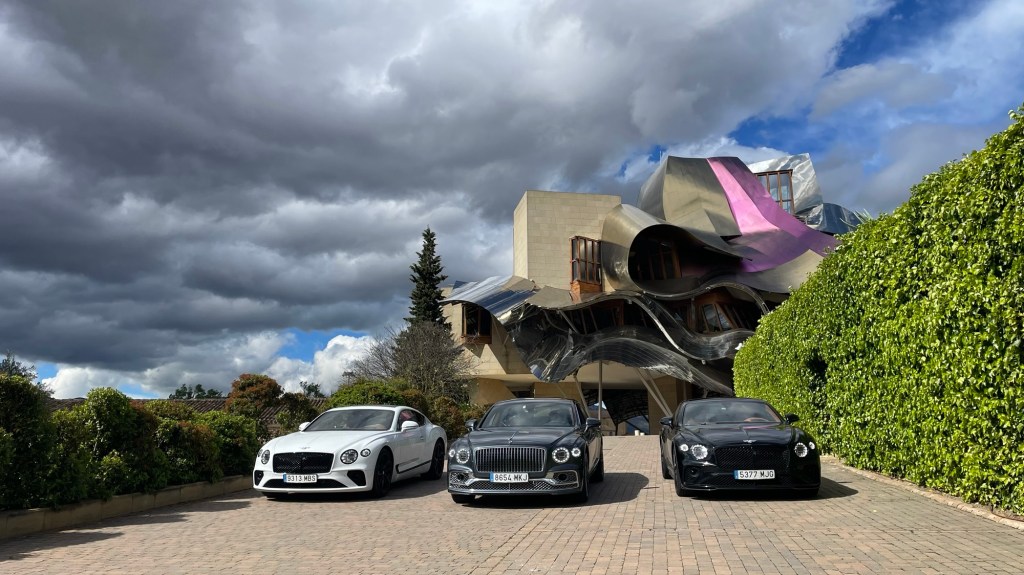
We visited the Frank Gehry-designed restaurant at the Marqués de Riscal Winery. Located in Elciego/Hiribidea, the winery is well known for its production. The building resembles a lot the Guggenheim museum in Bilbao, yet its location and colors that remind of red wine are well worth a visit.

Marqués de Riscal

The landscapes of La Rioja was a surprise to us, its meandering roads took us through quaint villages, ancient ruins, soaring cliffs, and  imposing vistas. You could spend a lifetime hiking these hills and discover new places each time. The extensive vineyards, stretching for miles around, make this vibrant region an economic powerhouse and wine lovers dream.

Cuisine

Logroño is famous for its tapas/pintxos. One unusual feature of a ‘pintxo crawl’ is that each shop specializes in one type of pintxo, like mushrooms, tortilla or seafood.

Tips to visit La Rioja

1. Fly into Bilbao and take the train to Logroño. With more frequent trips, it would be faster than taking the train from Madrid.

2. During the summer tourist season it could get quite busy. Book your winery tours and lunch in advance.

3. Logroño is a part of the French Camino de Santiago. You could make it one of your stops on the way to Santiago.

Til nex time.
Walk good

Andalucía: Malaga and Tarifa

 From Malaga driving southwest, the Mediterranean lies to the left and the hills of Andalucía to the right. The highway crisscrosses some of the famous towns in the Costa del Sol: Marbella, Mijas Costa, Estepona, Puerto Banus, Ojen and more. 

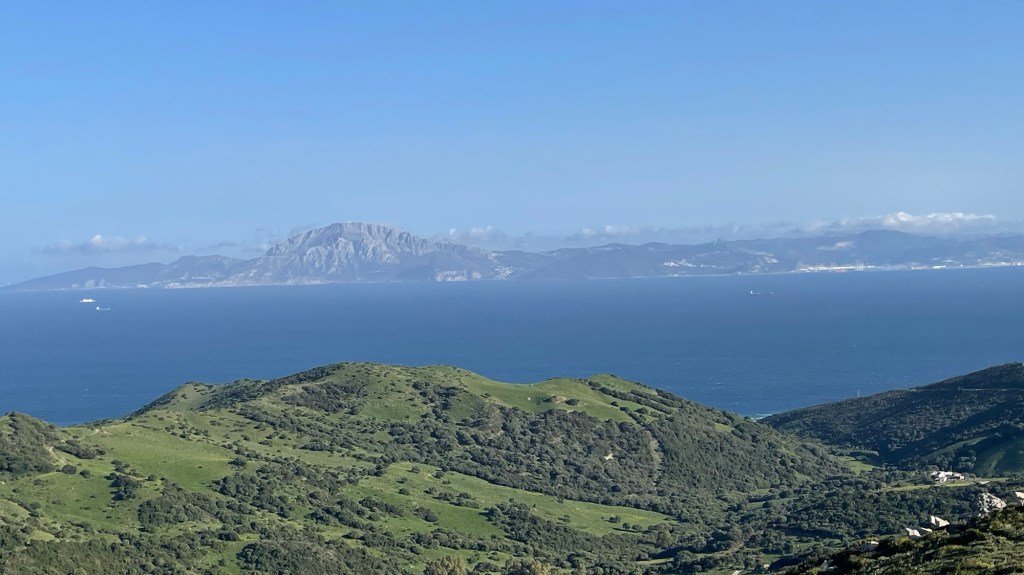
Tarifa lies further south, just after Algeciras and at the end of a magnificent climb through hills where windmills line the vista like cars on a motorway. The Atlas mountains of Morocco are visible from Tarifa and Algeciras. This mix of seas and mountains, and the feel of the winds coming from the Atlantic, on a sunny spring day, makes for an unforgettable road trip.
View of the Atlas Mountains across the Mediterranean on the way to Tarifa
Sand dunes outside Tarifa
View of the Atlantic with the Atlas mountains in the background

Tarifa is regarded as a kitesurfing paradise. With its wide beaches,sustained and powerful winds, makes the weather a perfect combination for surfing. In Tarifa you can easily catch a ferry across the Gibraltar Strait for a quick trip to Tangier in Morocco. At the end of Tarifa both the Mediterranean sea and the Atlantic ocean is visible just by turning your head from side to side, to the left is the Mediterranean, to the right is the Atlantic.

Just outside of Tarifa towards, Cadiz, you are simply suddenly amazed by the presence of large sand dunes. You can drive by for the views of the sea and hills from your car, stop and take amazing pictures or simply indulge yourself in the mesmerizing landscape, enjoying the Mediterranean breeze.

Tarifa feels like an outpost..a very interesting one. It seem to lie at the very edge of the land. A place where two large bodies of water meet for a rendezvous with big skies, colorful sunsets, and a view of the inviting Atlas mountains  across the strait.

Cuisine

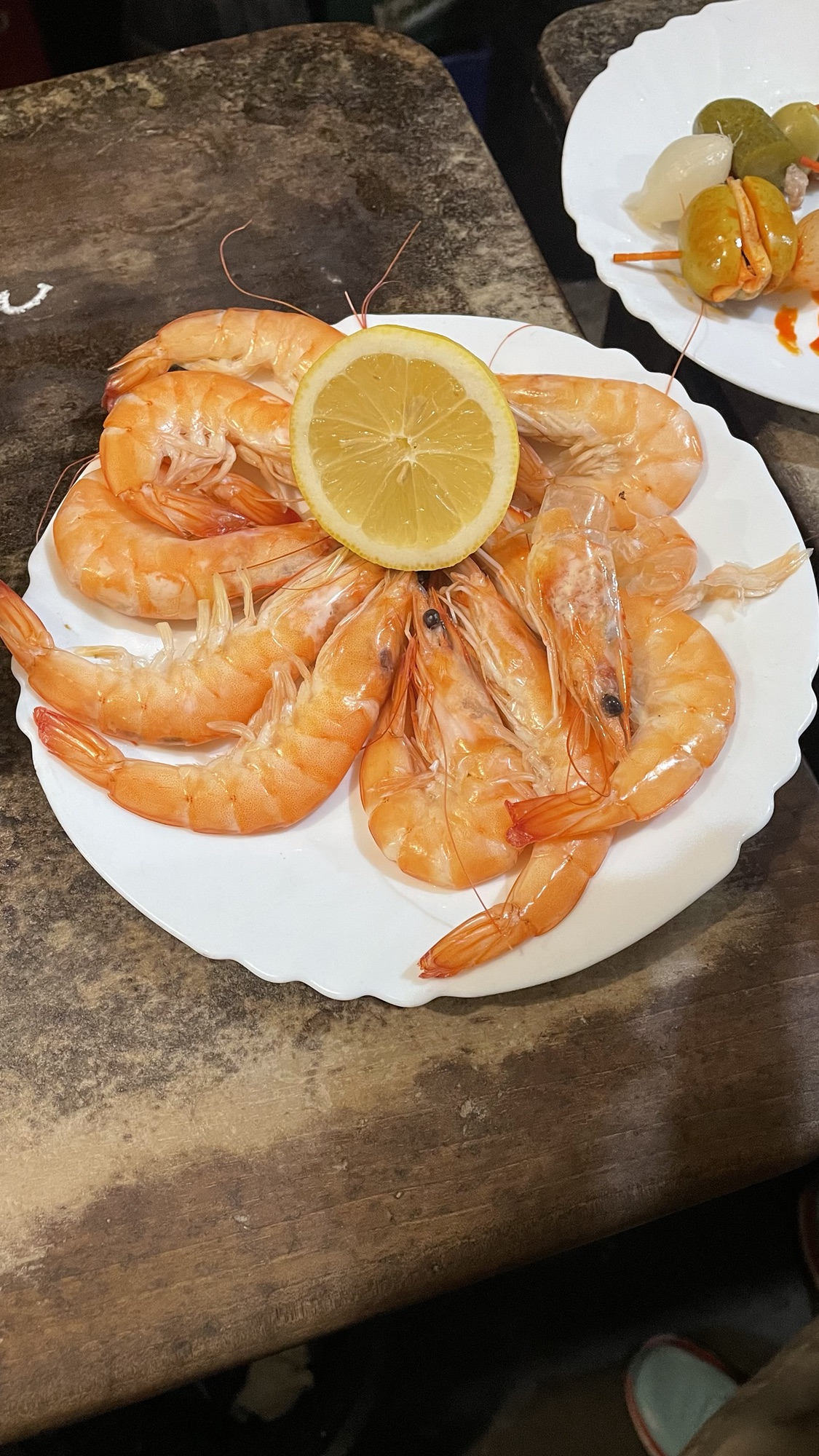
Seafood is a cornerstone of the Andalucian diet. Most common are grilled sardines at the beach, shrimp, cod, and other crustaceans.

Jamón ibérico or serrano, together with local cheese are common dishes that pair well with local vermouth.

You will find several popular local sweet wines.

Beaches

From Malagueta to Tarifa, there are myriad beaches for all tastes. Some pf our favorites are Malagueta and Mijas Costa and Benalmádena.

Tips

1. Make time to visit Gibraltar. It is a fascinating place, this massive mountain jutting out into the Mediterranean. Climb with the cable car or the Mediterranean steps and enjoy the flora and fauna and 360 views that surrounds you and remember to catch up on some rich historical  facts about this area of Spain.

2. If you drive to the ferry, you may not be able to return your rental in Tarifa, check with the company to see if you will need to return the car in Algeciras. 

3. Bring warm clothes for the evenings, it is often windy and chilly after sunset.

On the road in Morroco-Tanger to Essaouira

We arrived in the port of Tanger Med by ferry from Algeciras, Spain. It was very organized and short crossing of 3 hours 35 minutes. From here we traveled by taxi to bustling Tanger city for €65.

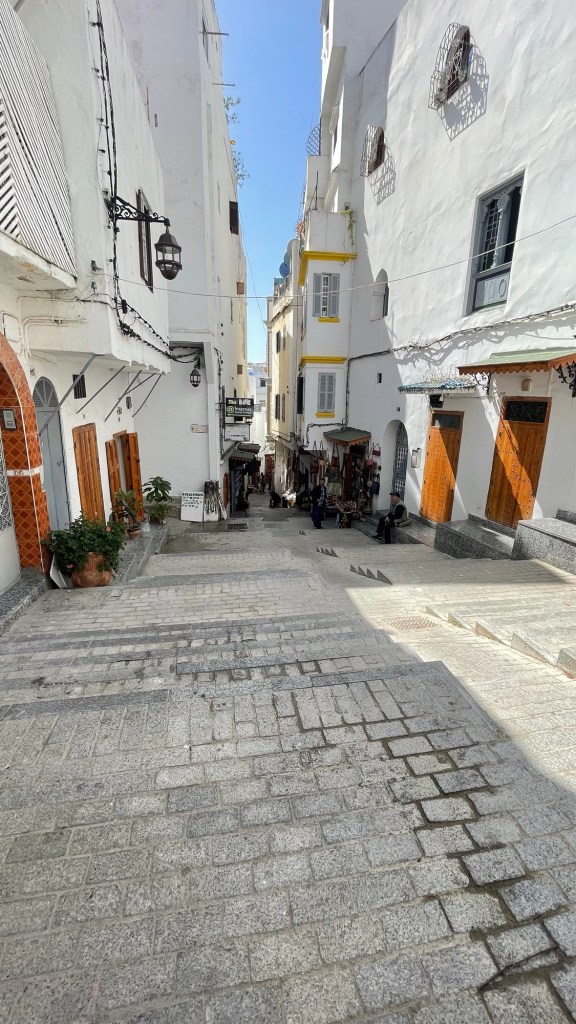
Tangier sits in the Mediterranean, across the straight of Gibraltar from Tarifa and very close to the Atlantic. Its bustling Medina of narrow streets and myriad shops invites you to walk and discover. 

By car we headed across the Rif valley, skirting around numerous villages and farms at the base of the Atlas Mountains. We drove about three hours to the village of Chefchaouen. We noticed an impressive sea of blue and white buildings hugging the hillside. We parked and climbed up over 100 steps up to our hotel, the smell of roses and Jasmine emanated from everywhere on the property. Chefchaouen is an incredible place to visit for the food and hiking. 

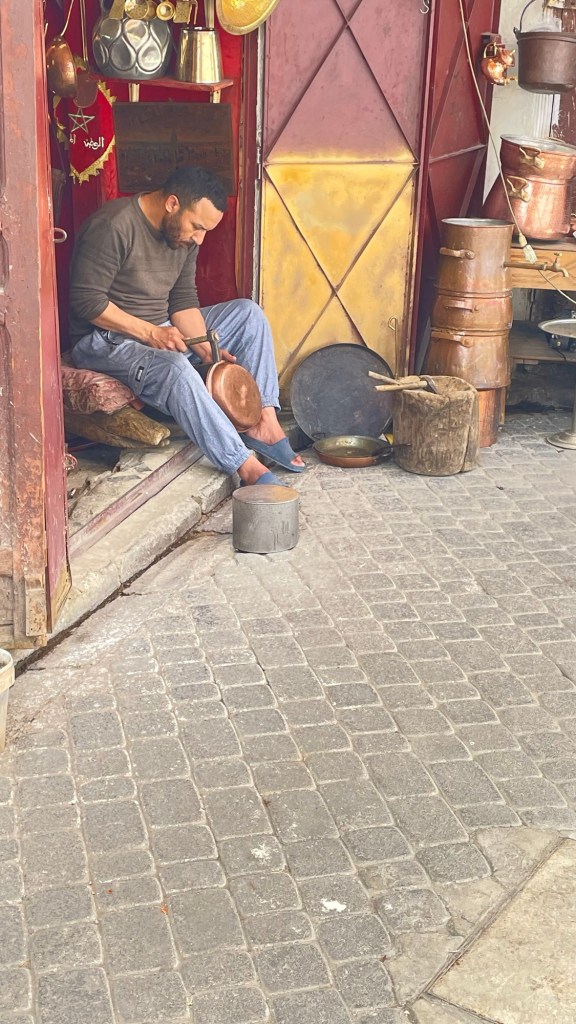
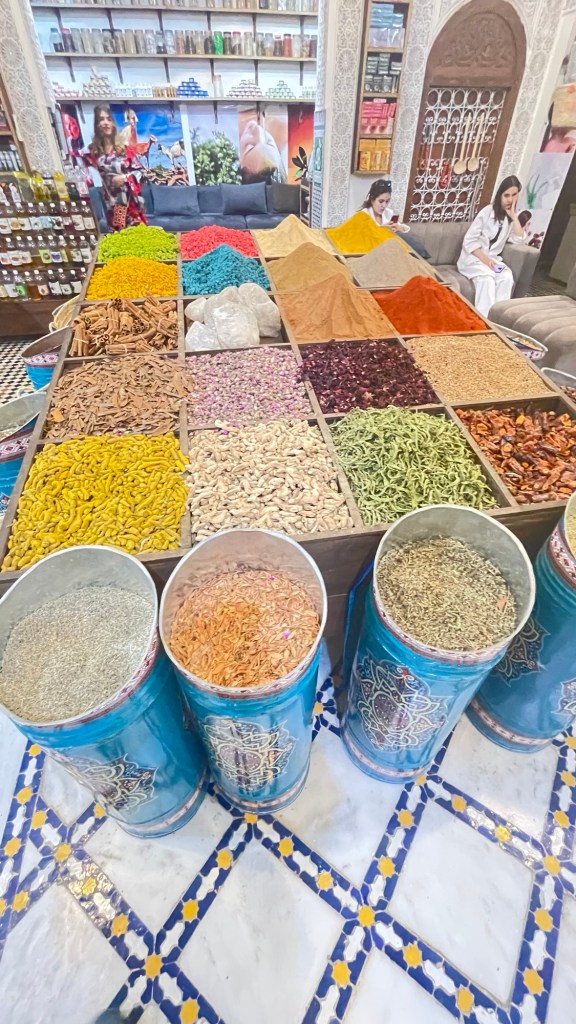
Our drive to Fez was an interesting one. We were stopped several times by the police who claimed we always made driving infractions for which we must pay. They would show us a fine on a big book, reduce the fine significantly then tell us to have a good trip after we paid. On the way we encountered some old customs: donkeys being used for everyday tasks; drawing of water, produce and for transporting people. Fez has the largest and oldest Medina in Morroco. To visit, you will need a tour guide to navigate the maze of shops and alleys. Our guide showed us a plethora of things sold here including the leather and dye factory, numerous carpet, textiles and clothing stores. The best part for us was strolling down dark passageways to emerge at some exquisite shops where we were invited to have mint tea and learn about the Berber people living in the Atlas mountains and their centuries-old weaving talents and traditions.

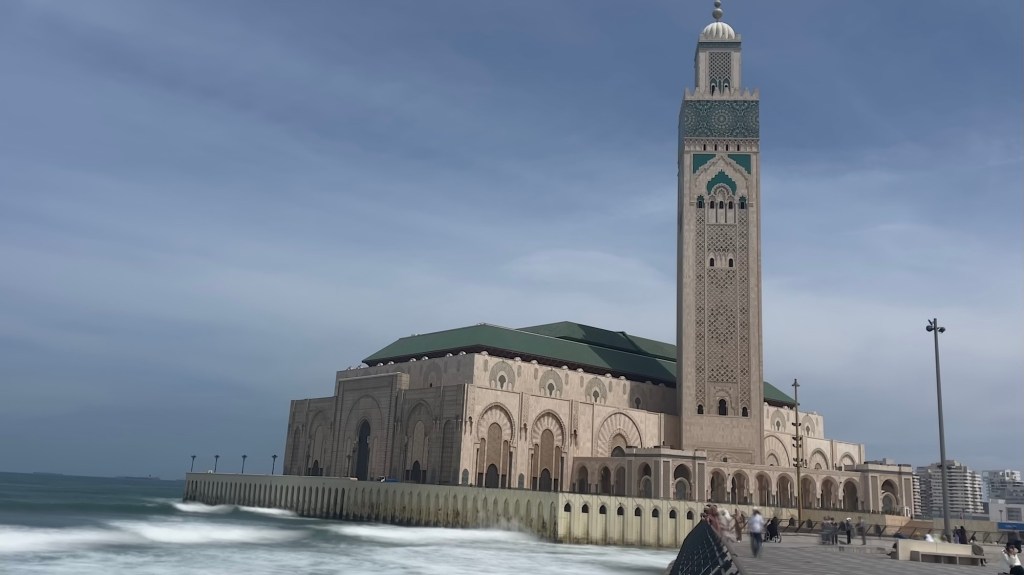
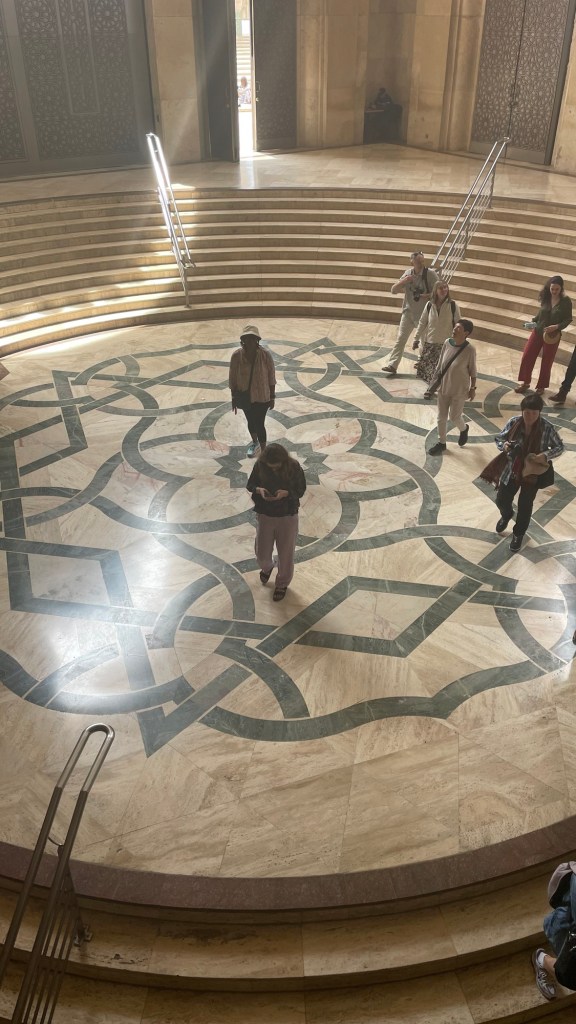
From Fez we continued to Casablanca and Marrakech. Casablanca is mostly commercial and home to the spectacular Hassan II mosque jutting out on the shores of the Atlantic Ocean. 

Marrakesh was very tourist oriented. The Medina is smaller than in Fez but it is a very busy city. 

We left Marrakech for Essaouira. Located on the Atlantic coast, this soon proved to be our favorite city in Morroco. With warm days and cool evening temperatures, it was the perfect summer. Many outdoor activities are possible, including city tours, food tours, camel back riding, Quad rides over dunes, sailing, surfing and many more. From Tangier to Essaouira, we found the Morrocan people charming, helpful and welcoming. 

Tips for Visiting 

1. Do not bring ant types of drones. You will have to pay a fine and you will receive it back as you leave the country.

2. Have local cash ready to pay the traffic cops if you plan to drive. You will also need it to pay tolls.

3. Dress modestly outdoors, especially in rural areas, it’s a sign of understanding and respect.

4. Try different foods. You can be surprised by the culinary creativity of the locals.

5. If you visit any shop and are invited to tea, it means they want to sell you something. It’s okay to politely decline the tea. 

Walk good,

PHB