Italy: Rome, Puglia and Sicily

Rome

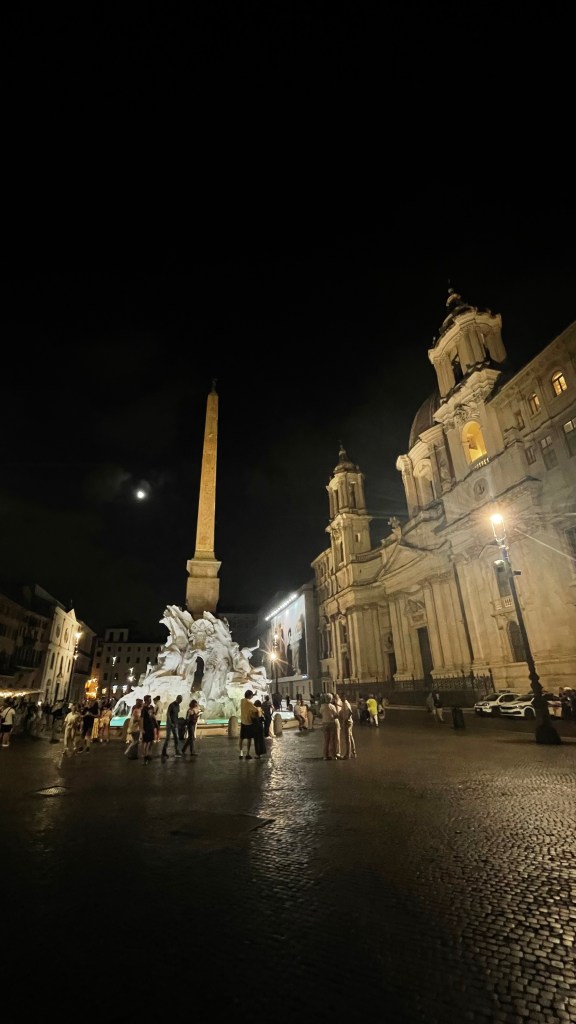
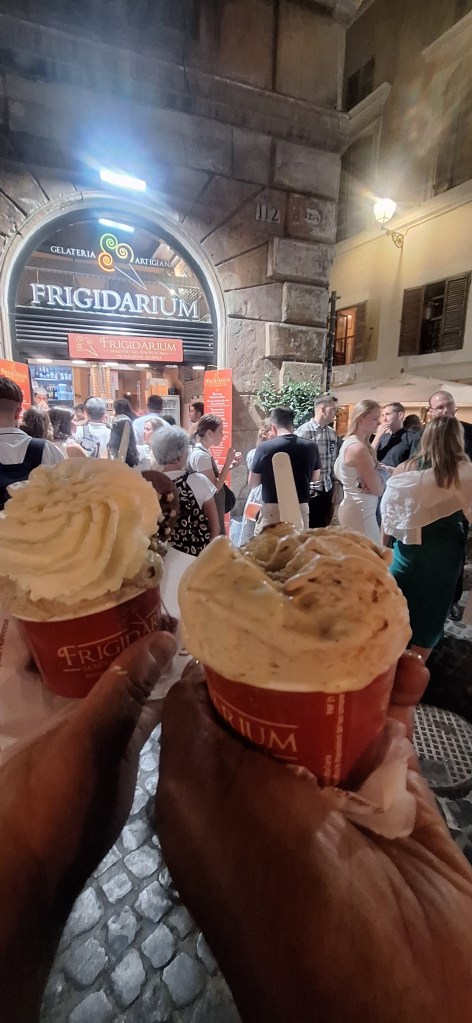
We arrived in Rome to indulge in our usual pasta and gelato binge. It was extremely hot however, we still did some hiking outside the city to experience a bit of the culture and food outside the extremely touristic city center.

Puglia

After an uneventful six hours train ride to Bari, we made a plan to set up base in Brindisi and explore the surrounding areas in Puglia. Brindisi is a lively city with a compact and interesting old area. It’s extremely walkable, lots of places to experience Apulian cuisine and strategically located close to beaches and historical villages. We recommend Betty’s and Pescheria di porto on the promenade for lunch. You must try the gelato at Chocolosso.
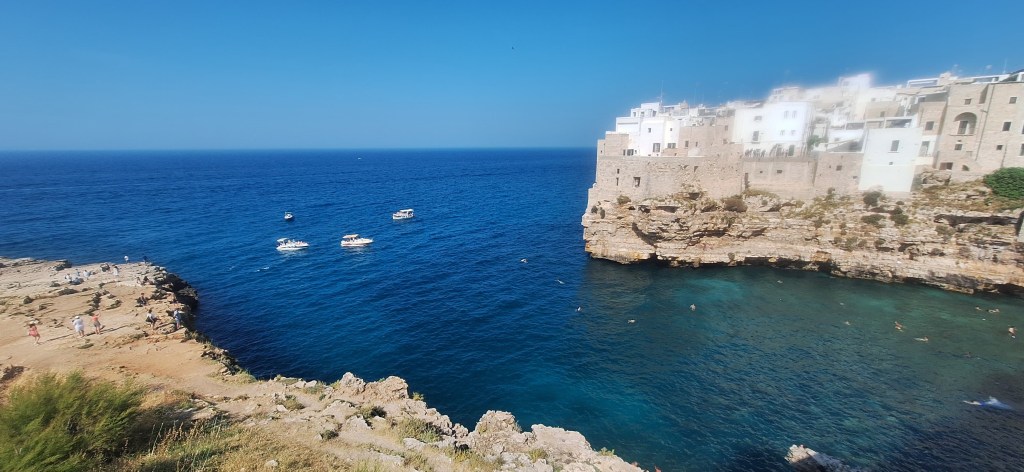
The shoreline in Puglia is dotted with unique and incredible places like Polignano a Mare, a cliffside town.
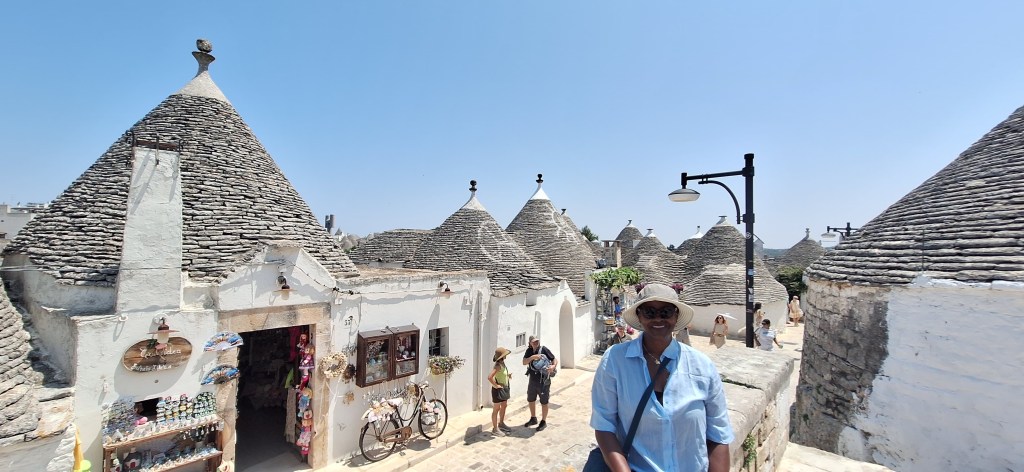
We drove highways and small local roads passing orchards of oranges, grapes and where olive groves make extensive green spaces climbing up huge hillsides and stretching all the way to the edge of the Adriatic sea. We drove up to the high town of Alberobello to see the stunning Trullo architecture, in Locorotondo we walked the medieval streets, and enjoyed Matera, famous for the ancient cave dwellings, restaurants and shops carved into the mountains. We toured one of these ancient cave dwellings complete with chapel and ice storage system in the village. We had great fun frolicking on the beaches along the Adriatic coast, Mosquito beach and Grotto de Poetry were two of our favorite places.

Sicily


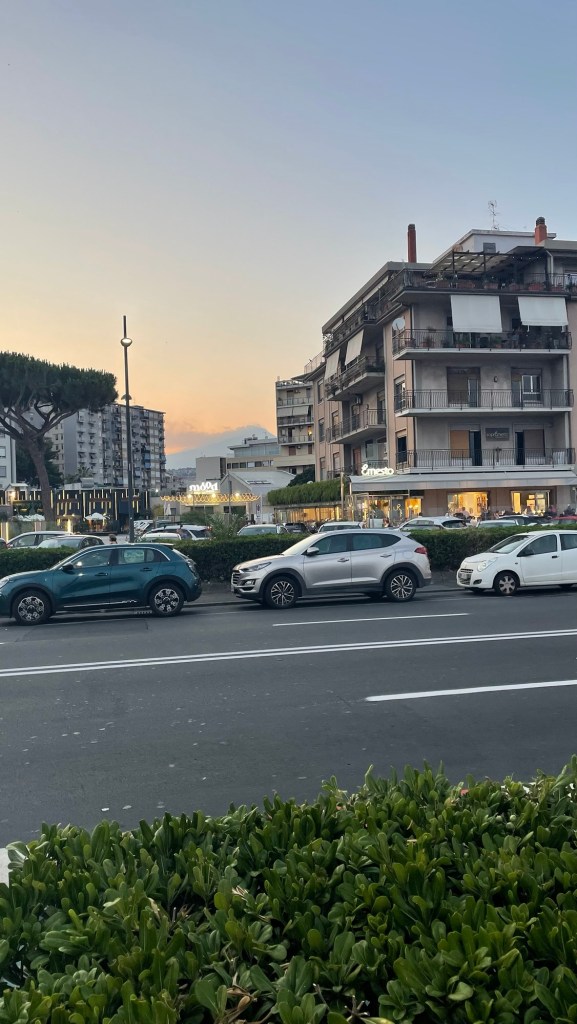
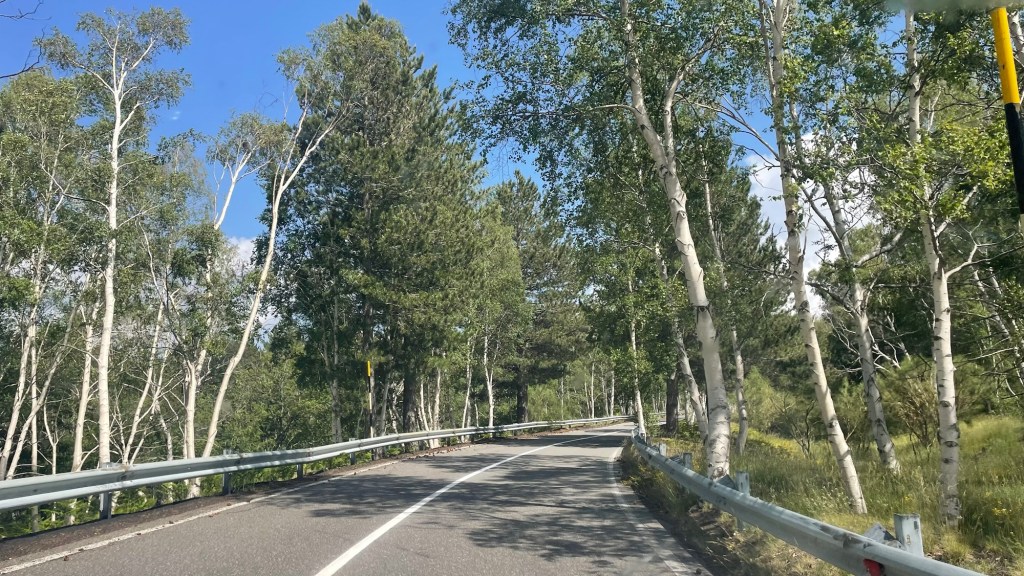
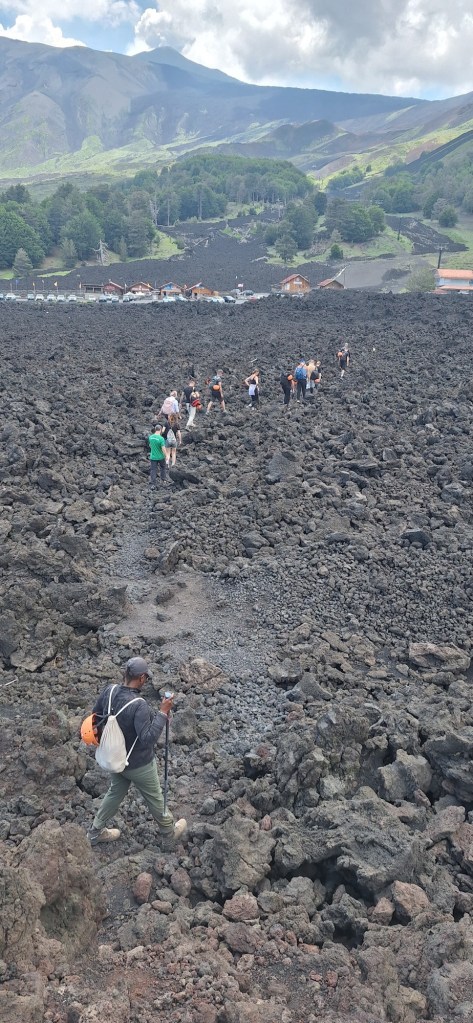
We did not imagine how fascinating and beautiful Sicily would be with its mountainous terrain, clear seas and fresh produce everywhere. We arrived after a 40 minutes boat ride from Villa San Giovanni in the mainland  to Messina. We drove to Catania for our three days in Sicily.  Our first experience was the drive from Catania up the mountain. We drove past small villages with many abandoned houses and farms. Many tropical and subtropical plants thrive in the warm climate of Sicily. The vegetation changes from flowering plants to grapevine on terraced slopes, then came the stunning white birches which gave way to pines and evergreen as you climbed higher up the mountain. We booked the guided hiking tour up Mount Etna. We were uncertain about this trek as the volcano had erupted only two weeks earlier and we could still see steam coming out the crater. This was an actual lesson in the development of primary ecosystems for us. The small circle of life from the spinny plants protects the more delicate plants and provide a hiding place for lizards, bugs and other insects. The air is so fresh, and the hike amazing with many spectacular views of the surrounding villages, the Ionian and Tyrrhean Seas. Every crest offers a view more spectacular than the previous one.

Summary

The sandy beaches of Puglia are underrated and are worthy of a visit. There is so much food and wine to discover! 

Sicily is a gem, the  diamond toe of Italy. Catania channels Napoli, layered, chaotic and astounding.  Etna, wow, a lively landscape from sea to summit. 

We are so grateful for the opportunity to explore, expand and share our appreciation for the human experience.

Tips

  • From June to August, it is quite hot in southern Italy. Plan your day to seek shelter from the sun between noon and 5pm.
  • Prepare to pay a ‘tourist’ tax and service fee at restaurants. In Rome, the tourist tax was 7 euros per day per person.
  • Motorbikes are everywhere in Sicily, drive very carefully, as everyone will move into any open space.

Walk good,

Phyl and Alex

Jamaica revisited

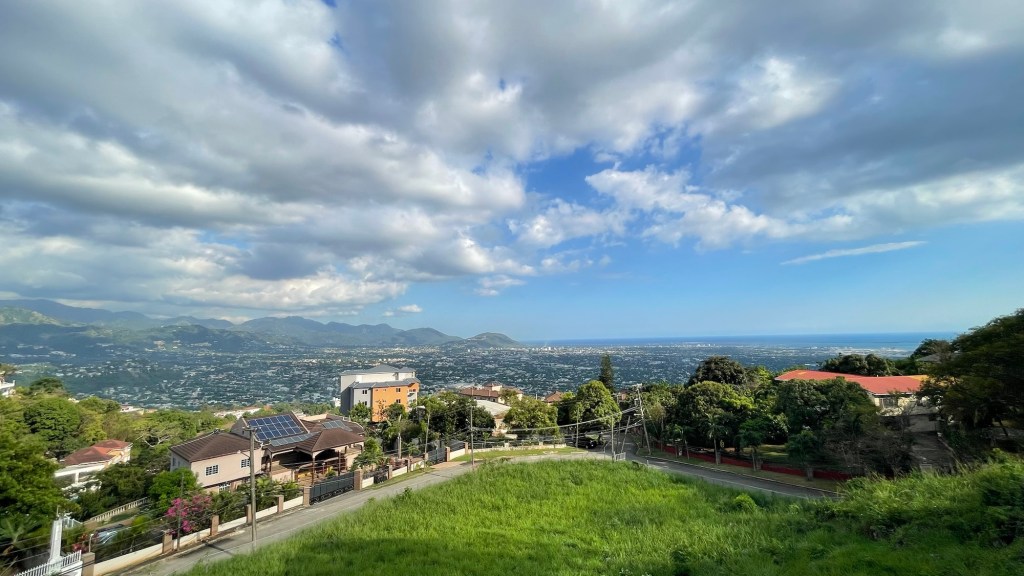
March is a great time to visit Jamaica, the temperature is mild, there are many tropical flowers in bloom with no worries about hurricane season. It is possible to get up early for a quiet and relaxing swim in the amazingly gorgeous turquoise Caribbean waters with less people than during peak times.

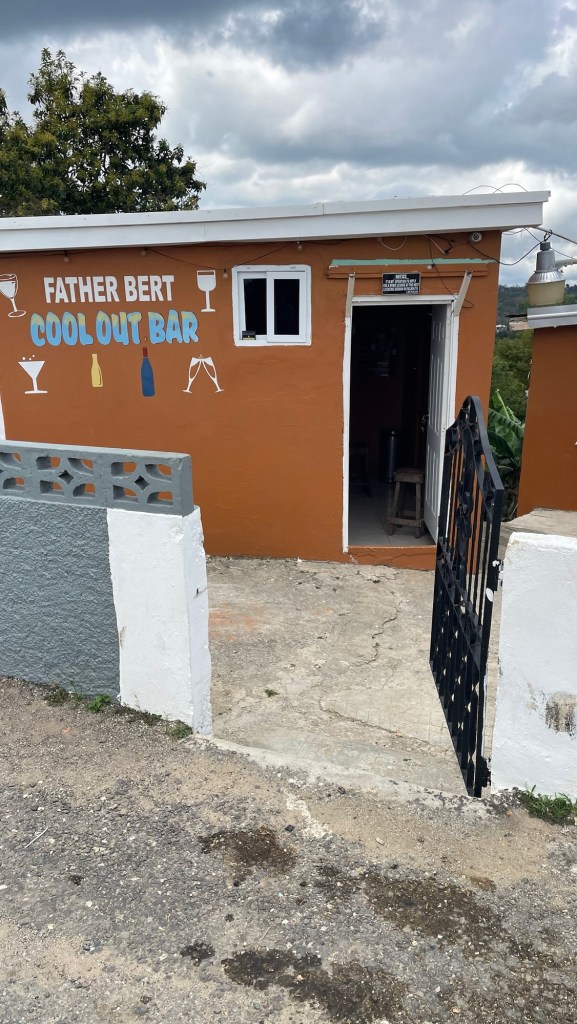
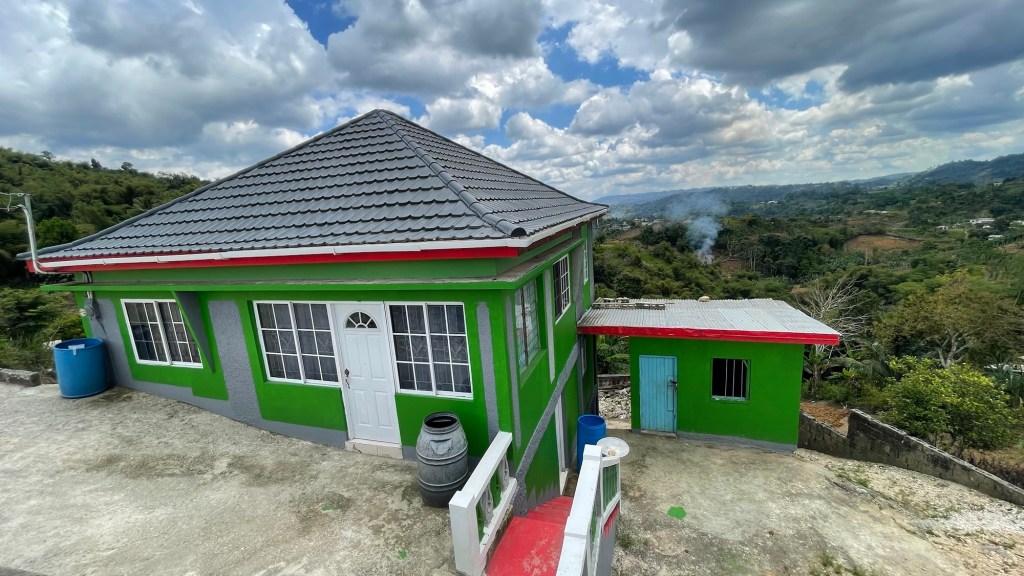
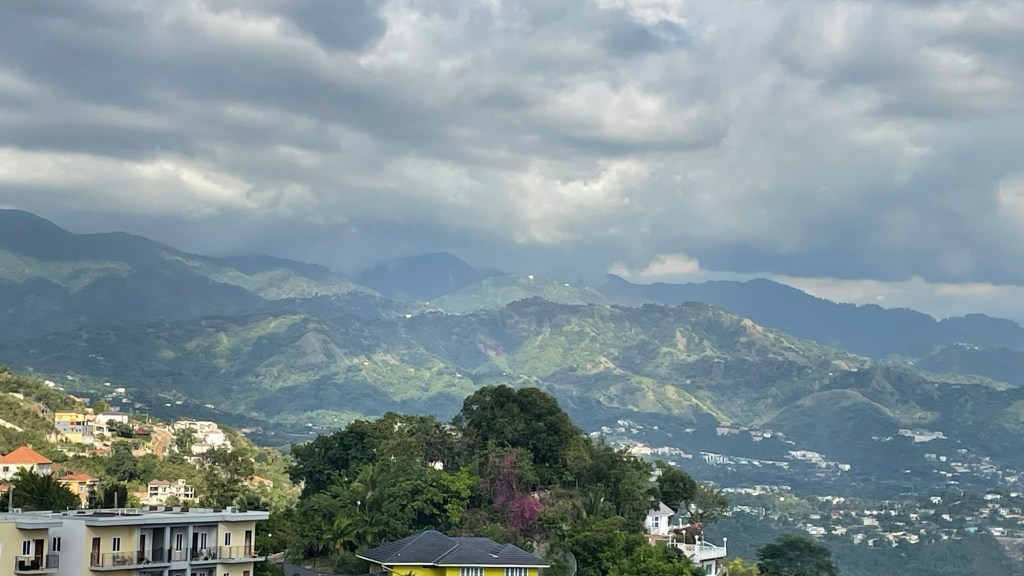
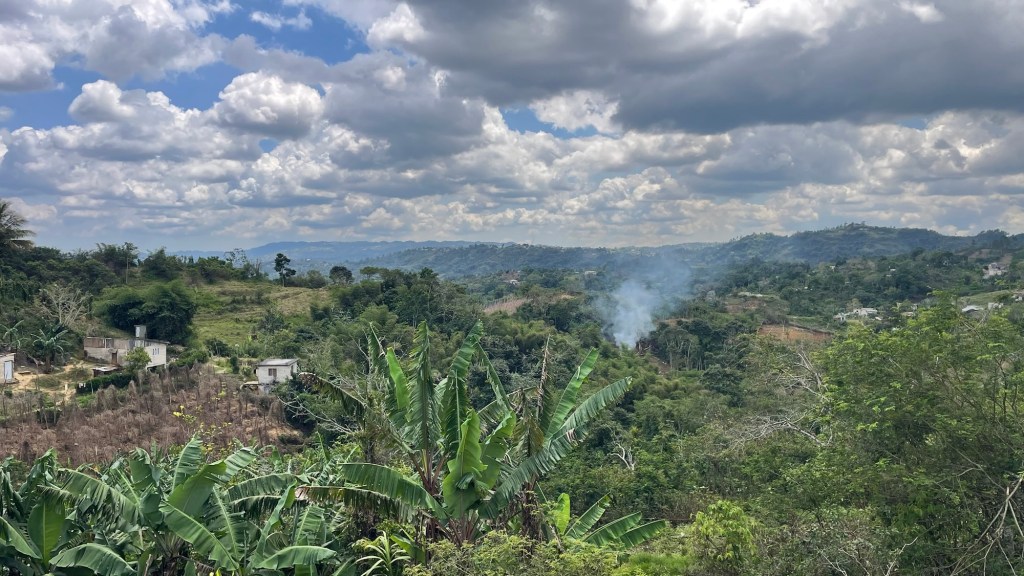
We have shared a few pictures of our 2025 visit to the island below. There are so many different stunningly beautiful landscapes to enjoy, from sandy beaches of the north coast to the green hills of Trelawny and lush tropical scenery of Portland, there is a place where everyone can relax and enjoy.

Walk Good

Australia

Australia is a country located in the Southern Pacific Ocean, it is a large island and also the smallest continent. Most Australians live along its coasts and much of the interior consists of flat arid and uninhabitable lands. The island is famous for its wines,beaches, food, impressive harbors and surfing. 

Sydney

Located in New South Wales, it is the most populous city in Australia.

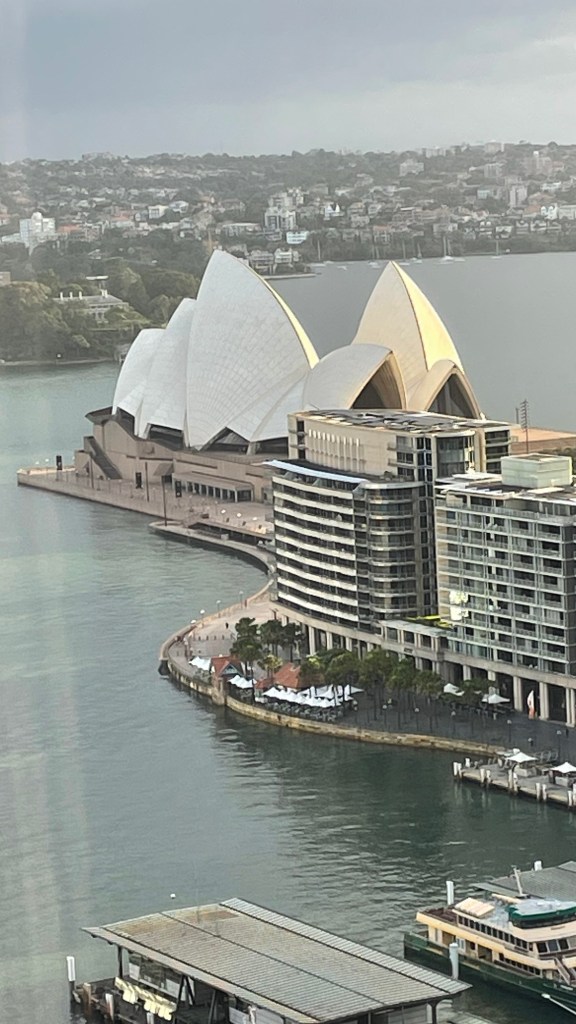
The Sydney Opera house with its impressive sails is a skyline gem. It was designated a world heritage site in 2007. Designed by Danish architect Jorn Utzon, it’s construction was fraught with delays and costs overrun.

Despite this, the structure has become so iconic and is a source of great pride for Sidney and Australia. We attended a modern interpretation performance of Mozart’s Magic Flute and we were speechless inside the opera house. Like the outside, the impressively high beams and interior architecture was a continuous surprise and joy to us. 

Sydney Opera House

Royal Botanical Gardens : is located in the heart of Sydney. Botanical gardens are a main attraction for us whenever we are in a city, and we enjoyed immensely exploring the one in Sydney. It is located near the water with several views of the opera house, the Harbor Bridge, and the surrounding harbor and is well worth a visit.

Botanical garden

Beaches are a mainstay in and around Sydney. We took time to visit the famous Bondi Beach and took a ferry to Manly beach. These two are huge beaches, with boutique shops, restaurants, and cafes. You can easily sit back and enjoy the energy of this eclectic city or don your bathing suit for a dip in the water. Be aware that the surf on both beaches can be strong and unpredictable. Stay vigilant and mindful of guidance from the lifeguards and sound systems broadcasts and warnings!

Bondi Beach

Fish Market: we walked from our hotel along the sea walk, the maritime museum and across Darling harbor to the Sydney fish market. I would say it is not only for buying seafood but also a cultural landmark in this city. The market has two main sections—-one for seafood and another for fruits and vegetables. In the former, we witnessed the heart and soul of the fishing industry. There was every imaginable type of fresh seafoods from the popular stone crabs to lobsters, mussels, oysters, scallops and much more. We were allowed to chose our meal, get photos holding it and wait about 45mins for it to be cooked. We sat in the lovely summer sun on the patio of the market to enjoy our meal as the birds fed on the scraps and leftovers from diners.

Fish market

Melbourne

 Located in Victoria and the second largest city in Australia, on the banks of the Yarra River and popular for its architecture, finance, fashion and culture.

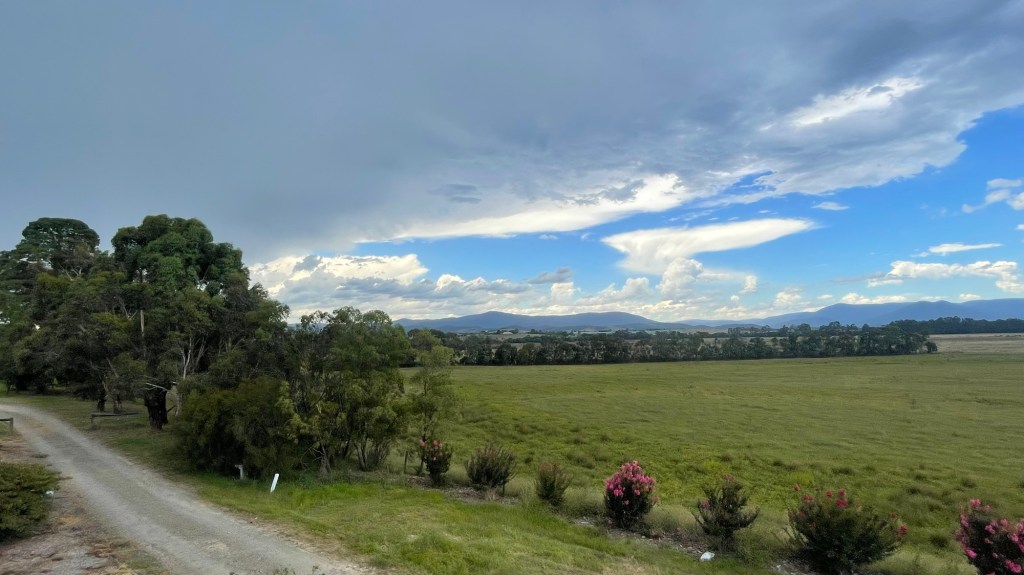
Wine tour: we rented a car and set out on a wine tour in the famous Yarra Valley. We had lunch and a tasting at Yering Station winery then drove another 10 minutes to a small family winery. We saw two rolling clouds that brought rain and lightning.

Yarra Valley
Yering Station

Our city tour of Melbourne was brief but we enjoyed the Thai food we had along the Yarra river walk. We mostly indulged in the towering structures of bridges and buildings with the unusual and interesting architecture. One thing that made a huge impression on us were the vertical plaques across one of the bridges that gave a good introduction to the various immigrants that came to Australia and how they brough their unique skills to build upon what they encountered. I encourage you to visit this place as it highlights the variety of peoples who make up Australia and emphasize that they all brought skills and talent that contributes to the building of the current society.

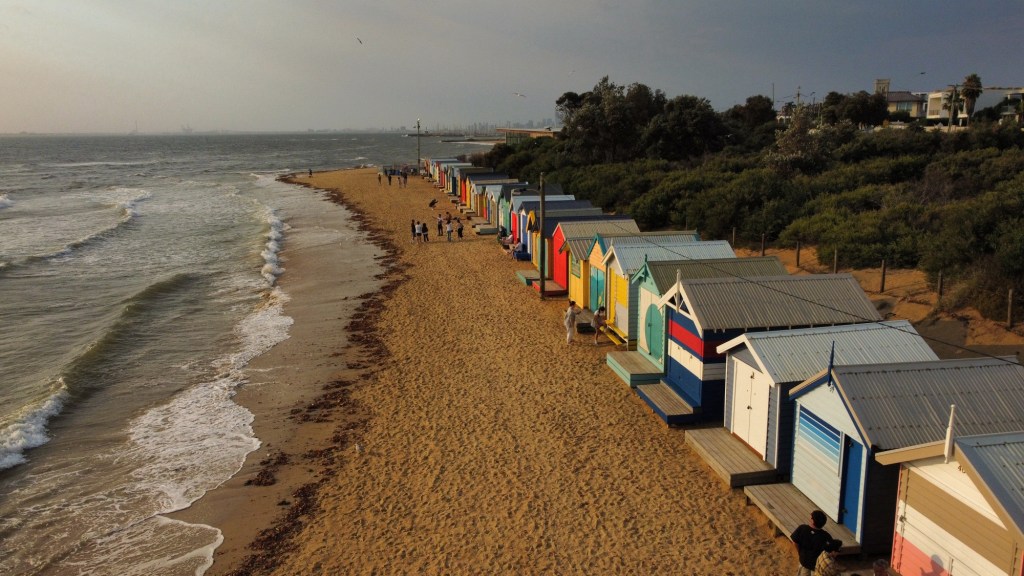
Melbourne Beach

Melbourne

New Zealand (NZ)

The islands are located in the Southern Pacific Ocean and east of Australia, and south of the islands of New Caledonia and Fiji. It consists of two major land masses (North and South islands). NZ is a developed country famous for its rich and sustainable agriculture, emphasis on a green society and its volcanic eruptions, geothermal pools, glaciers, wines, milk and lamb.

The north island visit in New Zealand (NZ) is highly recommended. There is so much to see and experience there. Starting with the bustling metropolis of Auckland, NZ is a picturesque place with interesting mountains, geothermal pools, glow caves and the renowned Hobbit village from the film Lord of the Rings.

North Island 

Auckland

Like any city you will find that Auckland is a bustle of tourists and locals going about their affairs. Visit the sea walk and the botanical gardens for a tidbit of the food and flavors of Auckland.

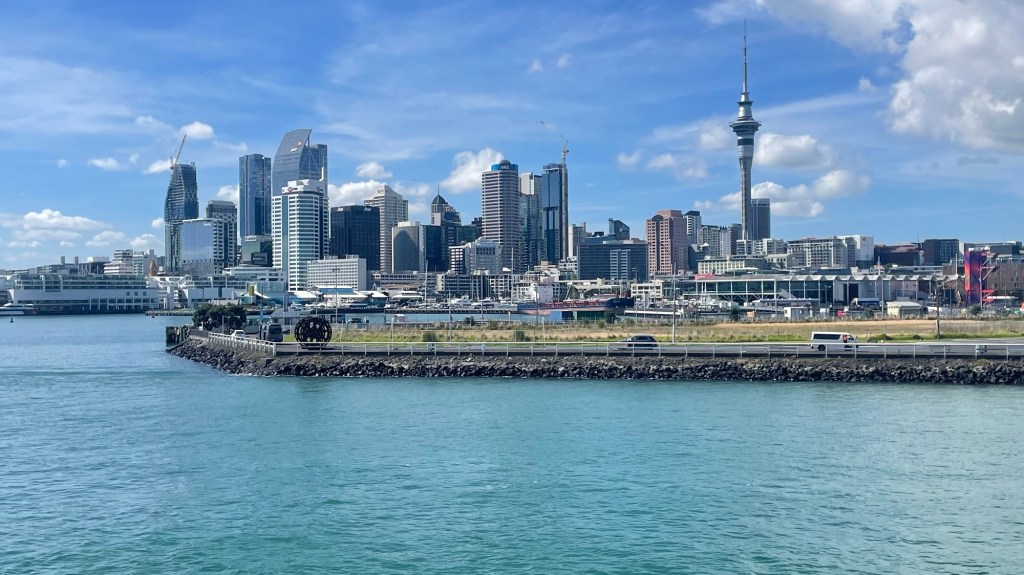
Auckland skyline

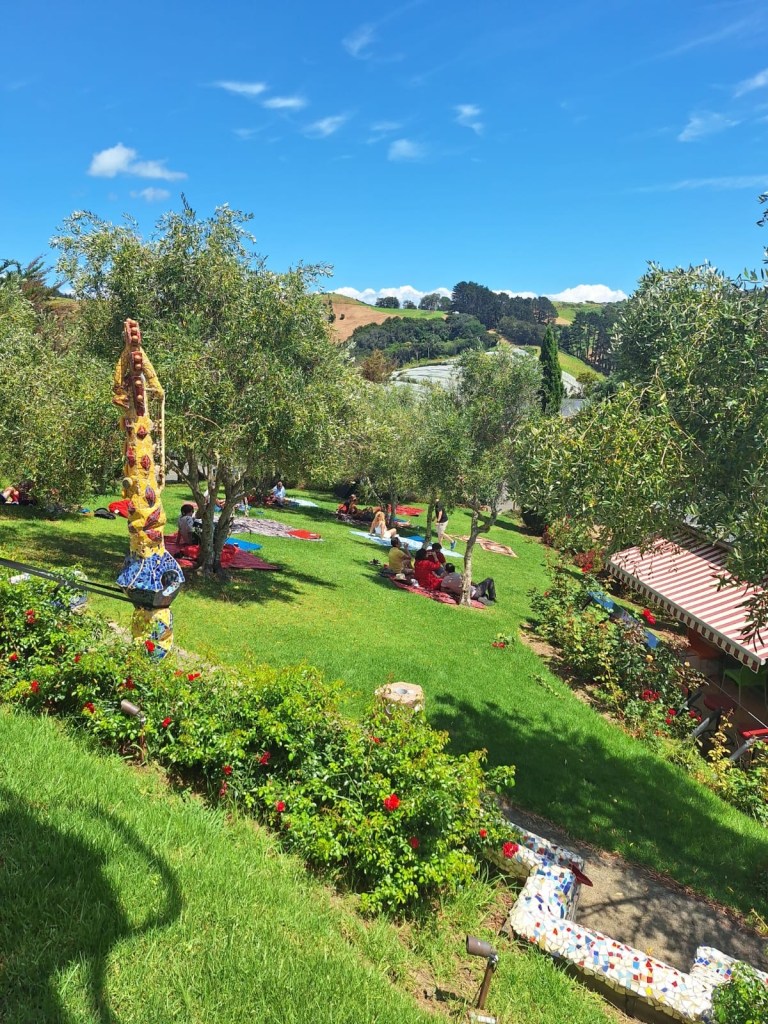
About an hour ferry ride from the city you can visit amazing wineries on Waiheke island. Several famous wineries are located on the island. The Casita Miro  is a Spainish-inspired  winery where you can enjoy the Miro-inspired art of the owner while you sip delicious wines….and enjoy the magnificent views of the Pacific Ocean. It is also possible to walk or bike to other nearby wineries.

Casita Miro garden

Hamilton

About 2 hours’ drive south, is the quiet town of Hamilton where you can watch the boat races and drive to the famous Waitomo, where you can visit limestone caves. As you explore the caves, the guide will show the stalagmite and stalactite formations, test the acoustics in the inner chamber.  you will hop on a boat to experience the amazing glowworms on the ceilings and walls of the underground river.

Rotorua and Taupo

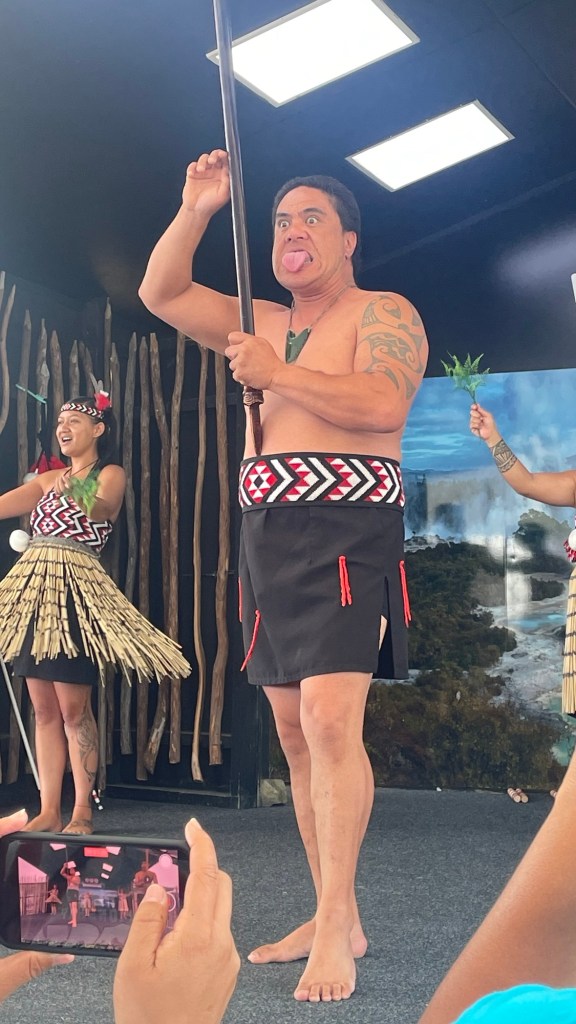
Maori culture is very strong and evident in these two towns. We visited a Maori Village near our hotel in Rotorua. We had one of the most invigorating hot pool experience in the- Hells Gates  mud bath and spa. We were allowed only 20 minutes to lather our bodies in sulfur drenched mud, dry for a few minutes and then soak in the pools. You can spend much longer in the pools however. We took a guided tour of the village, ate corn cooked in the steaming hot waters of the geothermal springs, watched the geyser and strolled through the cemetery where graves are constructed above ground so that the bodies are not cooking in steam.

Hells gate
Maori performance

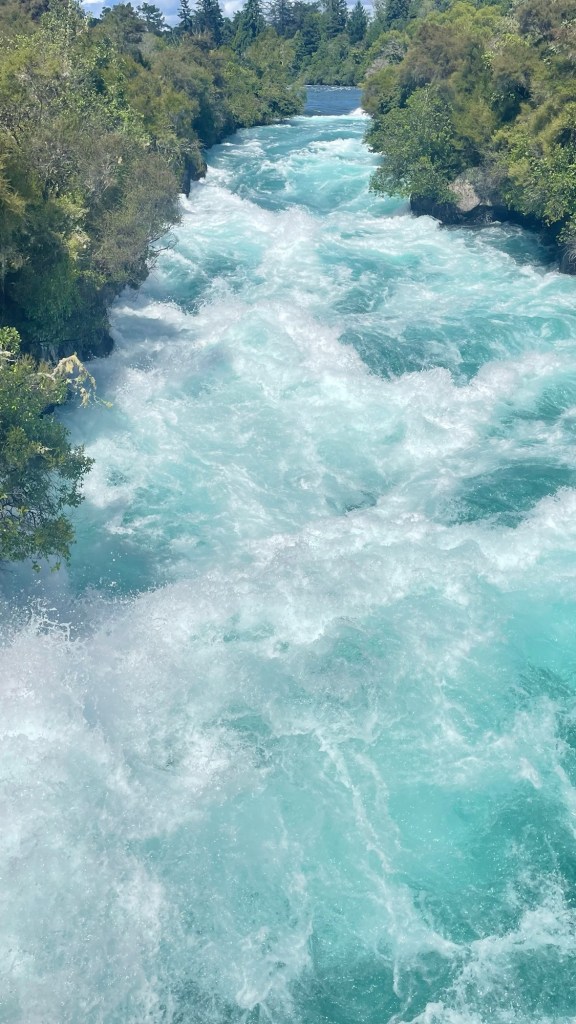
In Taupo, the geothermal springs, contain different minerals than in Taupo but they are as relaxing and enjoyable. The Huka Falls that emanates from the abundant amount of water from the Waikato River is a place one should not miss. This falls is unlike any other, we have seen, Its low in height but the millions of gallons of water cuts through a natural narrow gorge which amplifies the thunderous movement of the water. There are trails along the river for both cyclists and hikers alike.

Huka falls

Wellington: The capital of NZ and a port city on the south end of the north island. The city is a destination for cruise ships and where you can take the interisland ferry to the South Island.

You can enjoy exploring the cafes, bars and restaurants in this city. We tried Deluxe Cafe and we were surprised at the good quality of the coffee. We had the most delicious seafood and crab meal in the waterfrontCrabshack restaurant in Wellington.

South Island

Marlbourough Valley

On our drive from Picton ferry we stopped in the Malbourough valley—-the famous wine region, for lunch.  The Cozy Cow restaurant did not disappoint; we had a great lunch and tasted a few wines from this vineyard. The Marlborough region has some of the largest wineries because of the soil and climate. The Sauvignon Blanc and Pinot Noir are famous grapes from the region.

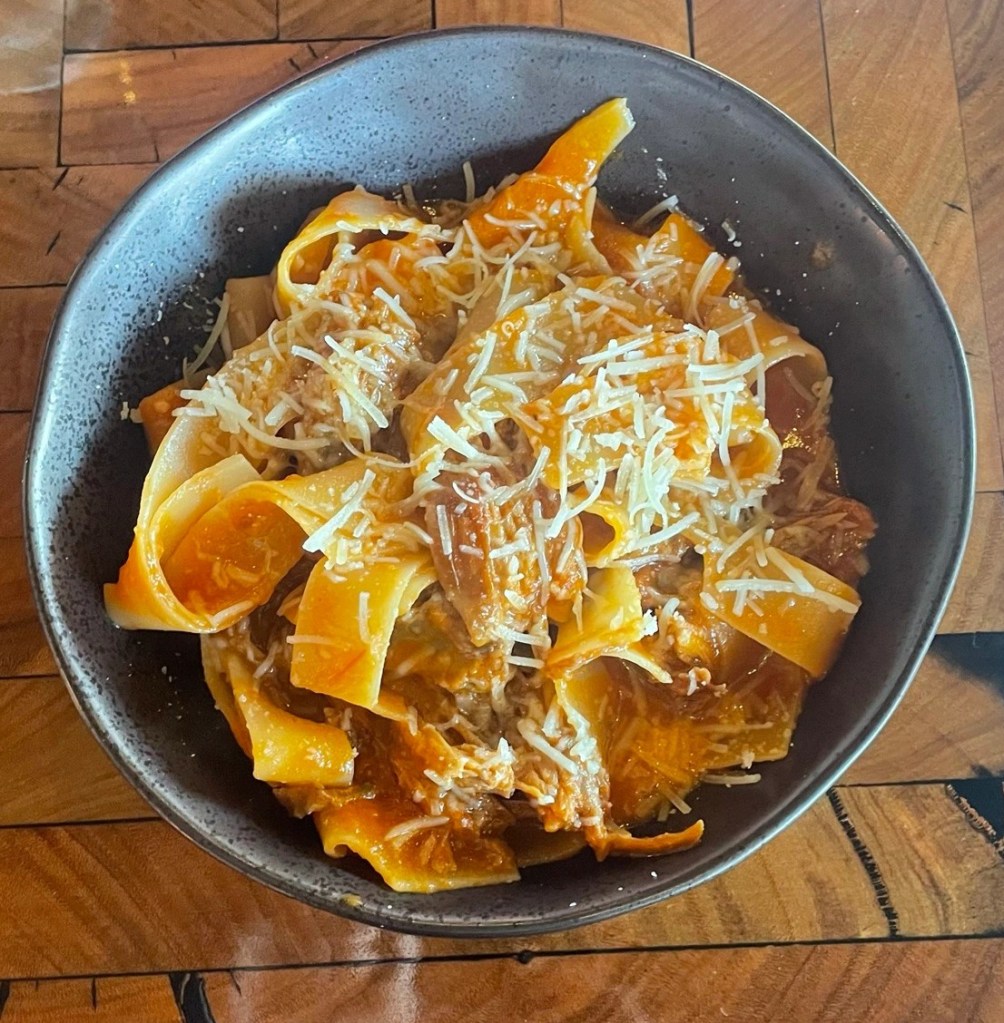
Italian food at Cozy Cow
Marlborough valley

Lake Tekapo

On the way to Queestown, we stopped at Lake Tekapo, a beautiful lake surrounded by mountains, with an observatory and a great coffee shop.

Enjoy your morning coffee

Queenstown

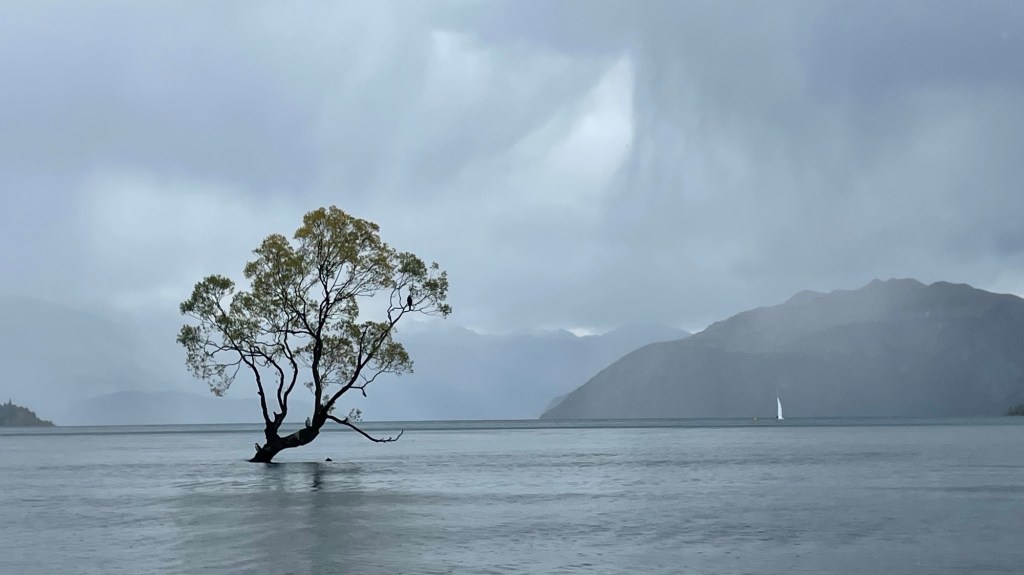
Located on the shores of lake Wakatipu and surrounded by beautiful mountains. It is a hub of adventure and fun outdoor activities such as trout fishing, scenic tours, trails and much more. We spend the night at a lakeside cabin on lake Wakatipu. It was unforgettable—-amazingly clear skies and peaceful. In the morning we visited the Instagram famous “ thatwanakatree” to also take some pictures for this site. In Queenstown , we hopped onto the floating bar for a drink, listen to the music and soaked in the atmosphere. We had one of the best gelato and indulge in several bars of chocolates at Patagonia —- a lakeside ice-cream and cholate shop. 

#ThatWanakatree

Lavender Farm: We visited the botanical gardens, and  a lavender farm and gardens. We were totally  taken aback  by the immensity of the plants, flowers and blooms. Everything was large and beautiful. Below are a few pictures of what we saw.

Lavender fields near Wanaka

Doubtful Sound

One of the most unforgettable experience we had in NZ was our overnight cruise in Doubtful Sound.  We  drove from Te Anau to Manapouri where we boarded a boat that took us across the lake. Our pilot gave us a brief history lesson of Lake Manapouri including the construction of the hydroelectric station. We were then picked up by a coach whose driver provided us a narrated history of the Fiordlands  and Doubtful Sound while we drove over the Wilmot Pass.

It was a rainy and cloudy day, as we boarded the Fiordland Navigator. We went through hidden waterways, saw numerous waterfalls and bottlenose dolphins. As the evening came, we dropped anchor in a quite cove for the night. Before dinner, we were invited by the captain and crew to explore the shoreline in Kayaks, boat or remain onboard the ship—-Some people even went for a swim in the frigid water. After a restful night, we had breakfast and cruise back to port in Manapouri.  

One of the many waterfalls in the sound
Kayaking in the fjord
Waterfalls, majestic

Oamaru

Oamaru is a beautiful town surrounded by mountains and ocean. It is famous for penguins and whale watching in NZ. We visited the blue penguin encounter center, which was a short walk from our hotel. They have an interactive exhibits with information about the blue penguins and outdoor courtyard seating overlooking the ocean. The seats are strategically orientated to observe the blue penguins up close as they ascend the slope each evening. The blue penguins are very small animals and maybe the smallest of all the penguins. They swim ashore in a blob of bodies, then waddle up the slope to their respective burrows. As we walked home we could see several ambling alongside the road as the excited tourists snapped pictures and video.

Christchurch

Our last stop in the South island was Christchurch the gateway city to Antartica, that host and support people and equipment for several countries. The city has a very popular botanical garden, with an expansive collection of roses, dahlias, and tropical plants.

Dahlias at the botanical garden, Christchurch

Christchurch is surrounded by mountains, has accessible beaches and is well connected to Australia by air. It is an enjoyable place, with many things to do and see, whether you like the outdoor or the city life.

From Caviahue to Bariloche

After the delightful days in Caviahue, it was time to get back on the road. We had a good drive ahead to San Martin de Los Andes, and then to Bariloche.

Leaving Caviahue, we backtracked all the way back to Route 40, then headed south. The drive to San Martin de Los Andes was uneventful, the road in good conditions. It was cloudy and we could not see Volcan Lanin, what a shame!

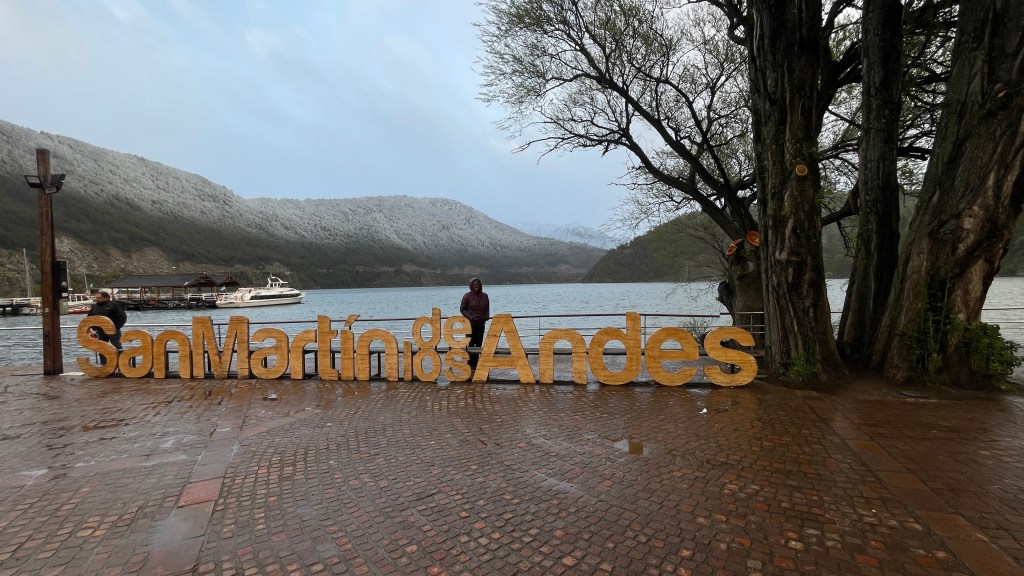
We arrived in San Martin de Los Andes, found our accommodations, got some food ( thanks PedidosYa!), and rested. Then we noticed snow blowing and the skies darkening. It was a storm that lasted for 2 days, delaying our departure to Bariloche. Road conditions in the spring change rapidly, and it is best to stay safe.

Sudden snow

San Martín de Los Andes is a town in Neuquen, by the shores of Lake Lacar. Nearby there is a sky resort (Chapelco). The town is quite beautiful, lively and with plenty of shopping and food opportunities. It is the gateway to the ‘Ruta de los 7 Lagos’ and the Nahuel Huapi national park.

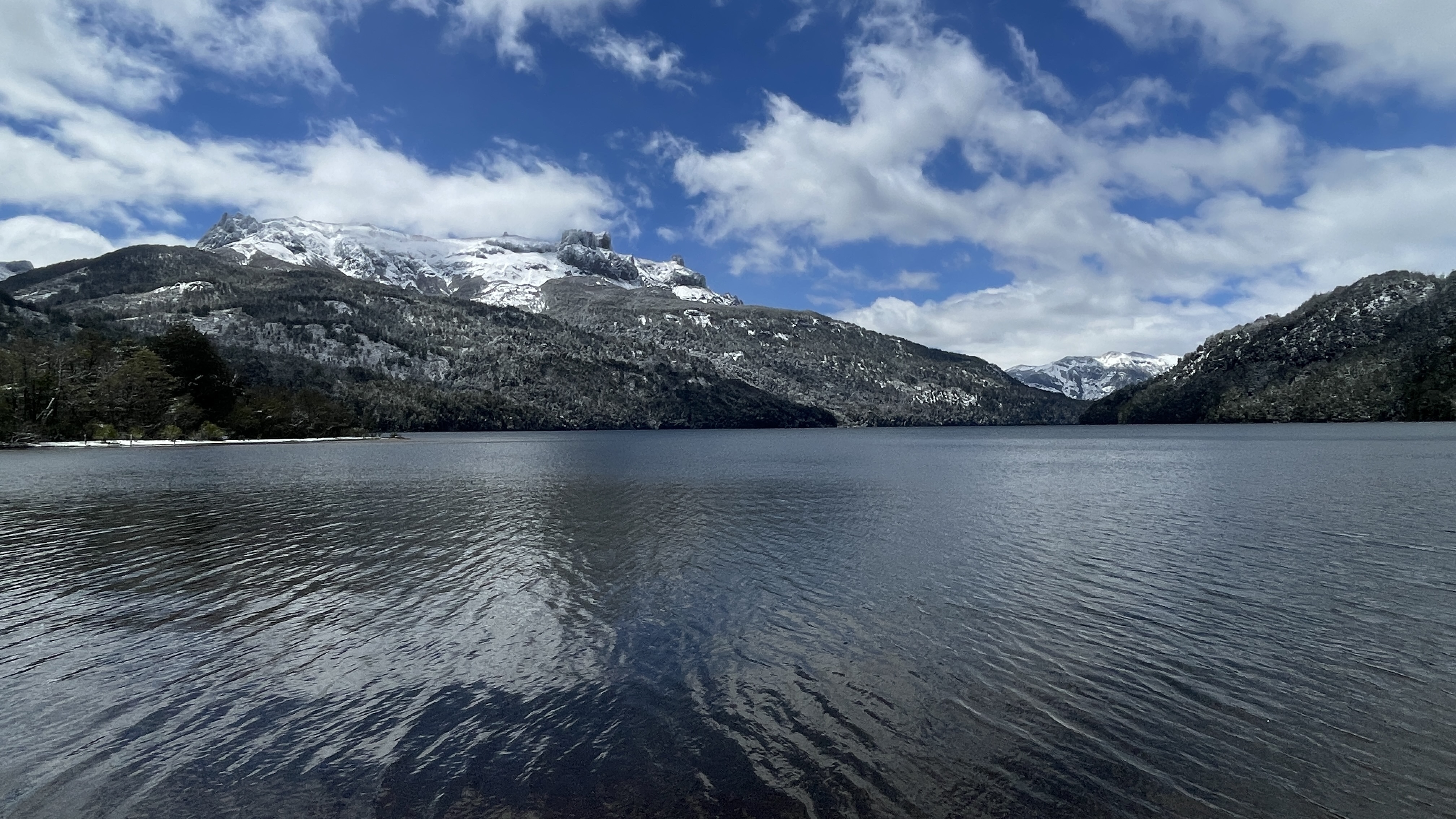
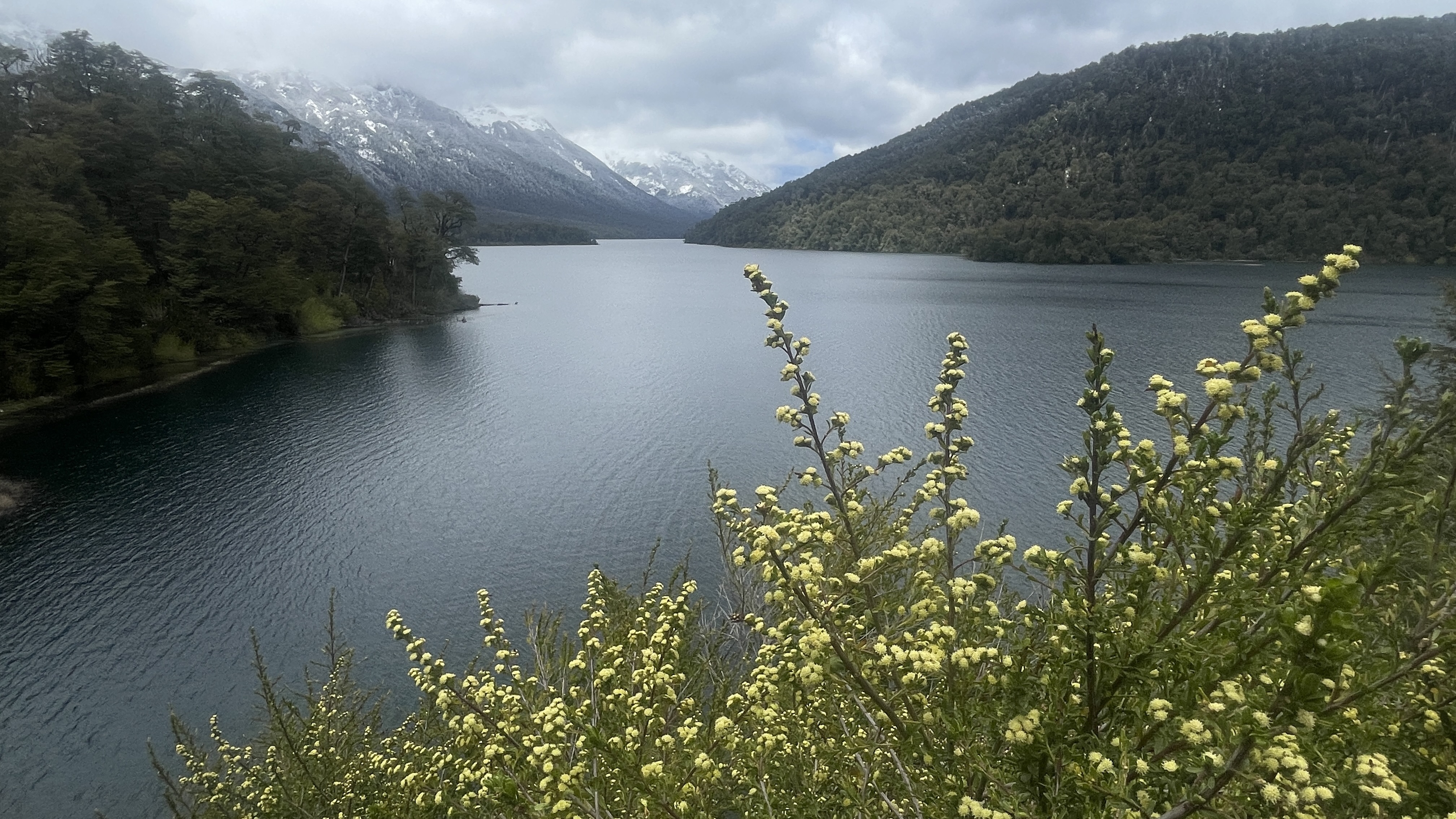
The ‘7 Lagos ( 7 lakes)’ is a scenic road that starts in San Martin de Los Andes. There are lookout points everywhere, plenty of traffic and sometimes animals on the road. Caution is advised.

The first town we reached is Villa La Angostura, which sits at the shores of Lake Nahuel Huapi. This lake is huge, an Bariloche also sits by the same lake. Massive bodies of water.

La Angostura is a charming town, great for a pit stop and gift shopping. The road was excellent, so we continued to our destination, Bariloche.

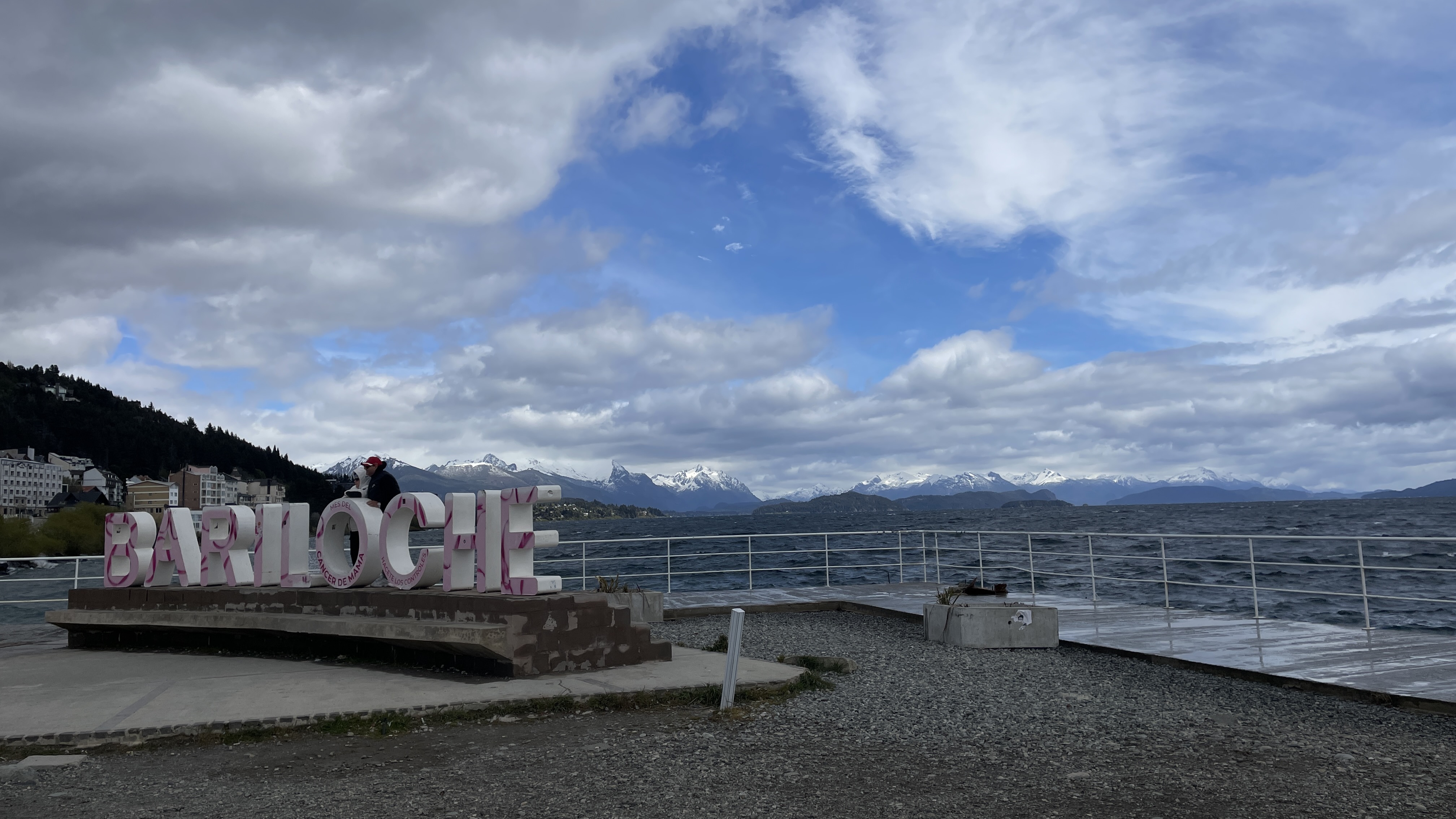
Bariloche for many is the gateway to Patagonia, well served by flights from Buenos Aires. It is a town that has grown significantly due to the tourism industry. The town spreads along the slopes by the lake, so it is quite hilly. During our time in Bariloche it was quite windy, so we stayed in town and did not get a chance to partake on some of the wonderful hikes around.

Tips:

  1. Monitor the weather forecast and road conditions. Snow and wind combined can make for hazardous road conditions.
  2. Visit the Rapa Nui store in Bariloche. It has great chocolate, ice cream and even an indoor skating rink! The hot chocolate is superb.
  3. Be prepared for changing weather, and have fun.

Walk good,

Alex

Discovering Caviahue

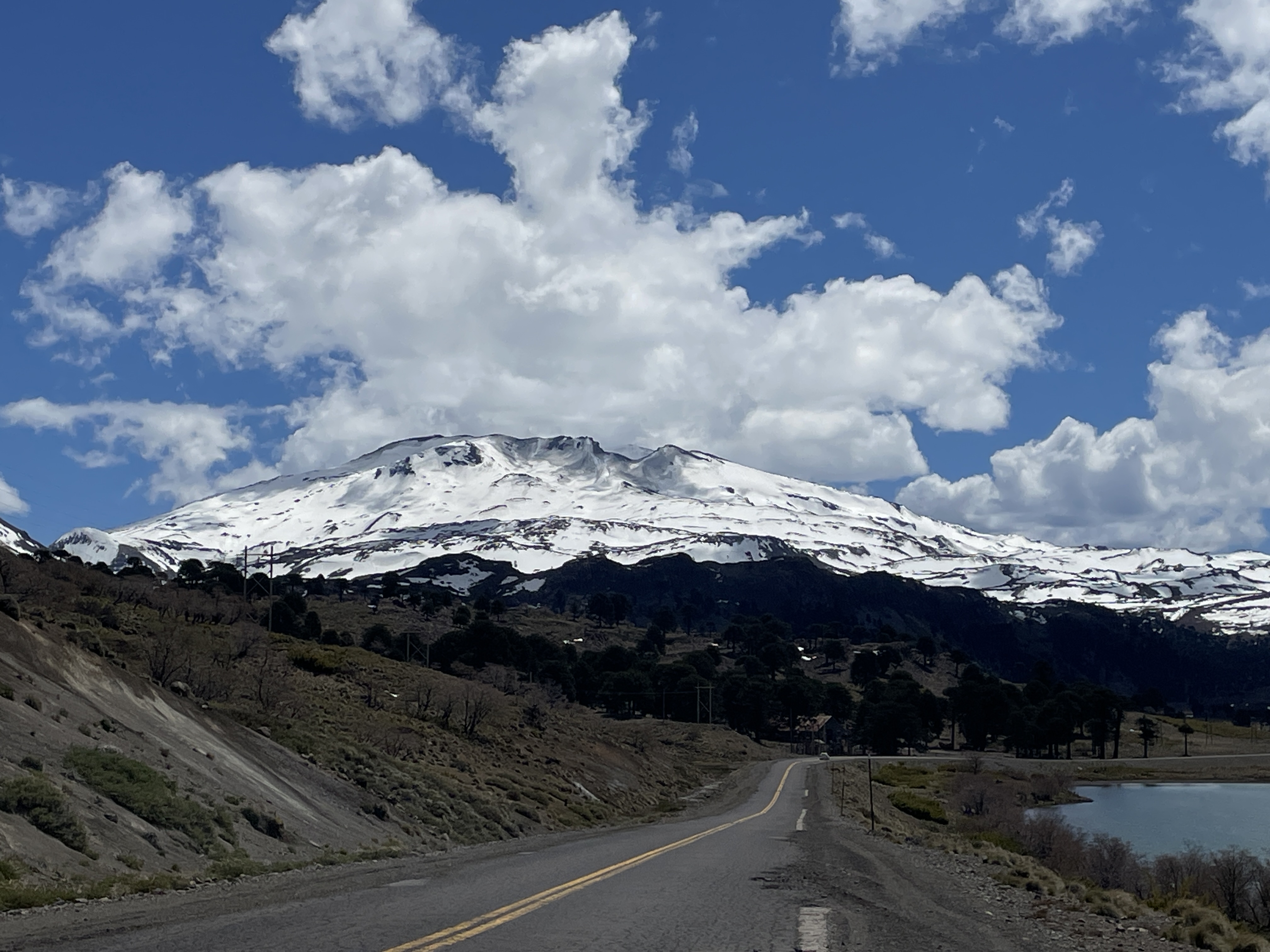
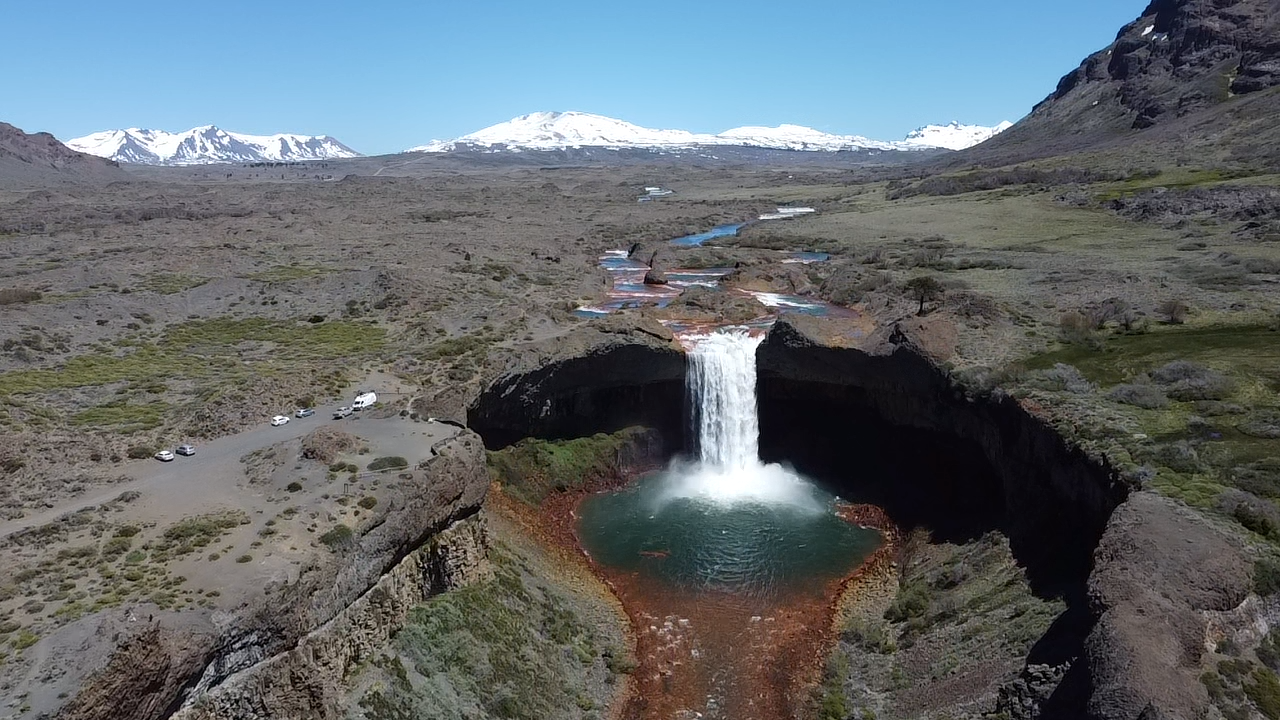
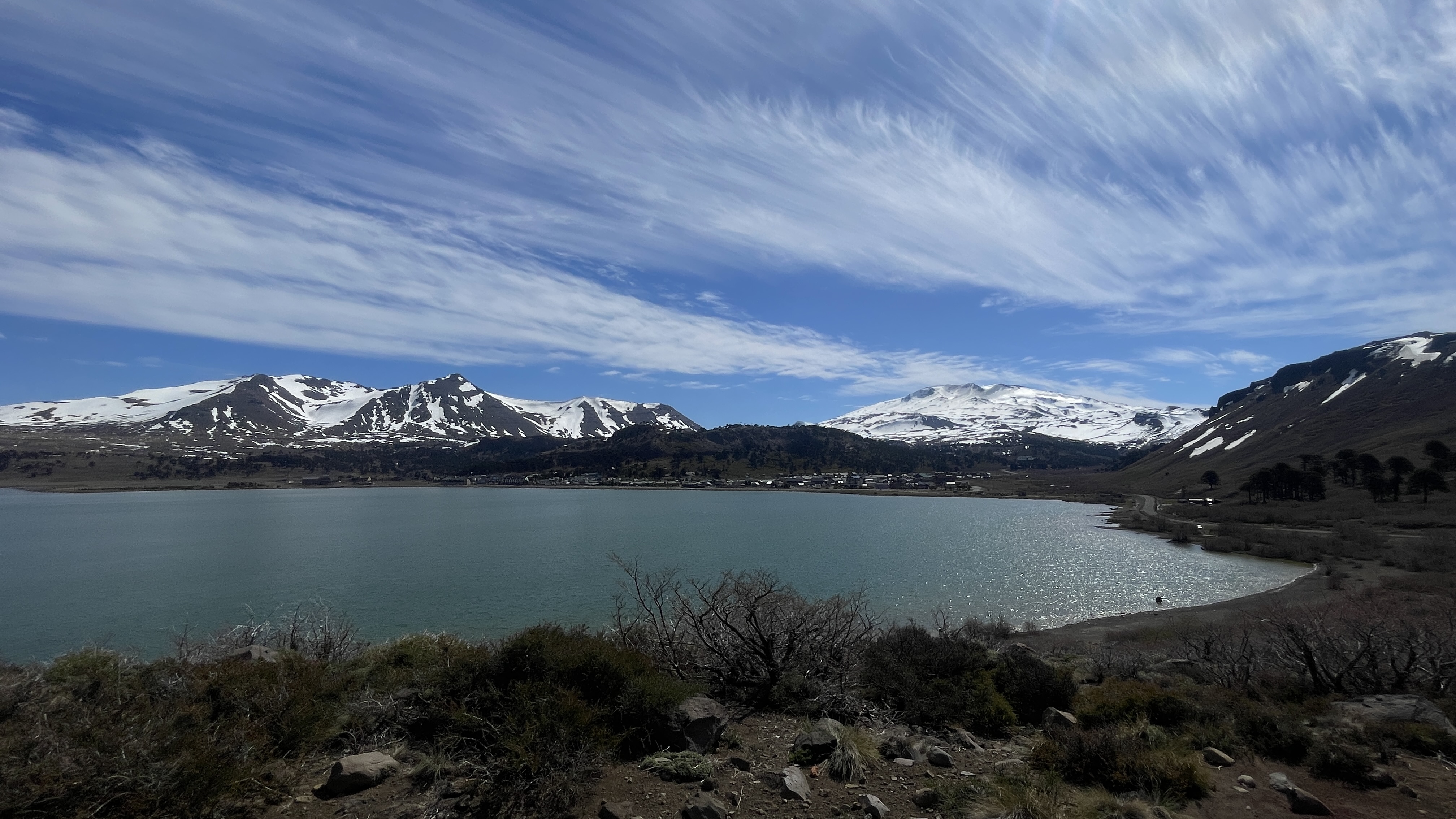
We started the day with perfect weather in Caviahue. Our first destination, the Salto del Agrio waterfall. It was an amazing sight and exceeded our expectations. The landscape was magical, it was hard to leave. Framed by snow-capped mountains and watched over by a lonely auracaria (pehuén) tree, the waterfall is majestic.

Copahue Volcano

Agrio river waterfall

Agrio river waterfall

Agrio river waterfall

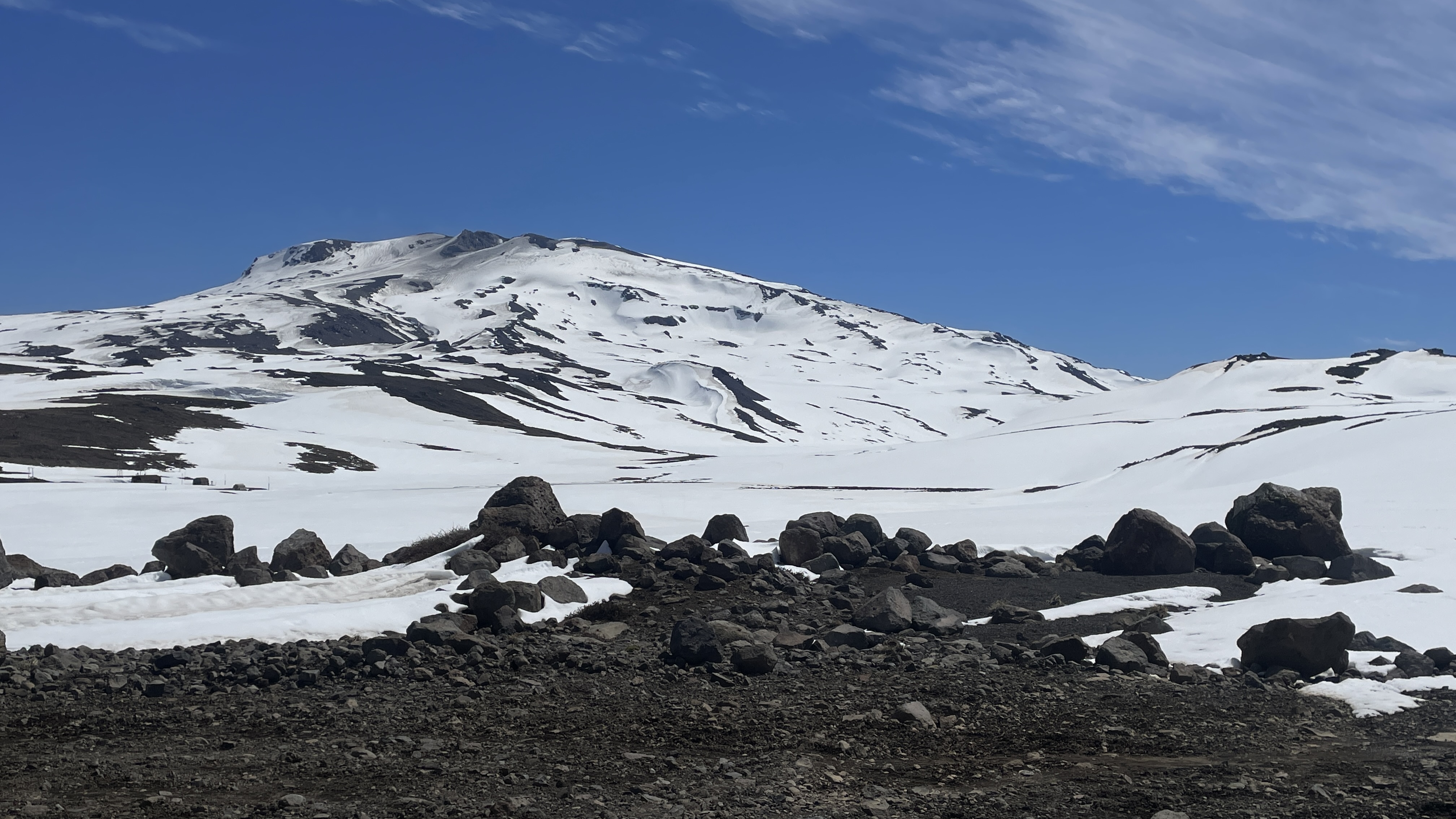
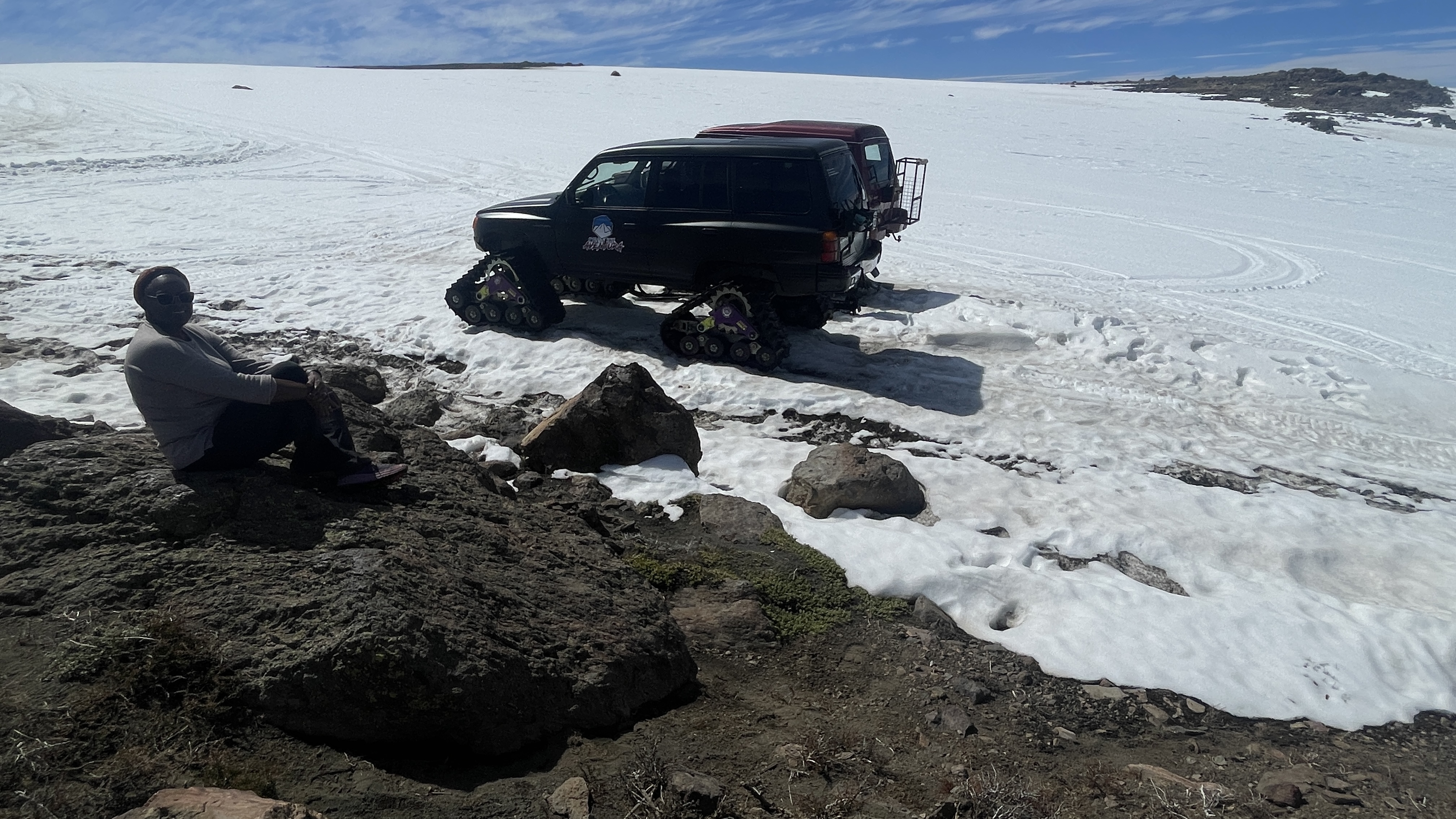
We left the waterfall, and drove towards Copahue. The road is opened to Las Máquinas, where we walked among pools of boiling mud and steam vents spewing pungent sulfur smell, surrounded by snow. Caviahue evokes a sense of adventure, with so much to see and do.

Copahue Volcano

Snow-ready trucks

Snowmobile

Snowmobile and friends

Lake Caviahue

Driving south:El Salto to Malargüe

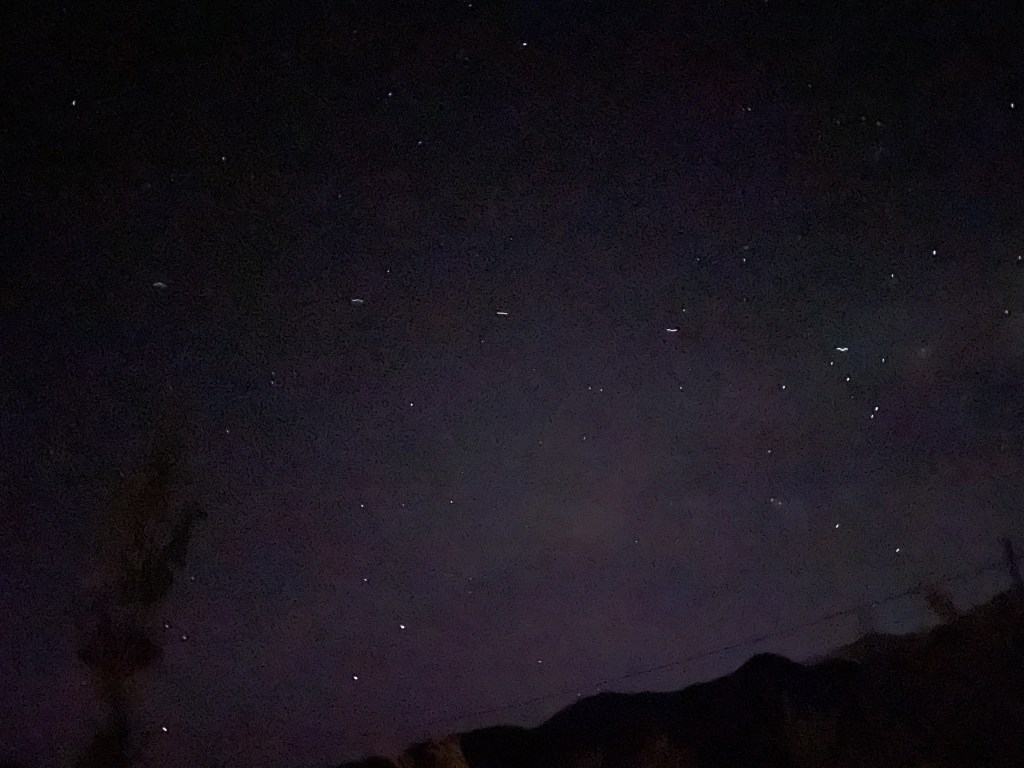
Driving away from El Salto was difficult. Its that place in the Andes, where families come out in droves on a beautiful spring day, they gather some river stones to protect the fire for the asado as they serve red wines from the backs of their pickups. When the sun sets and darkness rolls in they drink their mate and watch the stars shine brightly and the many satellites stream across the night sky.

Satellite formation, El Salto

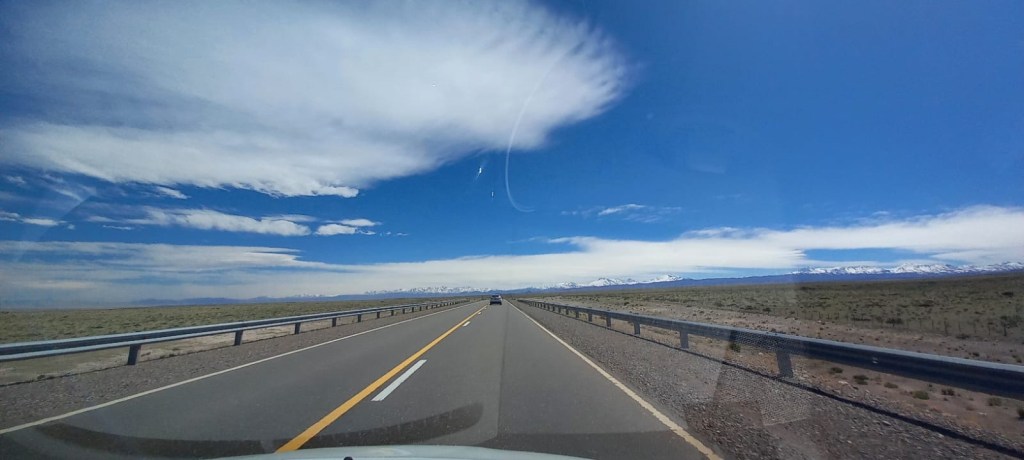
We are driving down route 40, and the southern spines of the Andes. Big sky country, four and a half hours to Malargüe, a touristic town known for its historic dinosaur finds. The road is endless and with wide open views of the snow-capped Andes mountains. The range seems to end, yet every turn on the road , new mountains appear. We passed huge fields of garlic, grazing cows and sheep and arrived at our hotel with a front yard filled with sheep.

Open skies
The Andes with fields of garlic in the foreground
Happy sheep

Jujuy: getting closer to the sky

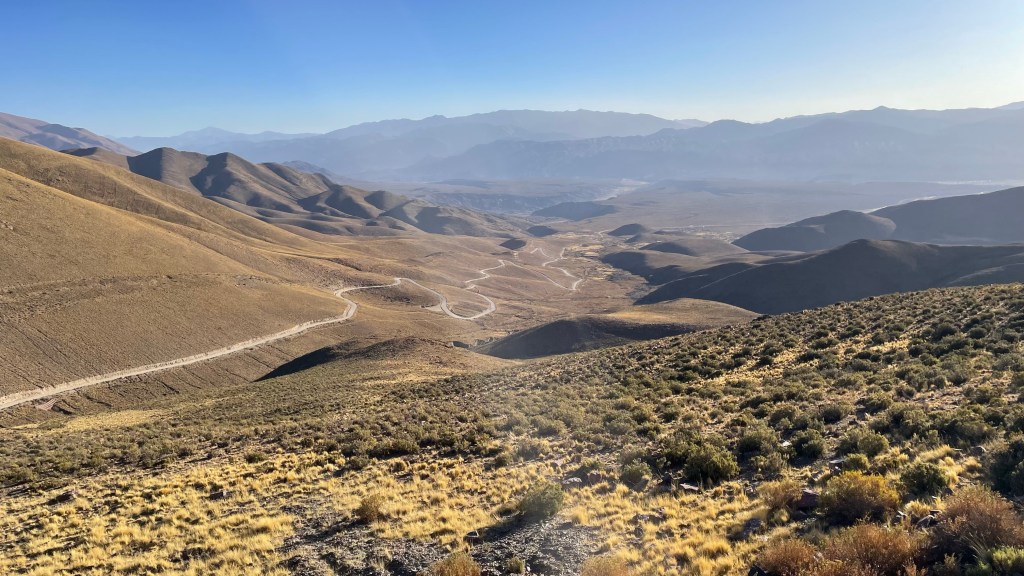
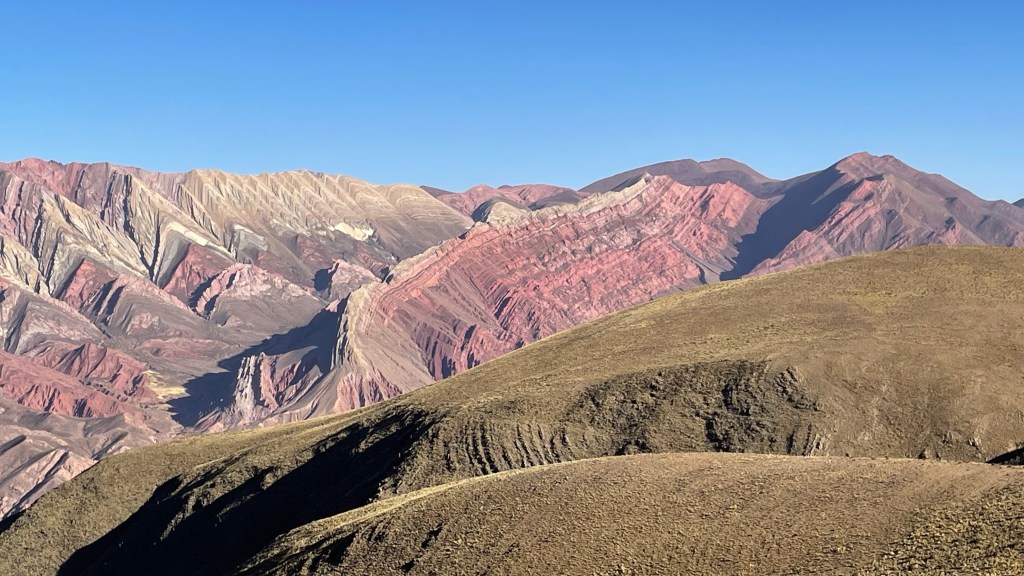
Jujuy is a northwest Argentina province with remarkable landscapes. On this trip, We followed Route 9 headed toward Purmamarca and the Mirador de Hornocal, also known as ‘the mountain of 14 colors’. To get there, we negotiated a 25 km stretch of gravel road past Humahuaca. This road reaches Hornocal and, continues to other settlements deep in the hills.

When we finally arrived at Hornocal, we were at 4350 meters above sea level, 14271 feet. You could immediately feel the effects of altitude as the short walk to the lookout point was strained, a combination of altitude and cold winds. Notwithstanding, It was an unforgettable experience. The presence of nature in its overwhelming magnificence was difficult to ignore.

We continued our journey into Purmamarca, a small town situated off Route 52, which reaches all the way to the Chilean border. Purmamarca sits right next to very colorful hills, and hosts many tourists from all over the country and the world. The market around the main square bustles every day as the tour buses comes through. The town is the gateway to other parts of the Altiplano, like the Salinas Grandes.

Driving from Purmamarca to the Salinas Grandes was an exiting day trip. The road is in great condition, the landscapes change constantly, and you get the feeling you are entering a very special area. There are villages at the edge of the Salinas, and the people help guide your visit unto the Salinas.

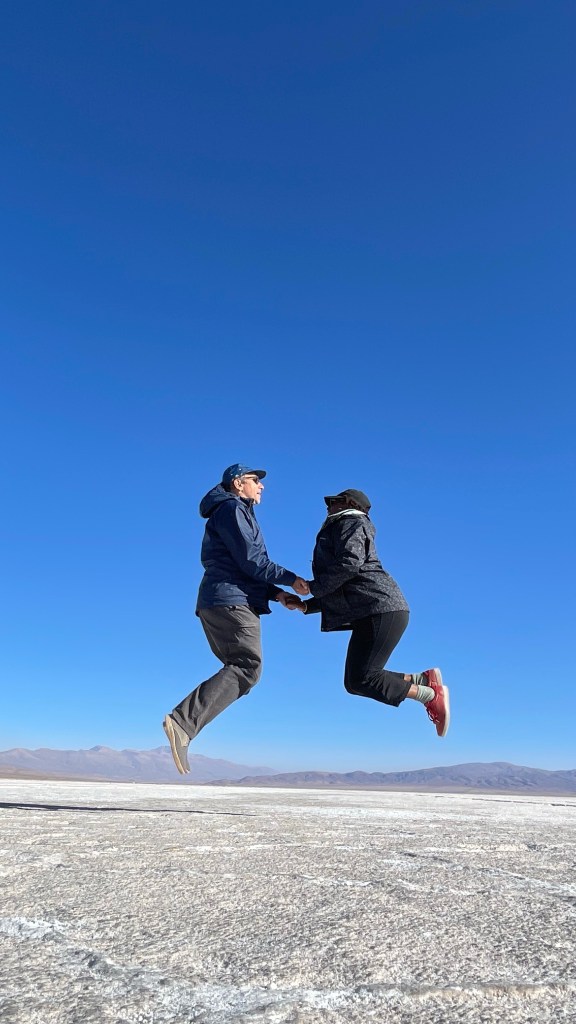
The clear skies and bright white salt provide a contrast that is unique and exciting to experience. To see salt blocks being used for construction was unexpected. A major trade road crosses the salt flats and connects to the Pacific port of Antofagasta in Chile and on to Paraguay and Brazil. The large trucks that traverse this region provide a small glimpse into the complexities of moving goods between countries.

TIPS

  1. Visit Juan Chani at El Meson in Purmamarca. You will have a great meal in a welcoming space.
  2. Mirador de Hornocal closes at 6pm. Plan your trip accordingly. The road is best driven with daylight.
  3. You will need a guide to enter Salinas Grandes. They are knowledgeable and happy to take your pictures. Cost of entry is $1500 argentine pesos per car ( September 2022). Well worth it!.
  4. Route 52 is in great shape. A true joy to drive it at sunset. Until next time.

Walk good

The week of the miracle in Salta

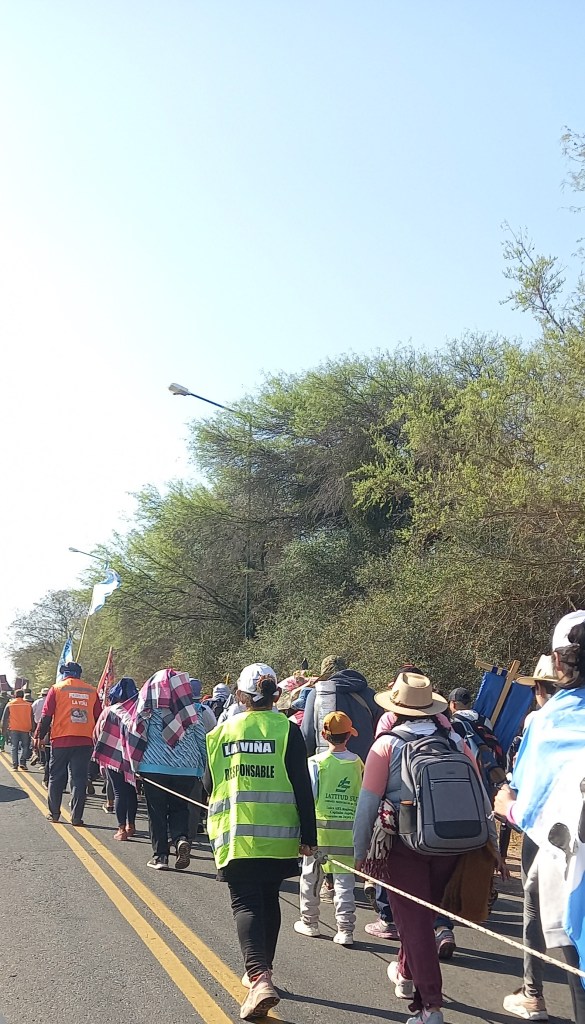
Leaving Cafayate and heading to Purmamarca in Jujuy, we came upon a large number of people heading towards Salta. People were walking and riding bicycles, in large groups from as far as 400 km from Salta.

We understood the people started walking from September 1, to arrive in Salta on September 15 for the ‘Señor y Virgen Del Milagro’ pilgrimage. It is a well organized pilgrimage with police providing escort on the roads. Along the way people were supplying food and drink, with a spirit pungent with faith and community. We came across many different groups along our route, both in Route 68 and in Route 9 in the yungas, which is a twisting section of the route connecting Salta and Jujuy.

Northwest Argentina: yunga to vineyard

Salta is the land of General Martin Guemes. His statue overlooks the city from the foothills of San Bernardo, which can be reached by car, walking or cable car.

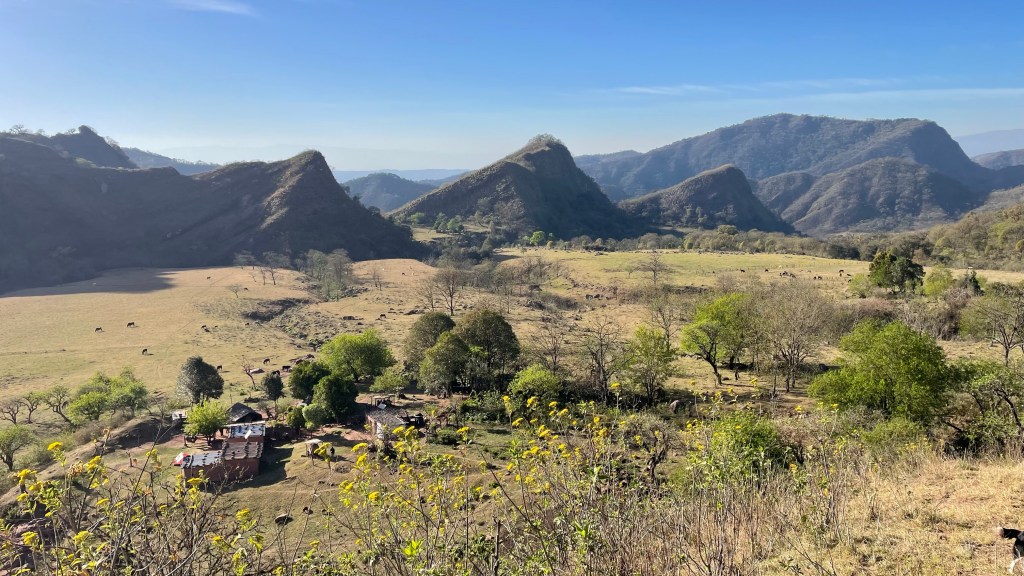
The province of Salta has a variety of landscapes, climates, and people. From the yungas (forests) to the Andes mountains, you can find several different landscapes within a few hours’ drive.

After a few days in Salta city, with its wonderful squares, churches, and lively atmosphere, we set out on a drive south to Rosario de la Frontera, a town that feels like it is at the frontier.

The main activity in the area is cattle ranching, with some grain being grown during the rainy season.

El Sunchal and La Yunga, Salta

After we met our guide, we drive for over an hour to the trailhead, where we met Ignacio, one of our hosts. Ignacio loaded our gear on a horse, and we set out on our walk.

We walked into the yunga, an amazing ecosystem with many different trees, huge ferns, and calming air. We walked for hours, following a well-worn trail that is used by the people that live in the area. These people are part of the Diaguitas tribe who settled in the area in the 1800s, seeking peace and quiet.

After 4 hours and 10 km (about 6 miles), we arrived at our destination: El Sunchal. This settlement is home to a few families, part of the Sulca family.

Our hosts, Jesus, Chacho, and Ignacio, were ready for us, with the kettle full of water, and the fire roaring. They live in a place that could be in a picture book, with streams, pasture, and open skies. It is hard to describe the peace that surrounds the place.

We hiked to a waterfall the next day, an all-day adventure that took us through different ecosystems, from forest to riverside to deep canyons.

And then, that night, the moon showed us that new weather was coming. We got hit by a massive windstorm, a hot wind called Zonda. This wind threatened to collapse our tent and gave us no respite for the whole night and the next morning. You could hear it coming like a freight train, and it will hit us and blow in the sides of the tent.

We walked out, another 10 km. Our reward was a stop at Las Termas de Rosario, a hot springs resort founded in 1880. This resort has 9 different thermal waters, giving us a unique chance to soak our tired bodies for a bit. After a mandatory blood pressure check (never had to do that before going into a hot spring), we were taken to a tiny, private bath with 5 pipes, each with a different temperature of water. Each turn is for 15 minutes of soaking, then 15 minutes of resting. I thought it would not be enough, but after 10 minutes I was melting, it was so warm and intense, totally worth it.

We set out on a 3+ hour drive to our next destination: Tafi del Valle in Tucuman. To get there, we had to drive south to the capital city of Tucuman, then headed west into Tafi.

There was a long drive into the mountains, crossing from the plains into the lush hills, turn after long turn in the dark. We saw a sea of lights, spread out in front of us.

At last, we arrived in Tafi.

Tafi Tucuman

Tafi is a small tourist town, encircled by mountains with a dam in its backyard. The air was cold and hazy after the big Zonda storm.

We followed the recommendation of Leonardo, a Brazilian travel guide we met in Salta, and went for lunch to Wasi Kusi. Adrian, the host and owner, took care of us with great food and recommendations for places to visit and stay.

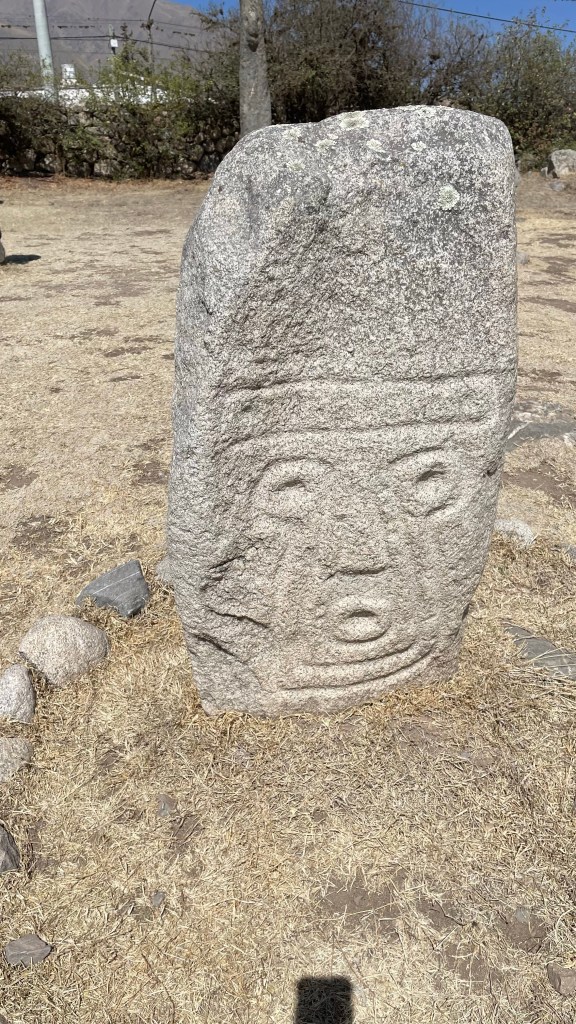
We visited the archeological site of Los Menhires in El Mollar, and the Los Alisos waterfall in El Rincon. We highly recommend a visit to both.

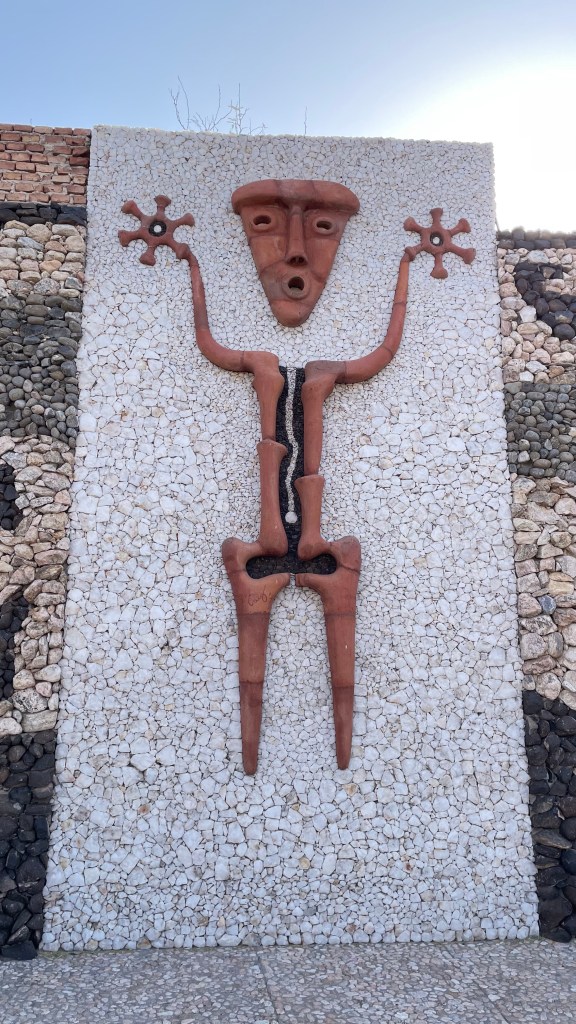
Museo Pachamama, Amaicha del Valle, Salta

Wow! This is such an unexpected find. We had to stop. It was well worth it. So many works of art by Hector Cruz with local stones and other materials highlight key elements of Pachamama, the Goddess of the Earth and related deities, Inti (Sun) and Quilla (Moon).

Cafayate, Salta

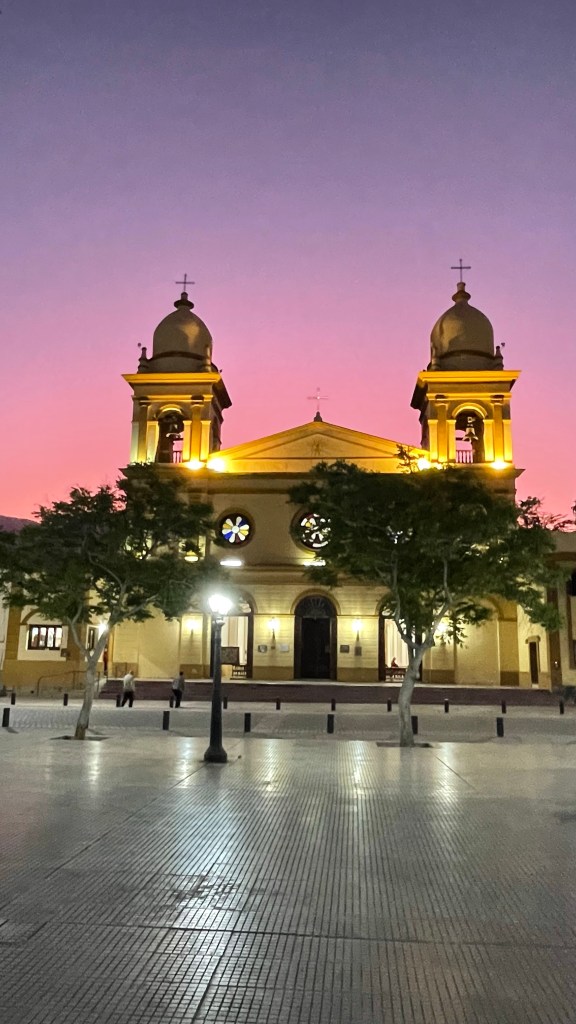
A couple hours’ drive from Amaicha del Valle, on route 40, we arrived in Cafayate, the heart of the wine country in Salta. This small town is lively, with a beautiful central square, surrounded by restaurants, bars, and an imposing church.

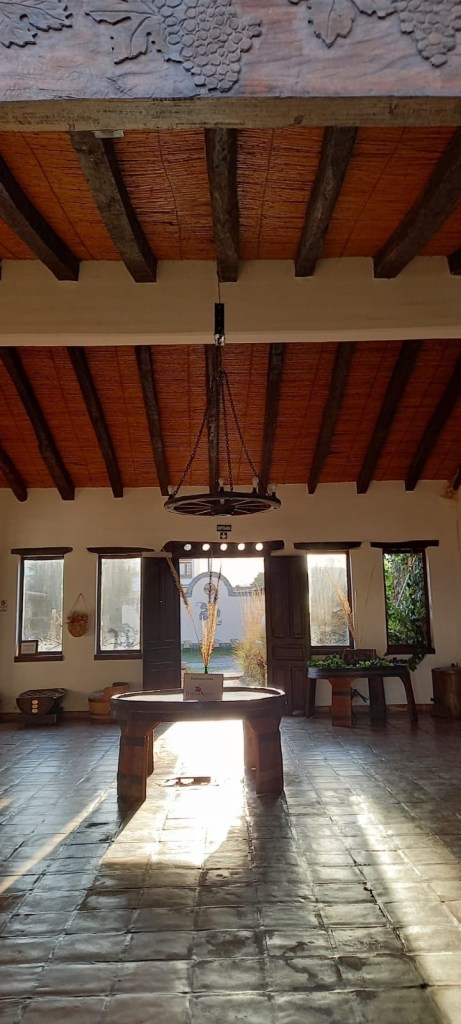
We visited a couple of wineries by walking from our excellent hotel, Portal del Santo. Damian and Cristian hosted us at Portal, and treated us like family, with a clean and warm room and a delicious breakfast.

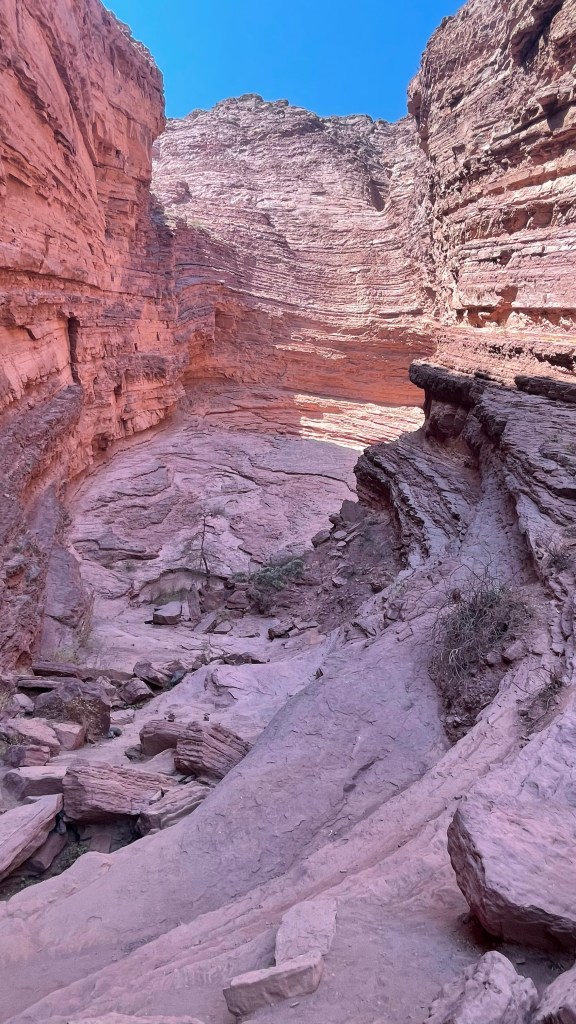
Route 68: Los Colorados, Amphiteather, and Devils’ throat

Leaving Cafayate, we took scenic Route 68 to head north. This road is a collection of landscapes, with soaring mountains, carved-out valleys, and a river that brings greens to the midst of towering mountains.

There are three stops that are a must, easy to access, and well worth it.

Los Colorados

Amphiteater

Devil’s Throat

Walk good.